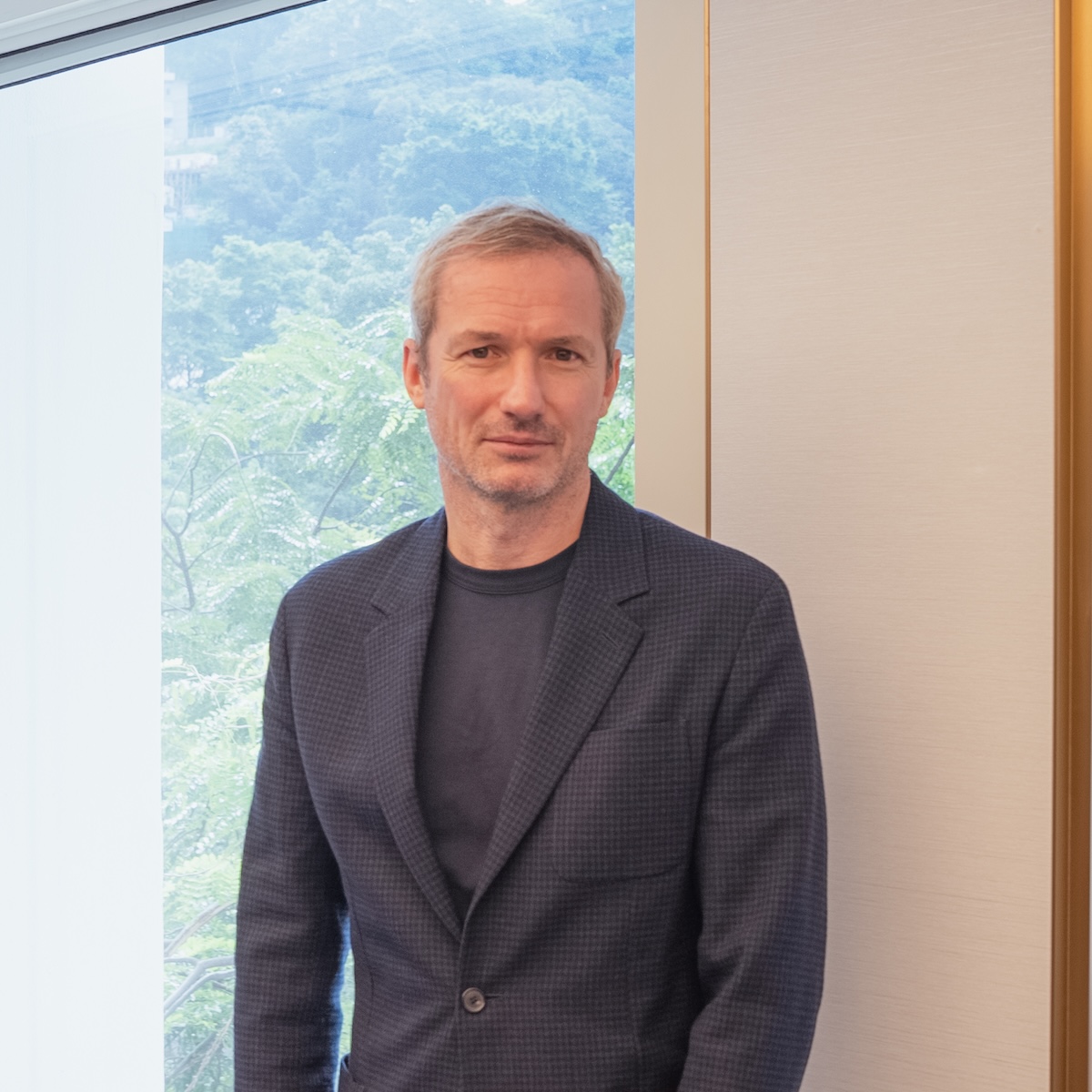



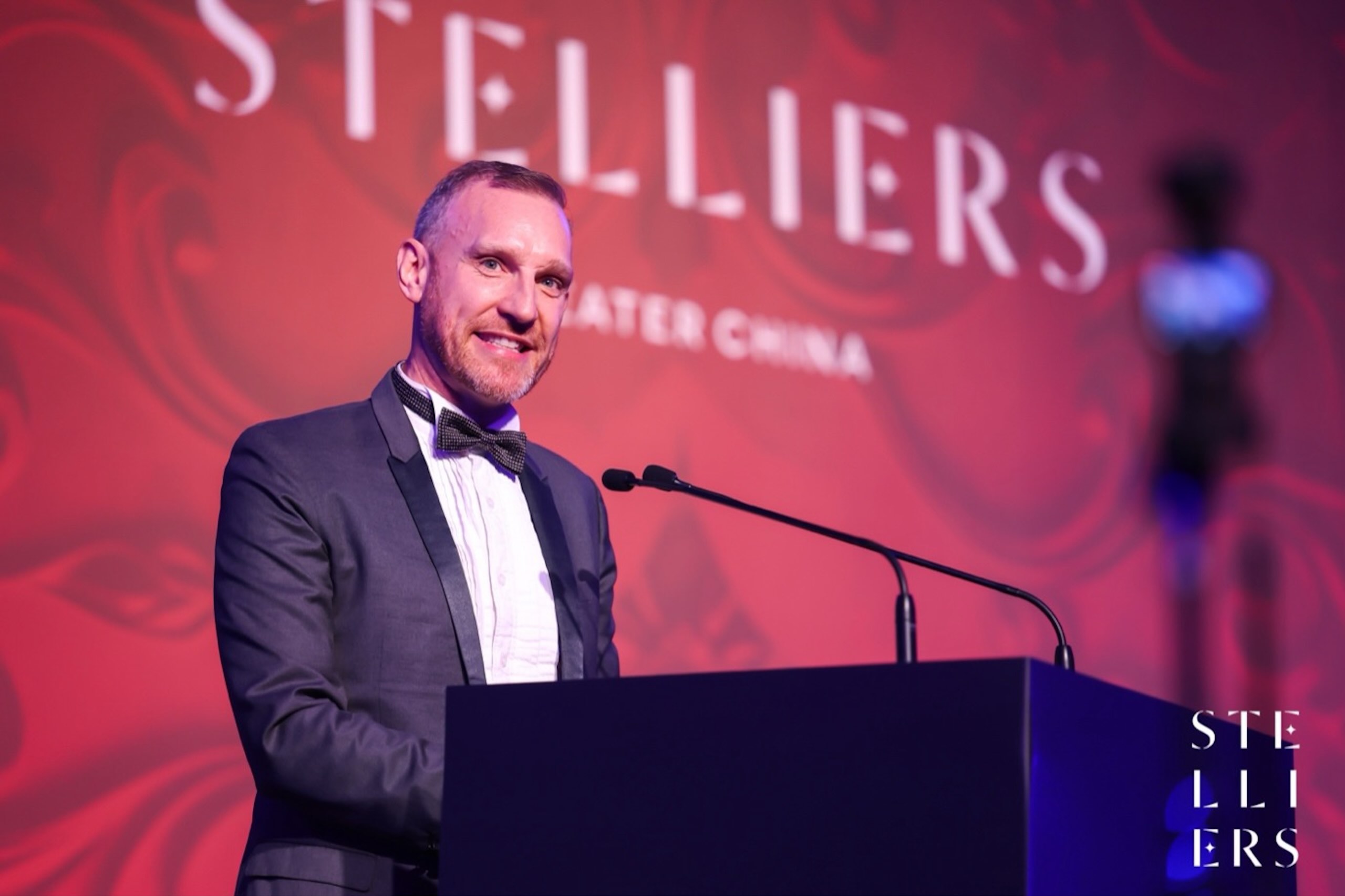
In the summer of 2003, the Shanghai skyline was still a promise rather than a boast. French expatriates Stéphane de Montgros and his business partner, Benoit Thebaut, looked at the city’s concrete riverbanks and saw opportunity in a city still finding its rhythm. De Montgros recalls that “there weren’t many options back then…the days were fairly quiet on weekends.” So, the enterprising pair ushered in a solution that was simple, audacious, and quintessentially Riviera: throw the best pool parties China had ever seen.
Champagne brands were pouring budgets into the Middle Kingdom for the first time, seeking new ways to connect with a rapidly growing audience. Many companies were experimenting and open to fresh ideas, creating space for Riviera to bring something new to Shanghai’s social landscape. “We gave them wooden decks, cabanas, jacuzzies, and DJs flown from the best clubs in Europe, offering a lifestyle experience that felt different for the time.” Riviera Pool Parties were born, and the name was deliberate. “Riviera meant sun, sea, sophistication,” de Montgros explains. “Everything Shanghai aspired to be.”
Then, the hotels came calling. First for poolside takeovers, then seasonal activations and opening ceremonies. “We just orchestrated the launch of the new Shangri-La Hongqiao Airport and Traders Hongqiao Airport, Shanghai Hotels,” de Montgros says. “From immaculate creative setup to engaging viral entertainment our role is to help bring the hotel team’s vision to life.” Word spread, not just about the events themselves, but about the agency’s ability to collaborate closely with any brand to create a seamless event experience. By 2010, Riviera Events had seven offices across Greater China, and was the go-to event agency for any property looking to create memorable moments for their guests and communities.
Yet de Montgros felt the hotel industry owed more to its unsung architects. “Every award celebrated properties, spas, or restaurants,” de Montgros noted. “Nothing honoured the people powering them.” In 2014, Stelliers was launched—not as another pay-to-play gong show, but as a meritocracy. Stelliers ensures that recognition is earned. “You cannot buy a Stelliers, you have to deserve it.”

The model is forensic. Applications require endorsements from direct supervisors and general managers. A panel of five judges debates. Video interviews are conducted in the nominee’s native language – whether it’s Tagalog, Bahasa Indonesia, or Cantonese—so they can express themselves comfortably. “ChatGPT can polish an application,” de Montgros notes, “but it can’t fake a 25-minute conversation. We really get a great feel of the calibre of the talent we are engaging with.”
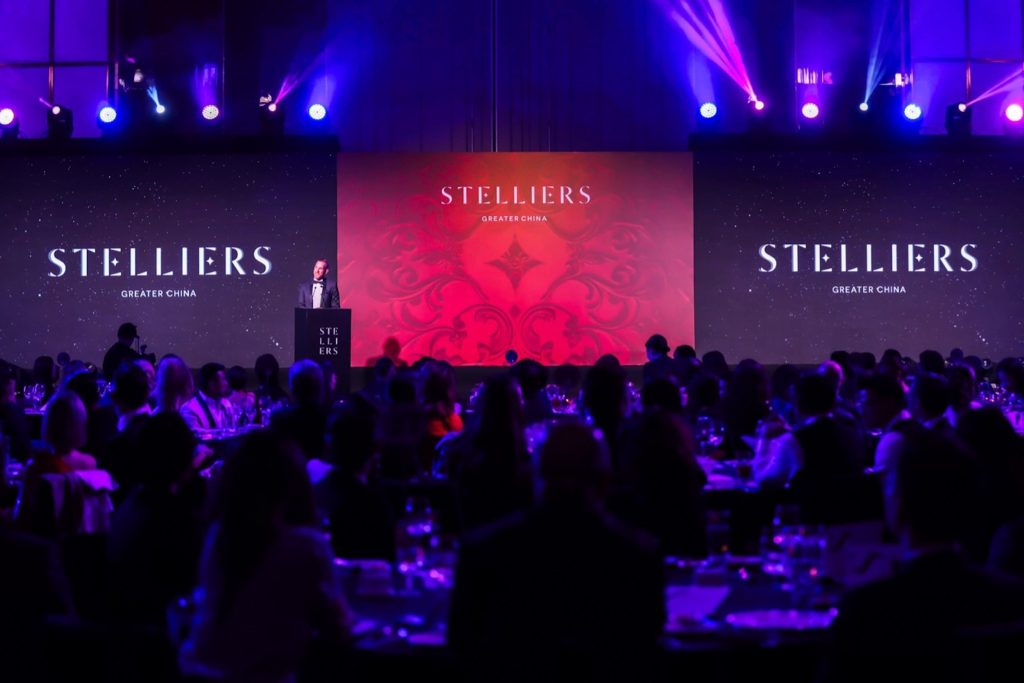
The 2025 Asia ceremony at Capella Bangkok saw 106 finalists whittled down to 21 winners. Greater China’s gala follows on 12 December 2025 at the Grand Lisboa Palace Macau, marking another milestone moment for the region’s hotel community.
Categories span the full professional pyramid. Front-of-house stars share the stage with engineers who keep four-storey fountains flowing, HR wizards who keep track of a legion of staff, and the unsung hero who might be the gardener coaxing fresh produce from rooftop soil or the junior chef who prepares thousands of meals for fellow staff. Amongst the most meaningful categories for the Stelliers team is the Unsung Hero—an award designed to spotlight team members who rarely find themselves in the limelight. As de Montgros explains, it sits at the heart of Stelliers’ mission: “We really work our promise to make sure that every hotel professional has a shot at being seen and valued.”
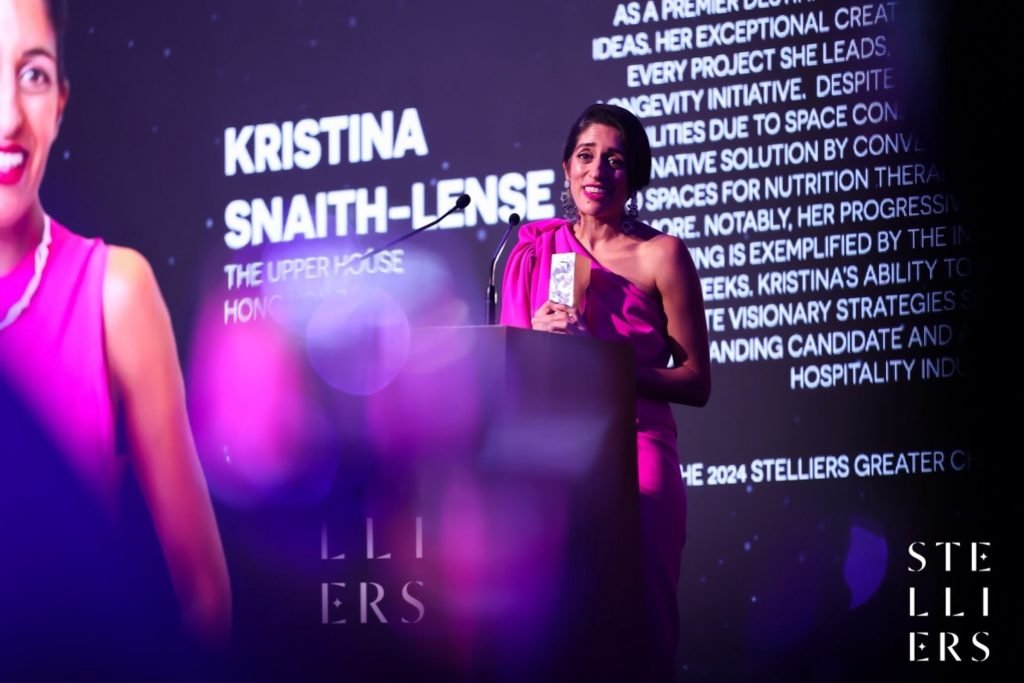
Now, the ripple effect of Stelliers is measurable. While hotels already run their own internal recognition programmes, Stelliers adds a layer that reaches beyond any single brand or property. Finalists and winners are celebrated across companies and across borders, and many participants often see meaningful career progression in the year that follows. Unlike property awards that stay bolted to lobby walls, a Stelliers award travels with its recipient. “It’s theirs for life,” de Montgros says. “And the emotional bond is ferocious.”

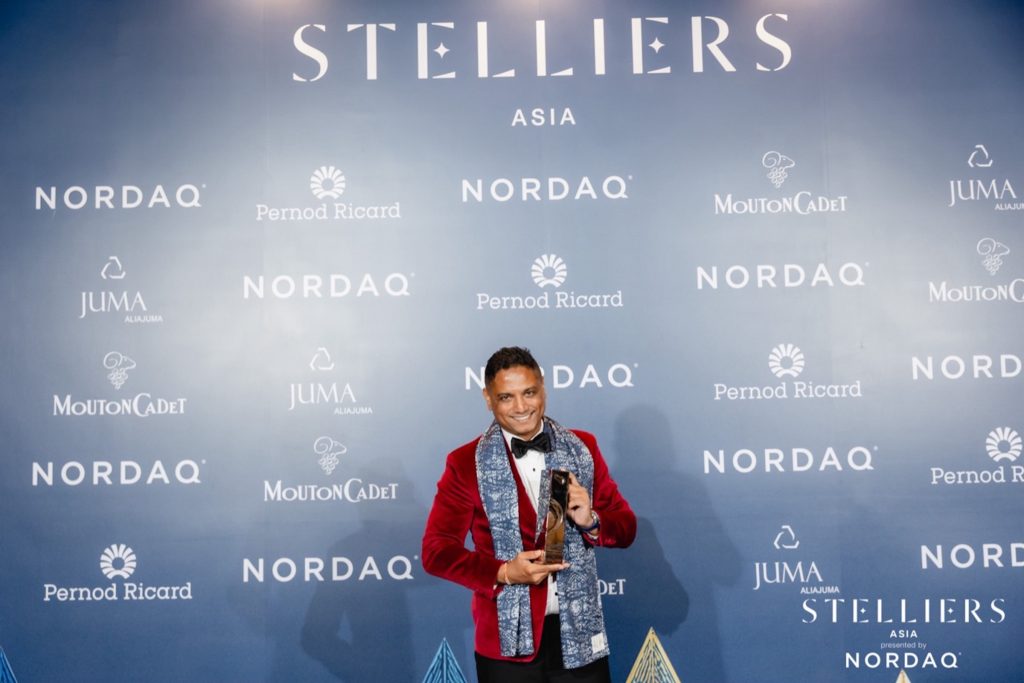
In markets like Indonesia and the Philippines, where populations are vast and ambition boundless, the Stelliers team regularly witnesses the confidence and motivation that recognition can inspire. Yet, talent shortages remain a challenge for the industry—a paradox, de Montgros notes: “Hospitality is the best university. You can learn about food, beverage, sales, and marketing. You’ll be exposed to different languages, cultures, and people. If you work very hard, you can seize the opportunities that will enable you to get a job in management.” Stelliers aims to spotlight these possibilities. As Linda Pecoraro, Stelliers Asia 2024 General Manager of the Year puts it, the mission is simple: We need to make hospitality “sexy again.” Case in point: Vidya Sagar, the 2025 General Manager of the Year winner, who began his hospitality career as a housekeeper. On stage at the Stelliers Asia 2025 Awards Ceremony, he told his peers: “If I can do this, you can do it.”
Cultural balance is non-negotiable; gender parity hovers at 50:50. Entries are free for hotels, ensuring even boutique independents can compete with behemoths. Judging is not without its challenges. “[We have] five experts, one table, zero inspectors,” de Montgros admits. “We can’t parachute into every laundry room.” Instead, judges rely on applications, references, and in-depth interviews to form their decisions. The group debates openly and consensus is mandatory; a process that reflects the diversity of perspectives in the room—a mix of operational, sales and marketing, and technology backgrounds. “Over the years, I think we’ve been recognising the right people,” de Montgros reflects. “Are we perfect? I don’t think so. But are we doing good work? I believe we are. We try to do our best with the resources that we have.”
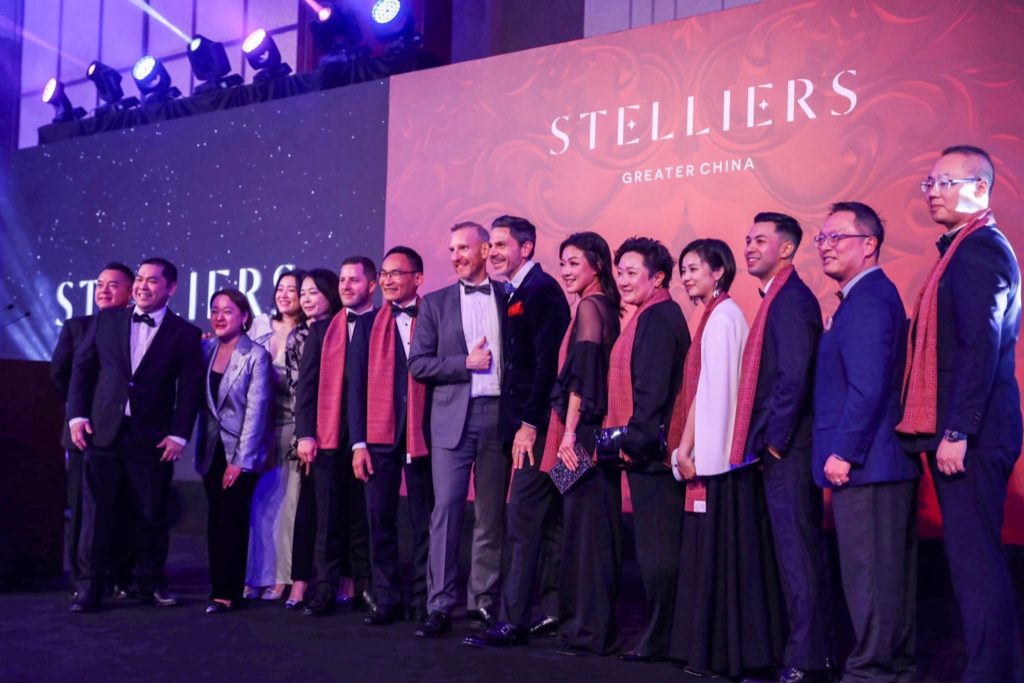
Award ceremony venues are chosen with Machiavellian precision. Macau’s integrated resorts offer the scale and infrastructure needed for regional gathering, along with the sense of occasion that suits the celebration. As de Montgros puts it, “Macau delivers red-carpet glamour, Michelin-starred dining at mortal prices, and centrality for Guangzhou, Shenzhen, and Hong Kong.” Bangkok alternates as the host city for the Asia edition for similar reasons: offering exceptional hospitality, controllable costs and irresistible weekends. Still, de Montgros emphasises that the setting is only one part of the experience. “The emotion in the room is genuine. It’s real. You feel how much these moments mean to people—the pride, the excitement, sometimes even the tears. It creates a kind of joy that you can’t script.”
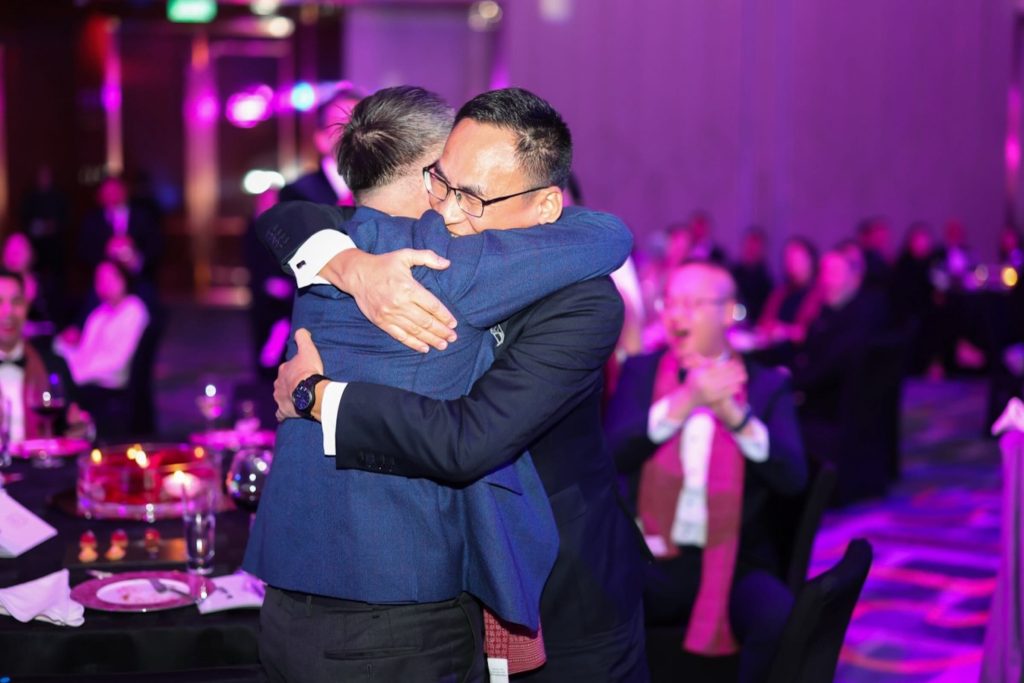
12 years in—one full Chinese zodiac cycle—Stelliers has become Asia-Pacific’s most recognised hotelier award. Global expansion beckons, but de Montgros is in no rush. “We were born in Asia because this is where luxury hospitality is evolving fastest,” he says. “We’ll eventually be in the Middle East, the Americas, and Europe but, for now, we believe we can bring the most value to our community here in Asia and that it’s the right place for us to keep improving.”
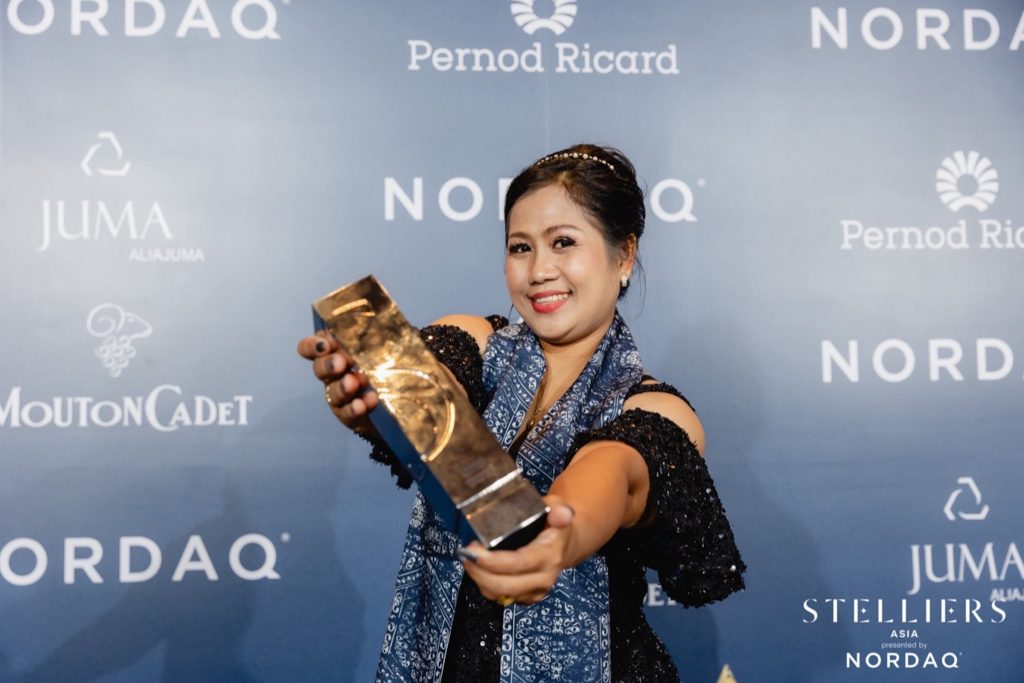
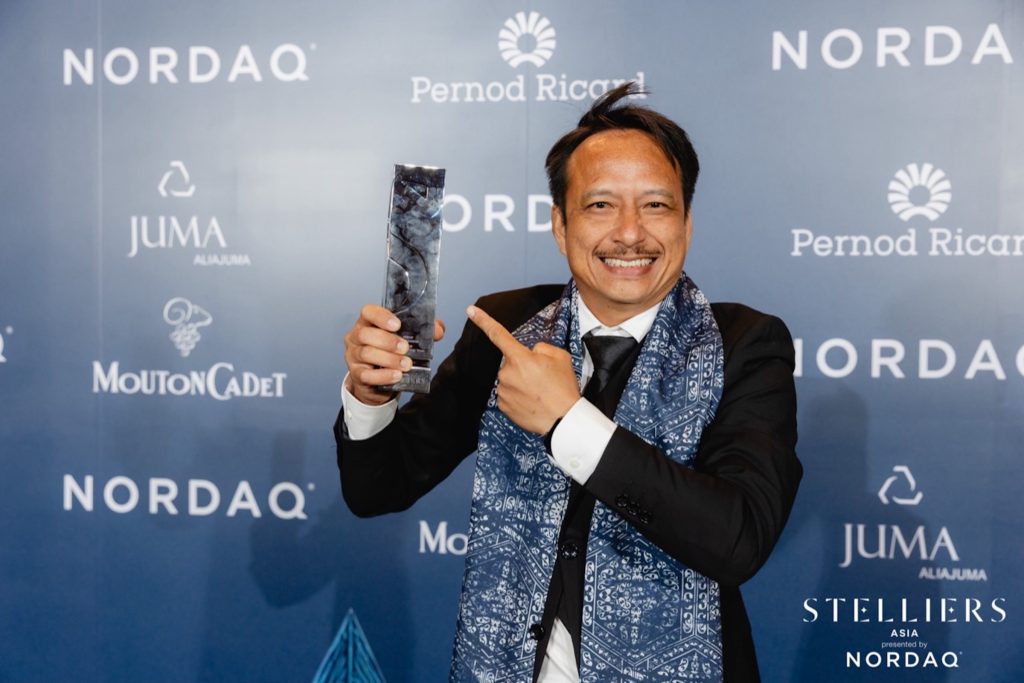
From poolside Champagne sprays to tear-streaked acceptance speeches, de Montgros’s journey in building Stelliers proves a quiet truth: marble impresses, but memory is made by human hands. He quotes the industry’s oldest mantra: “Take care of your people and they will take care of your guests.” In an era of staff shortages and poaching wars, Stelliers is not merely an awards programme—for many, it offers recognition, encouragement, and a sense of belonging; an ongoing tribute to the individuals whose dedication keeps Asia’s palaces across the board shining.
For more information on the coming (and next) events, visit stelliers.com.