


Seoul has long dominated as the main attraction for travel to South Korea, standing as a giant over the rest of the country. But one of the most exciting new hospitality projects isn’t to be found in Seoul. In fact, it will take you several hours outside of the capital, into Yeongwol.
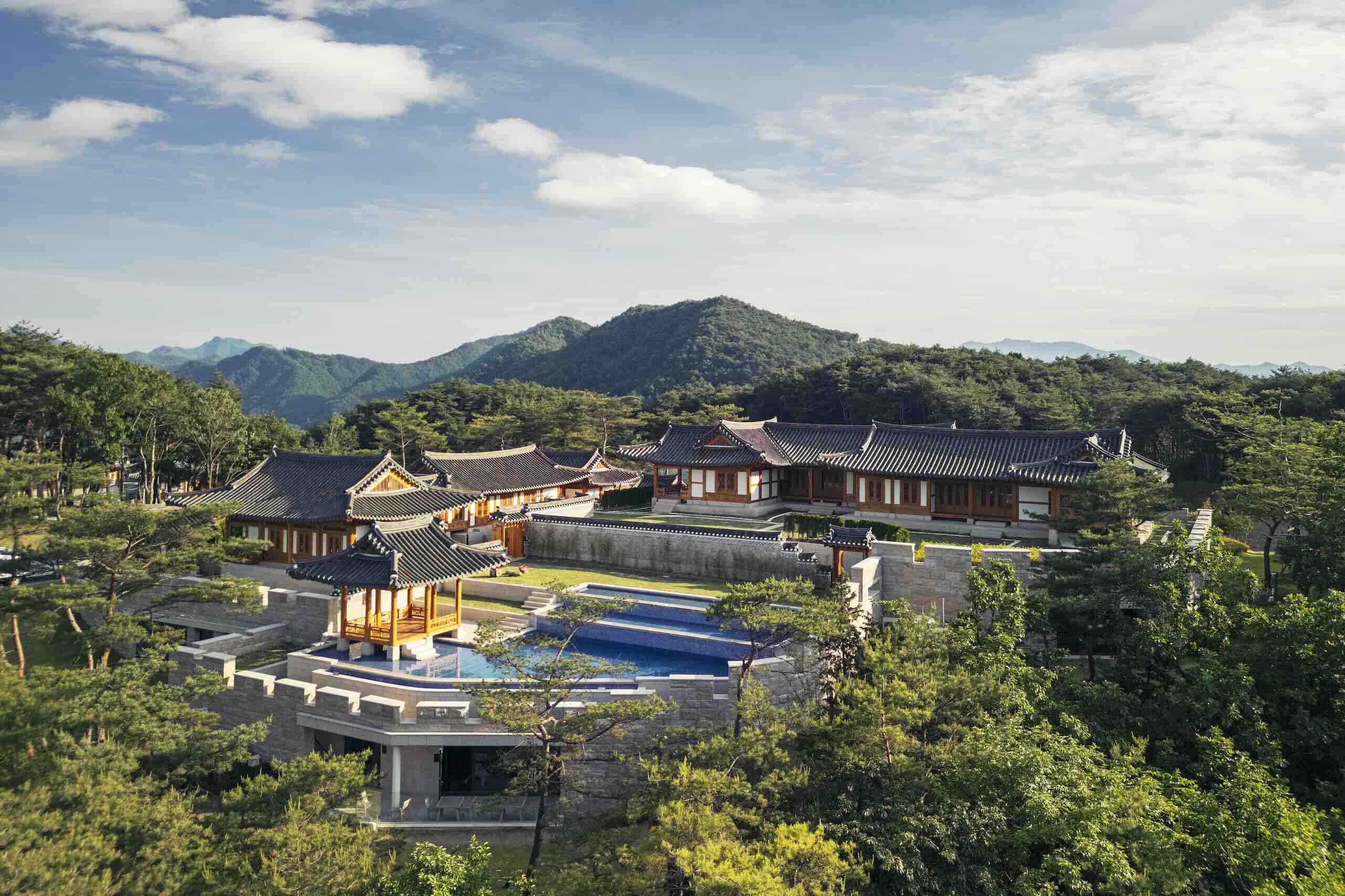
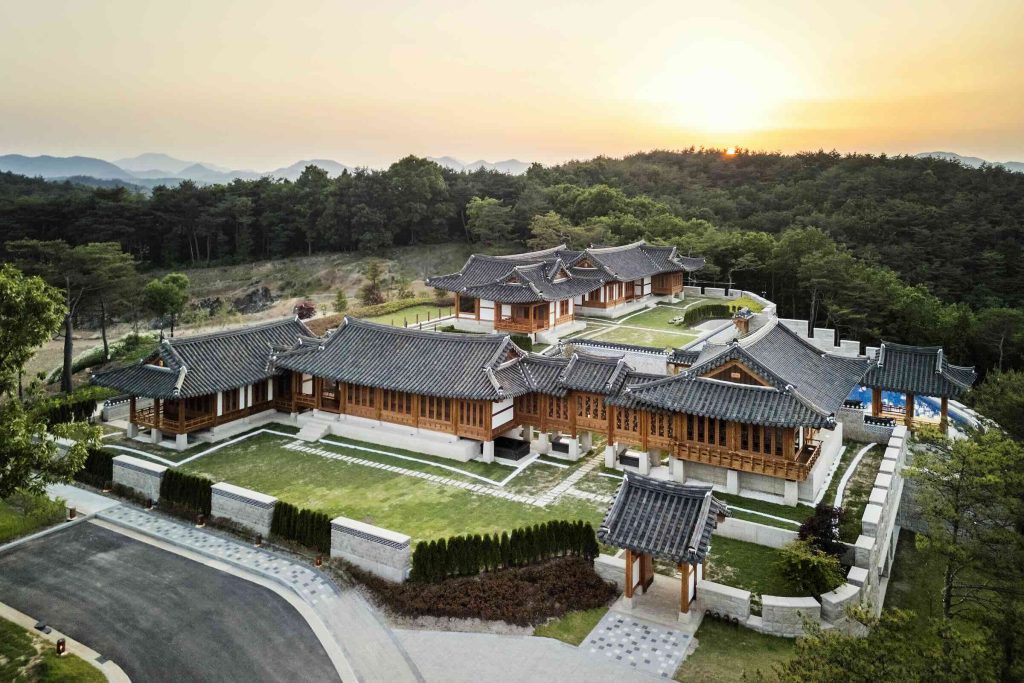
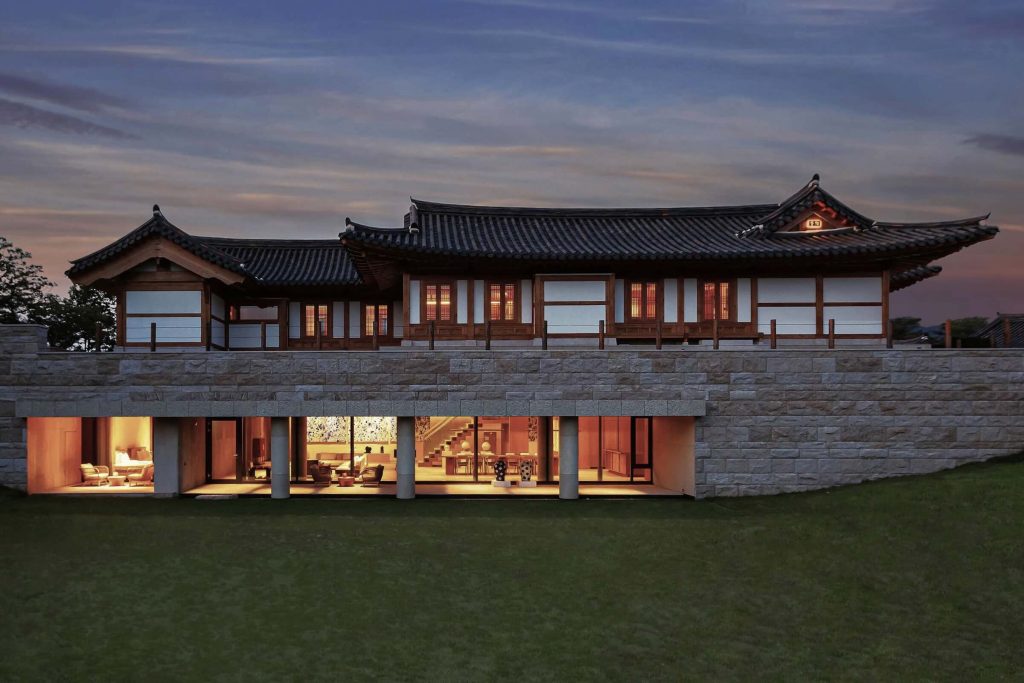
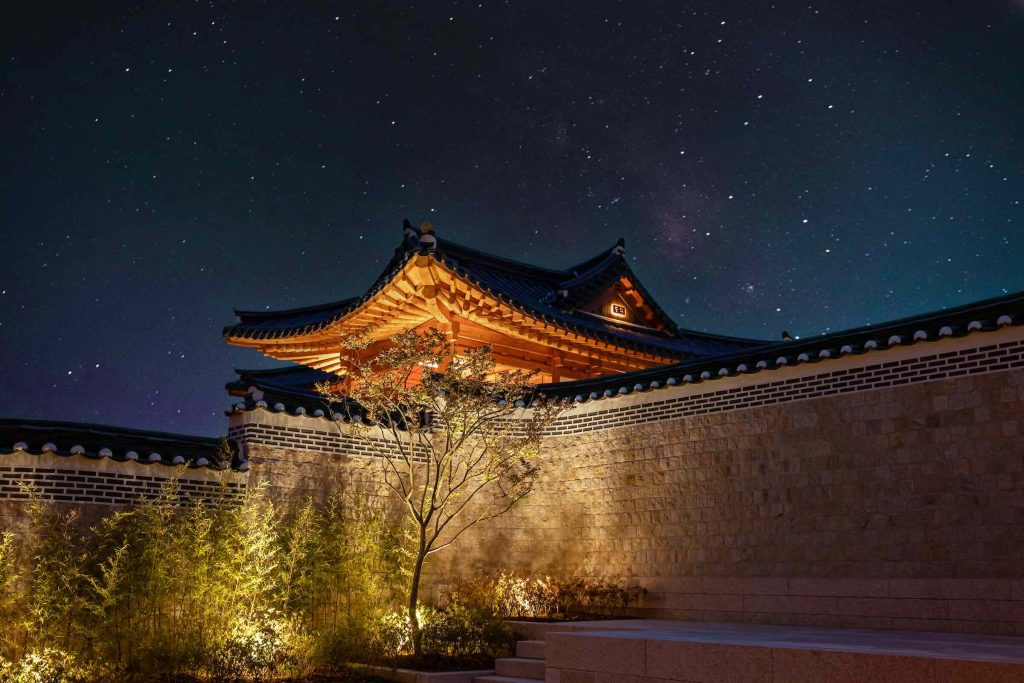
Here in this quiet corner of South Korea, amid a tranquil landscape dominated by hills blanketed in trees, is an architectural revelation that bridges past and present. The Hanok Heritage rises from a clearing in the heart of this landscape like a custodian of the valley, blurring the lines between history and modernity with its gabled rooflines, columned porches, and distinctive silhouette.
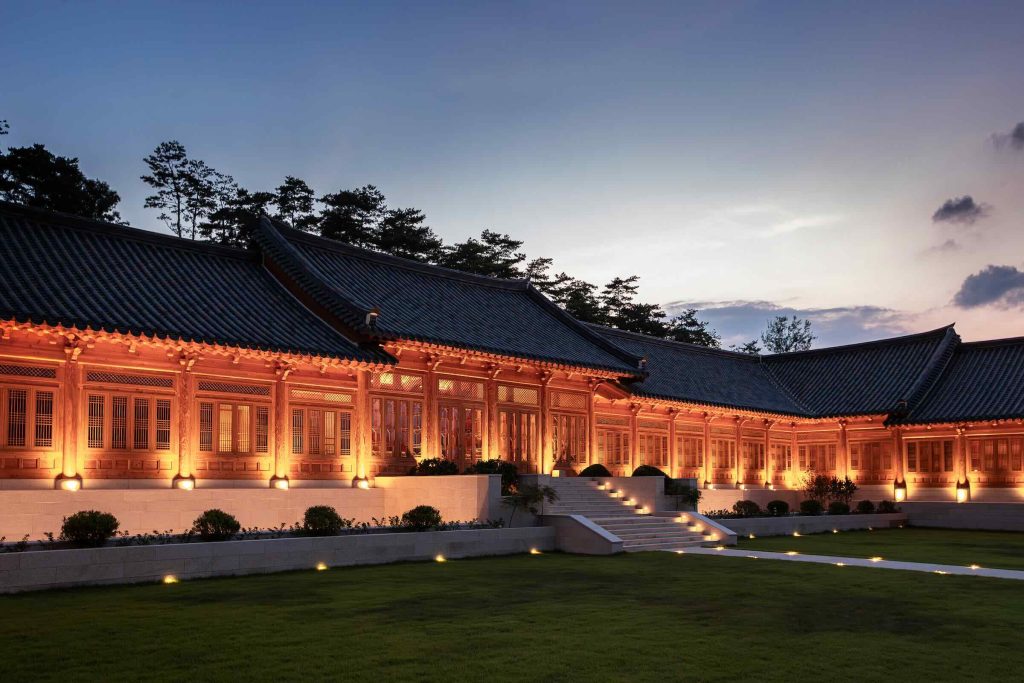
A labour of love brought to life by architect and businessman Cho Chung-il, The Hanok Heritage aims to preserve the artistic, aesthetic, and cultural essence of traditional Korean architecture, uplifting craftsmanship through innovation. Coupled with this goal of safeguarding time-honoured legacy is the desire to share its appreciation with a global audience through an immersive hospitality experience, allowing visitors to engage and understand the spatial design, comfort, and functionality of this architectural philosophy.
Divided between three standalone villas at The Hanok Heritage House with 10 rooms total and 14 rooms at The Hanok Heritage Hotel, The Hanok Heritage reimagines the unique qualities of hanok architecture for the modern era through the harmony of nature and humanity, creating a sensory retreat for connection, renewal, discovery, and contentment.
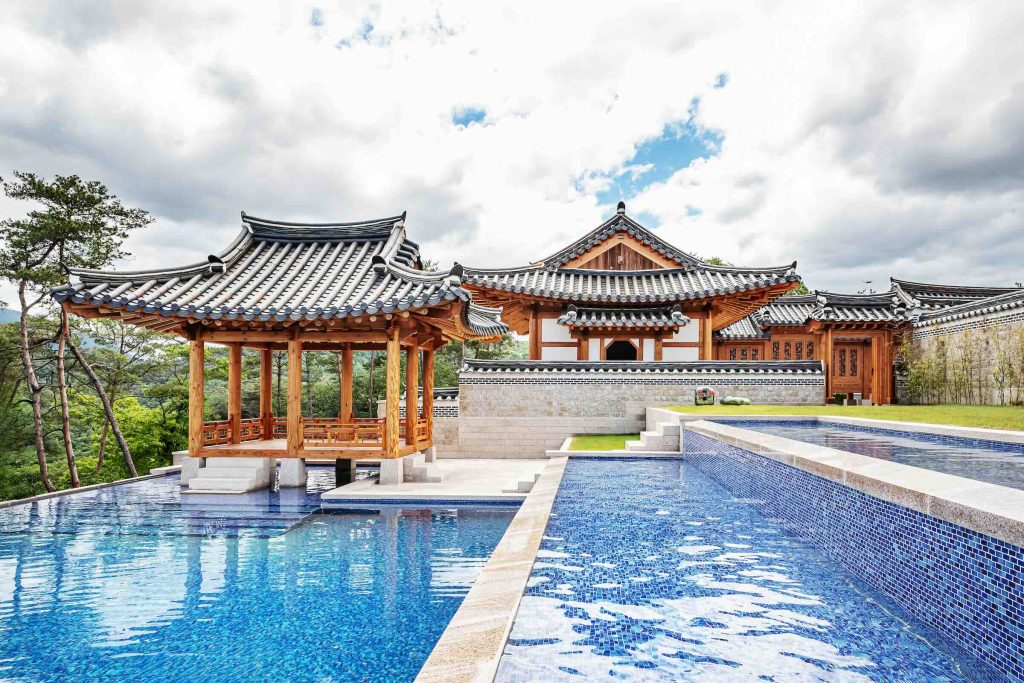
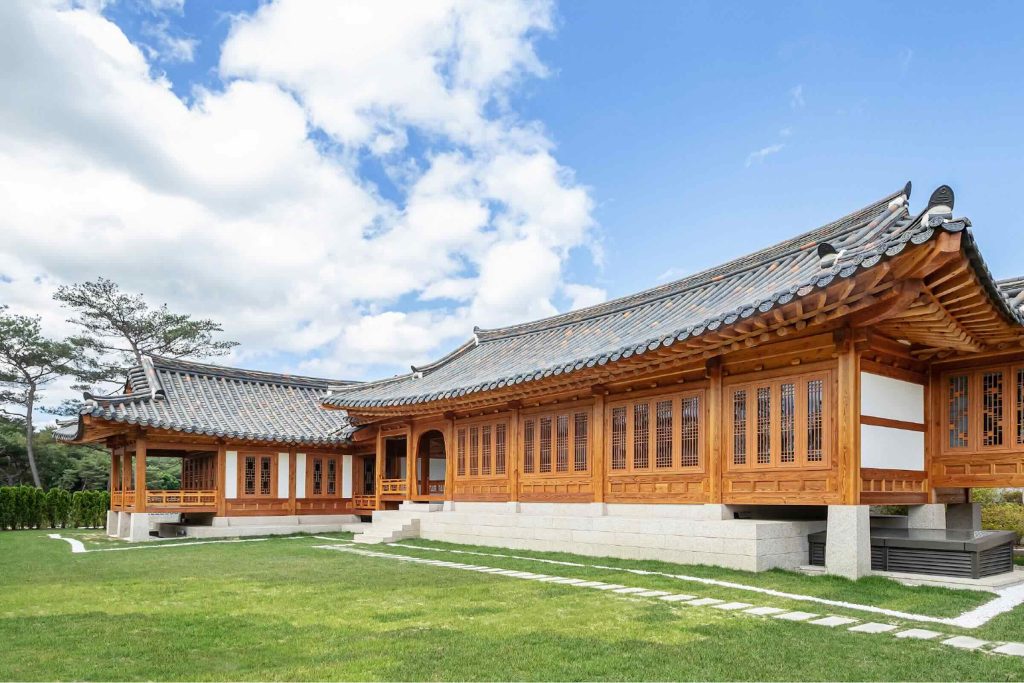
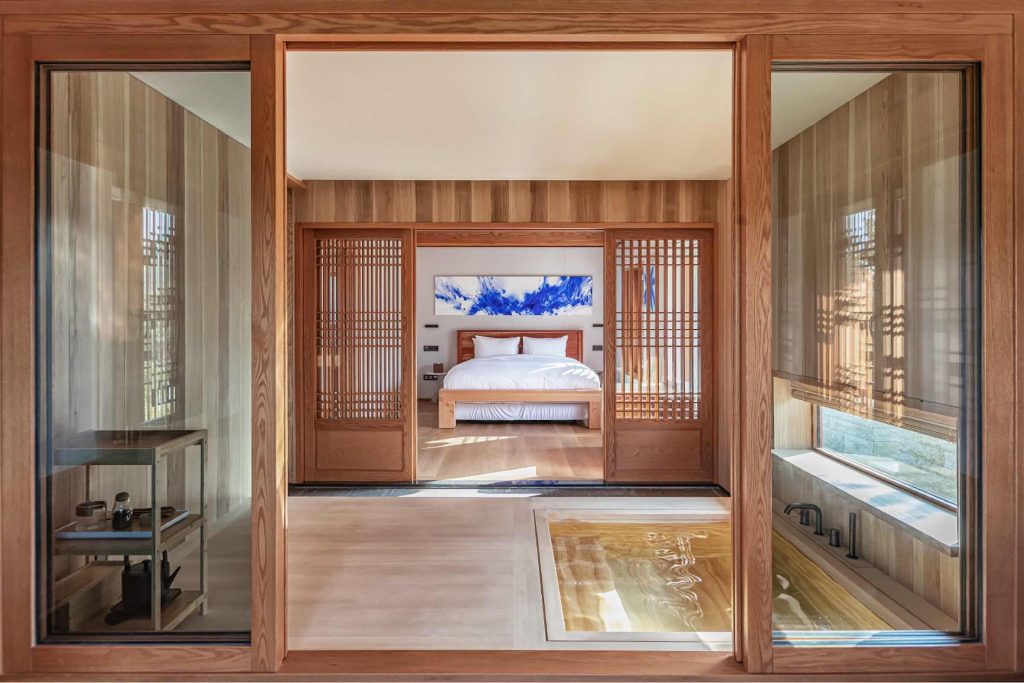
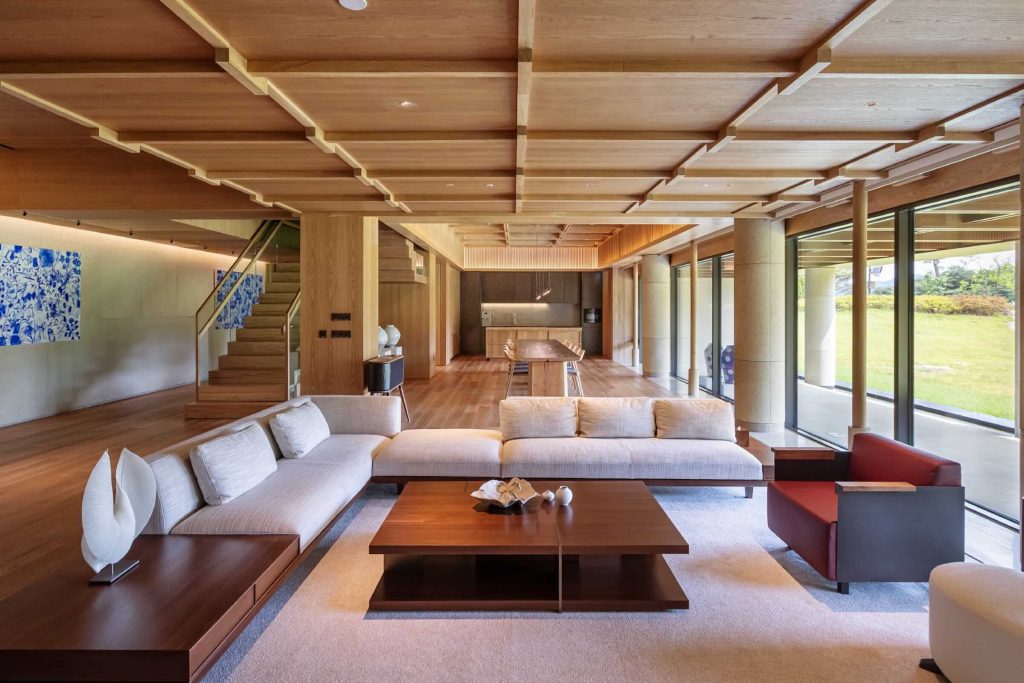
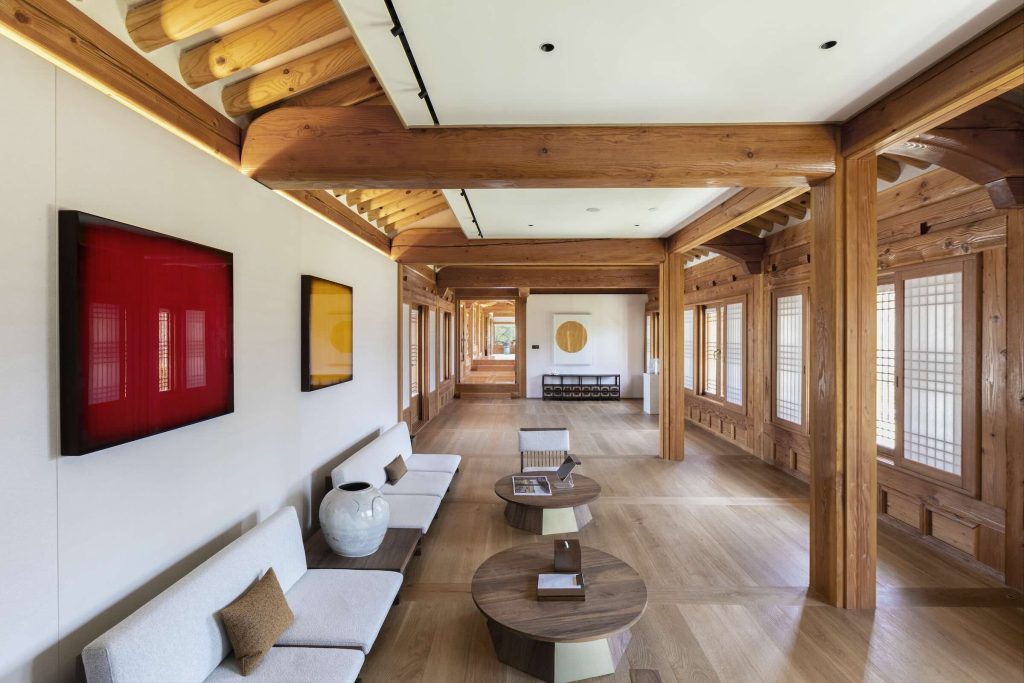
Yeongwol Jongtaek Building 1, centred around the concept of rest and peacefulness in nature, spans close to 600 square metres with three bedrooms, sleeping up to six occupants. Next door, Yeongwol Jongtaek Building 2 celebrates the concept of joy and leisure across 674 square metres, three bedrooms, and two floors. Both structures make up the Jongtaek space, which shares a swimming pool and courtyards, though the former has the added feature of a media room, and guests staying in the latter can benefit from a dry sauna right on the premises.
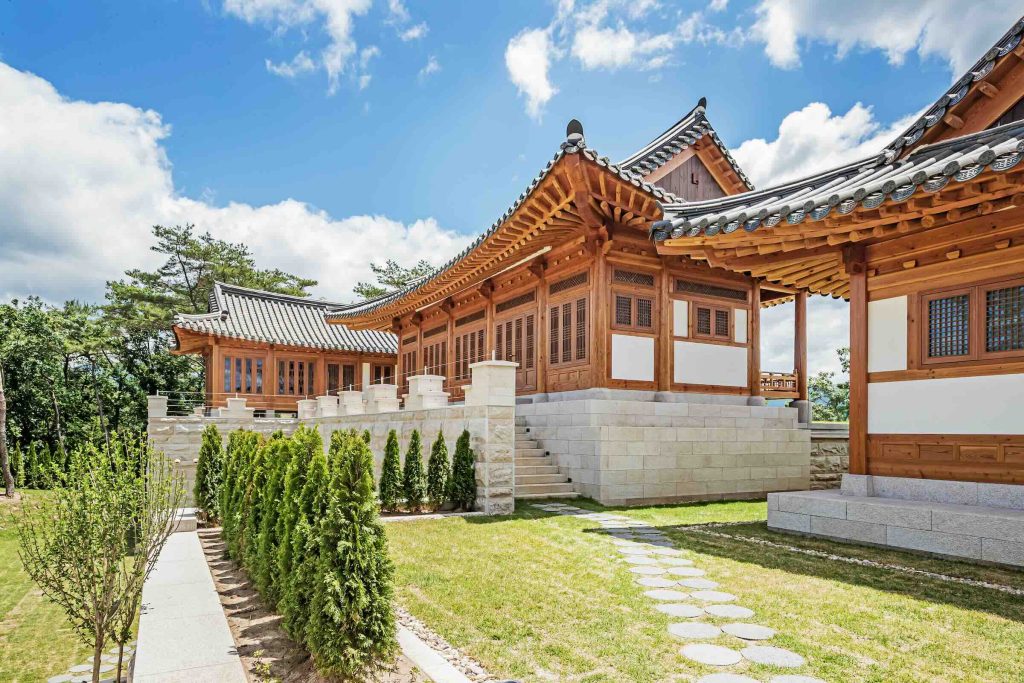
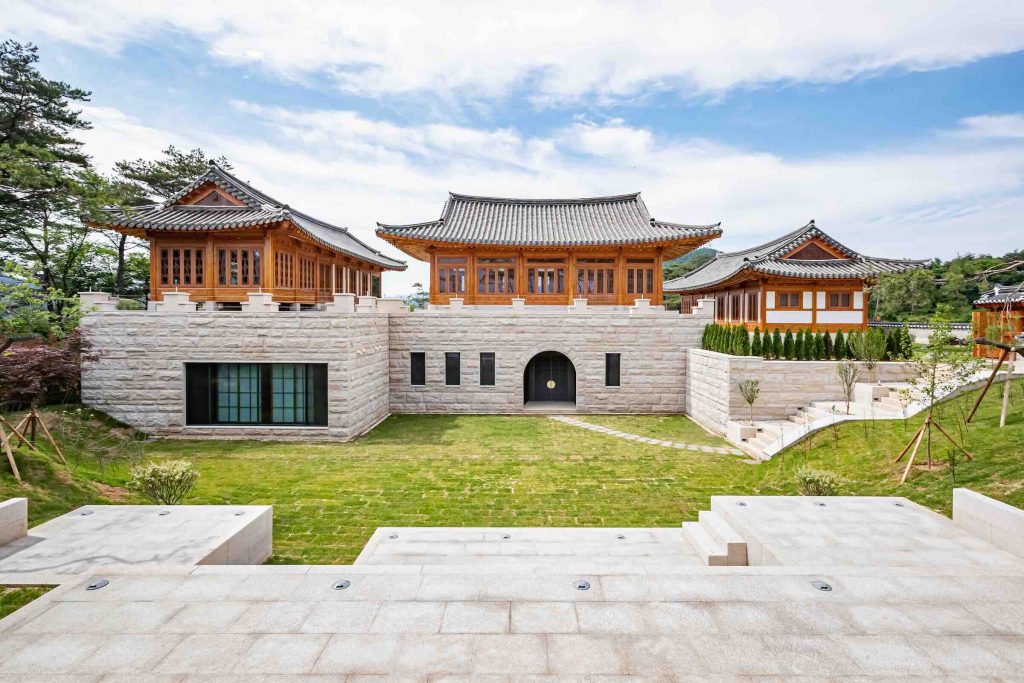
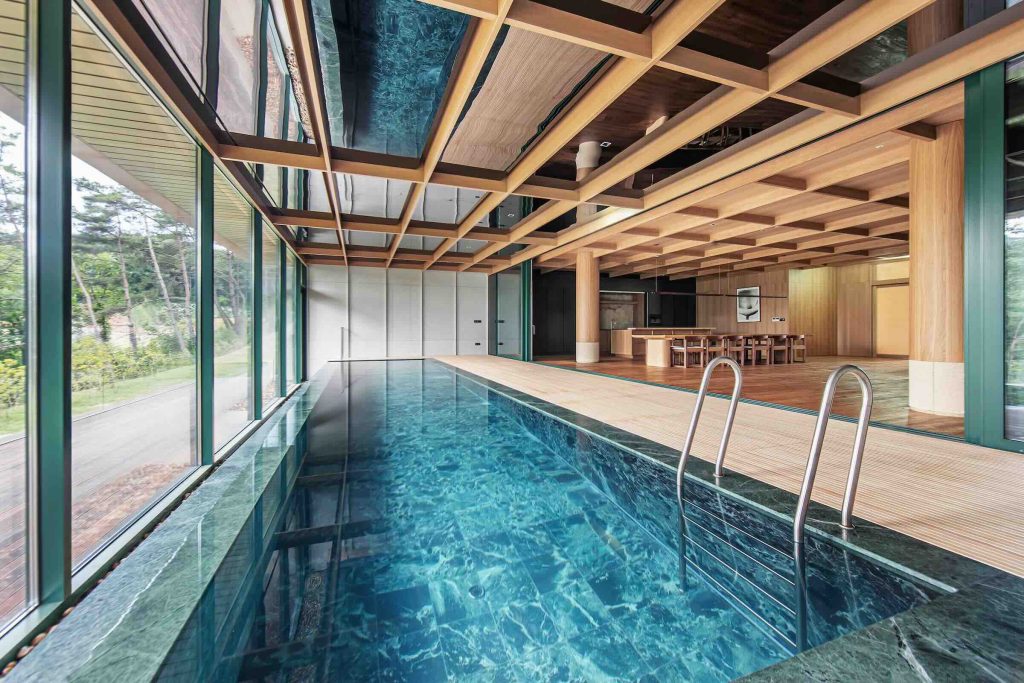
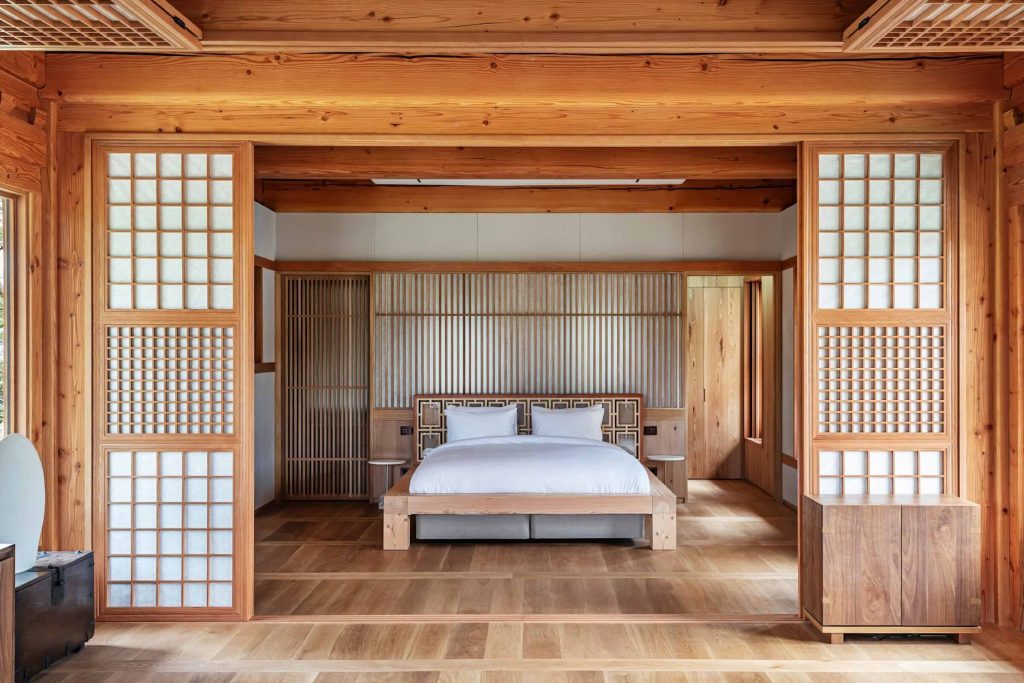
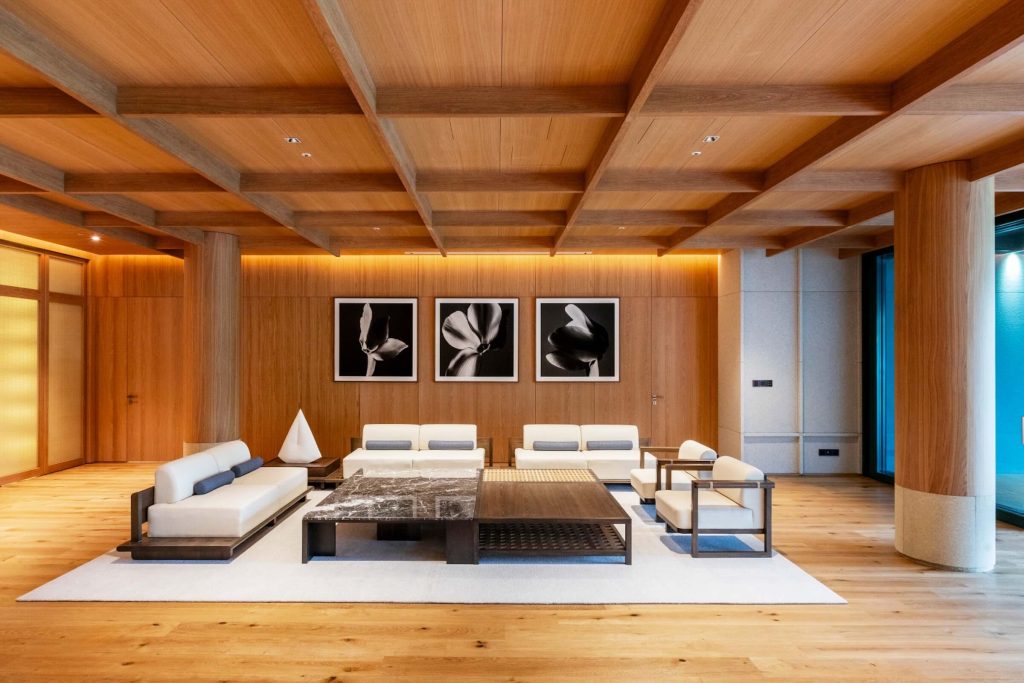
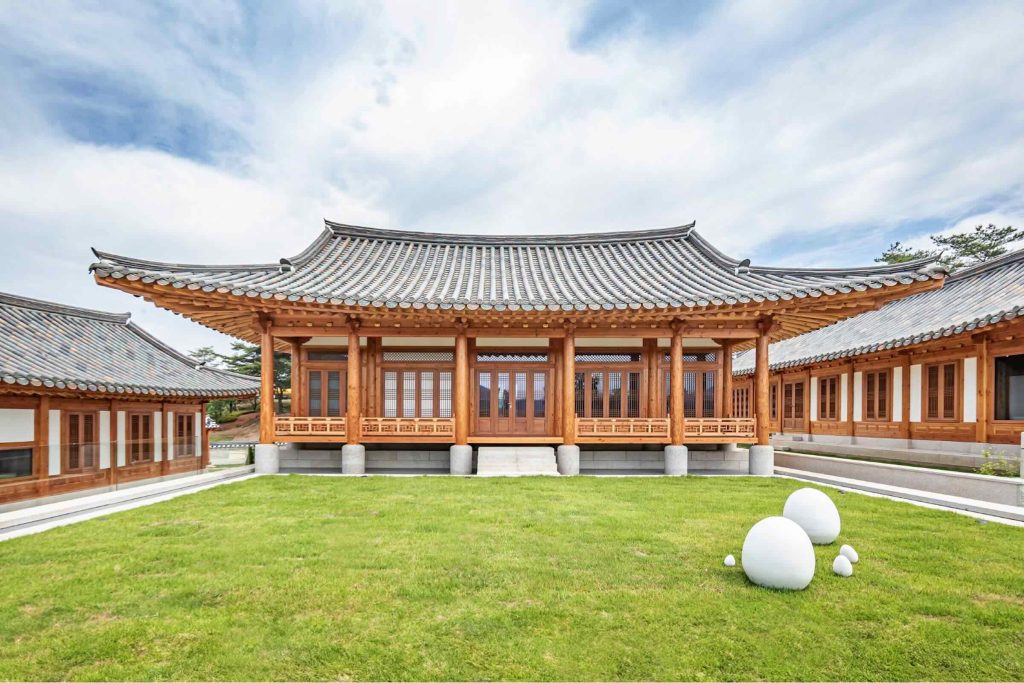
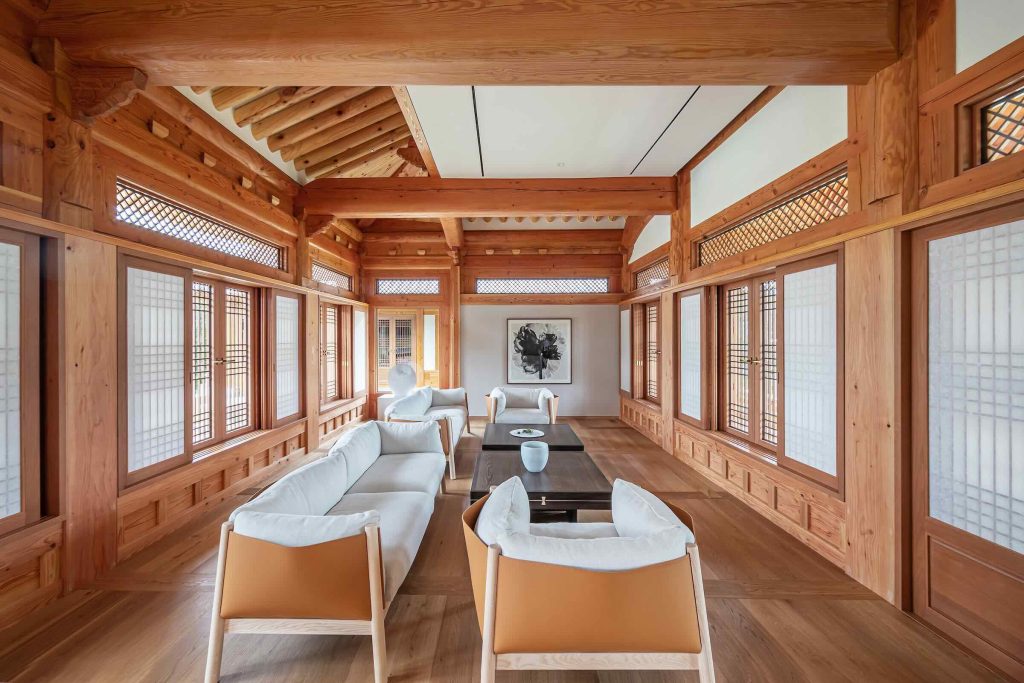
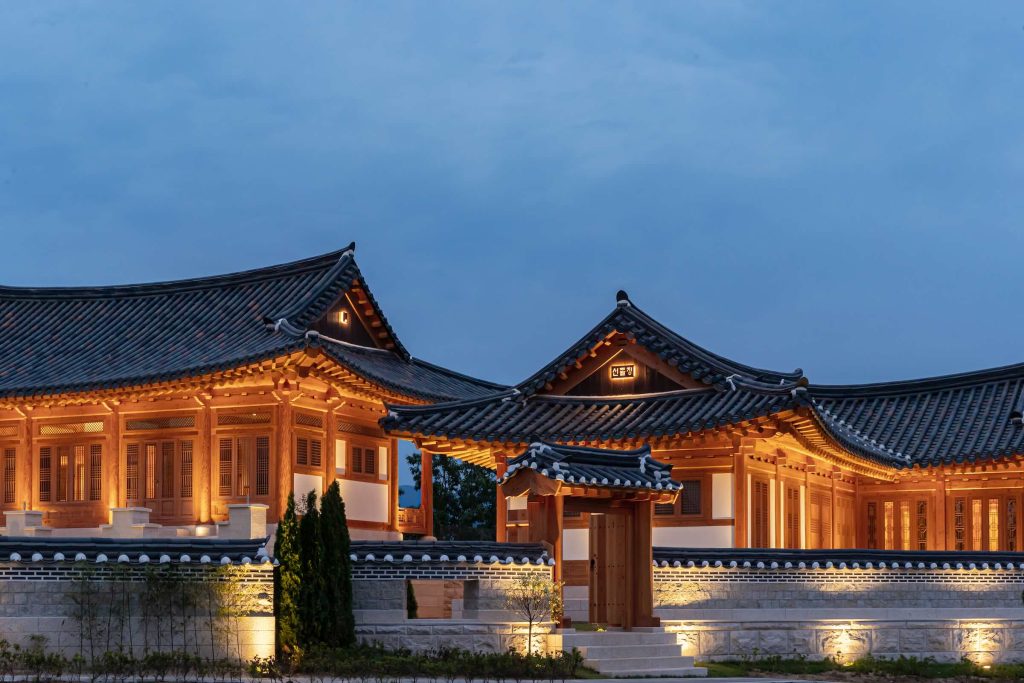
Seondoljeong rounds up the villa offerings with an even more palatial proposal: 982 square metres of accommodations, four bedrooms across three private buildings within their own confines, and two storeys that house a living room, dining area, kitchen, dry sauna, multimedia room, indoor pool, and soaking tubs, not to mention an outdoor garden that looks out over the mountains. All three villas are placed around a serene pine tree garden, up the slope from The Hanok Heritage Hotel for an even greater vantage point of the surroundings.
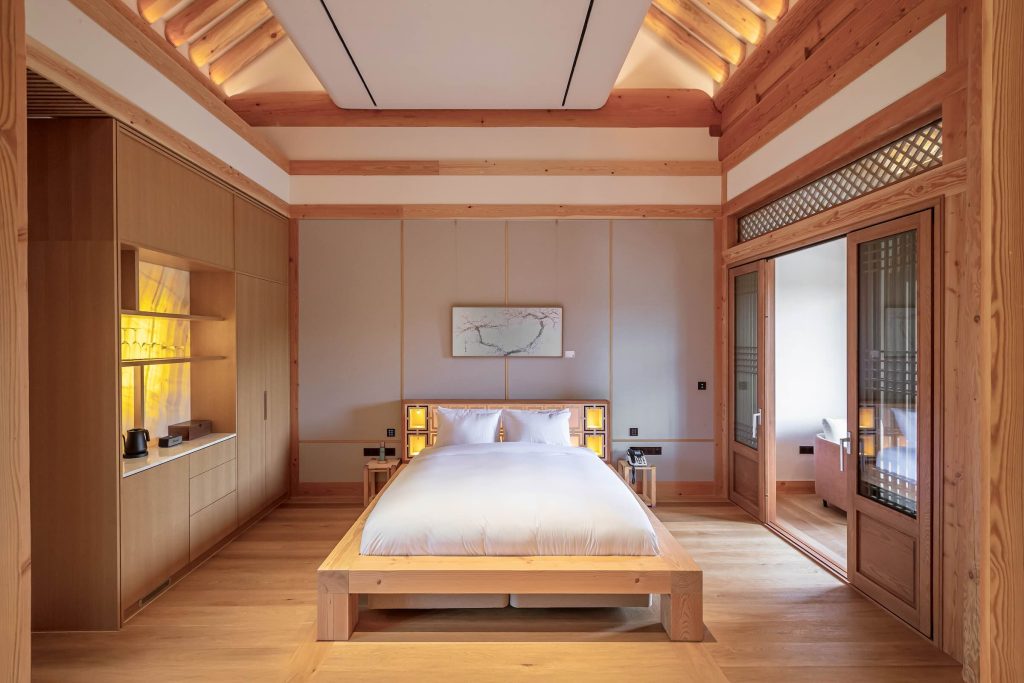
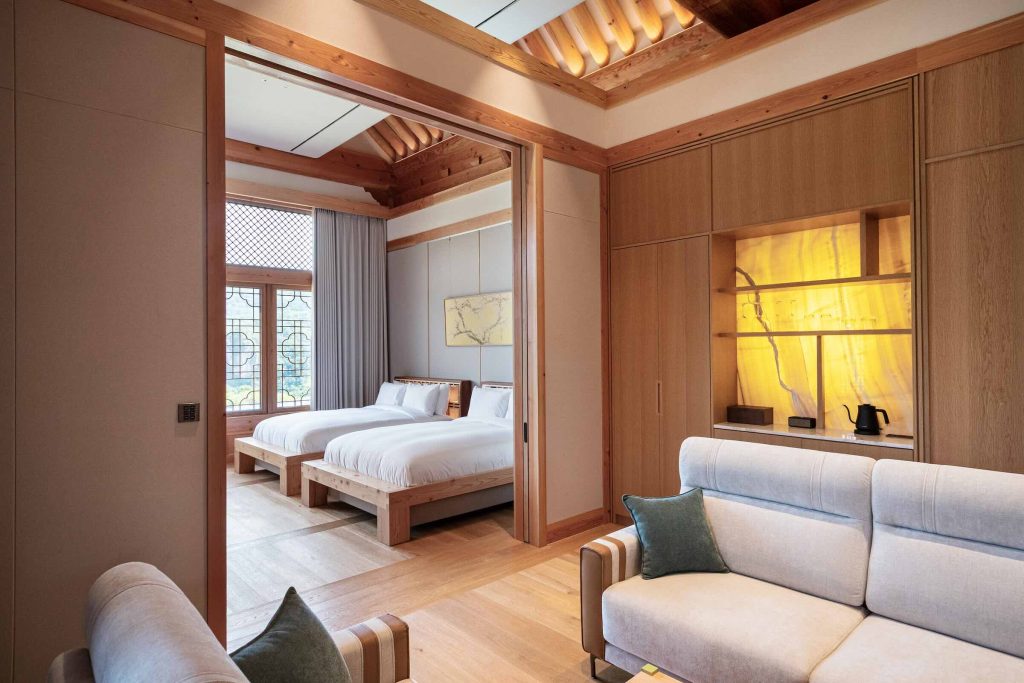
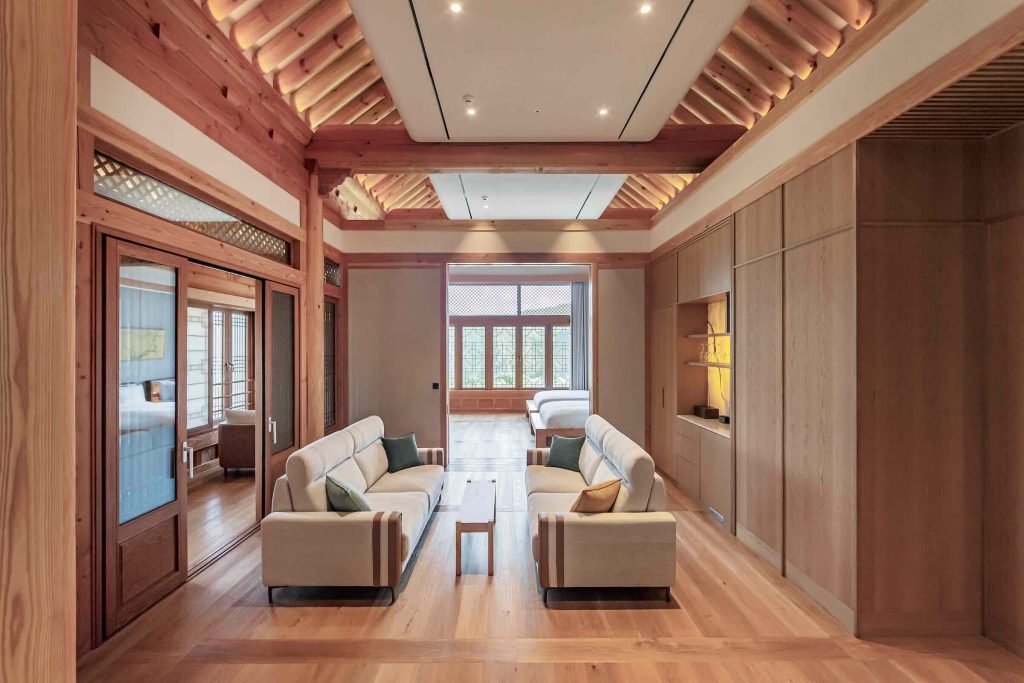
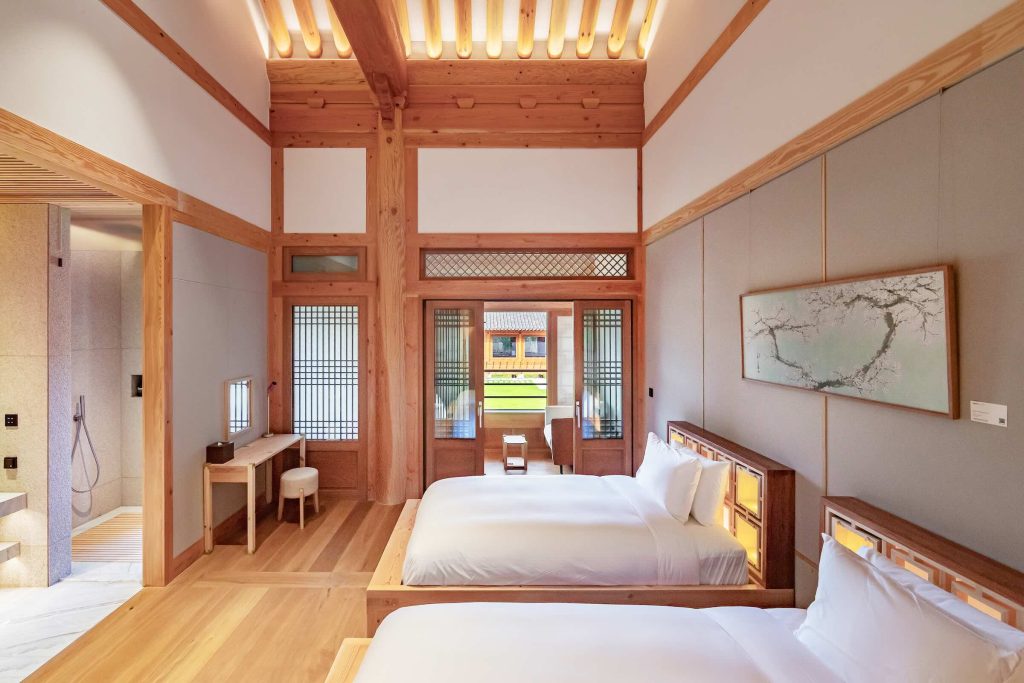
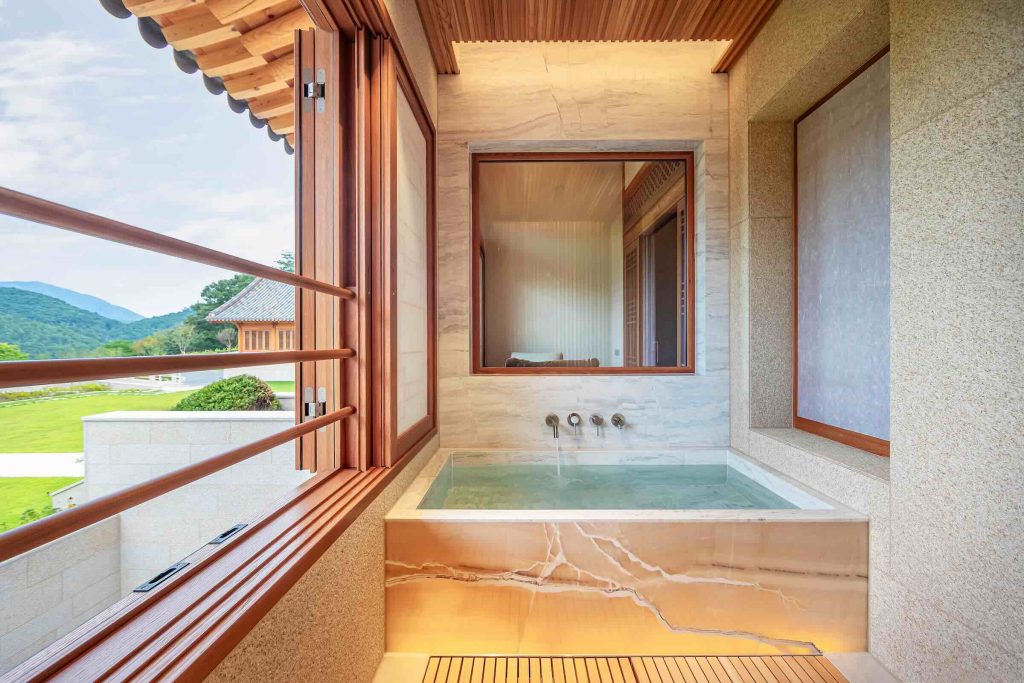
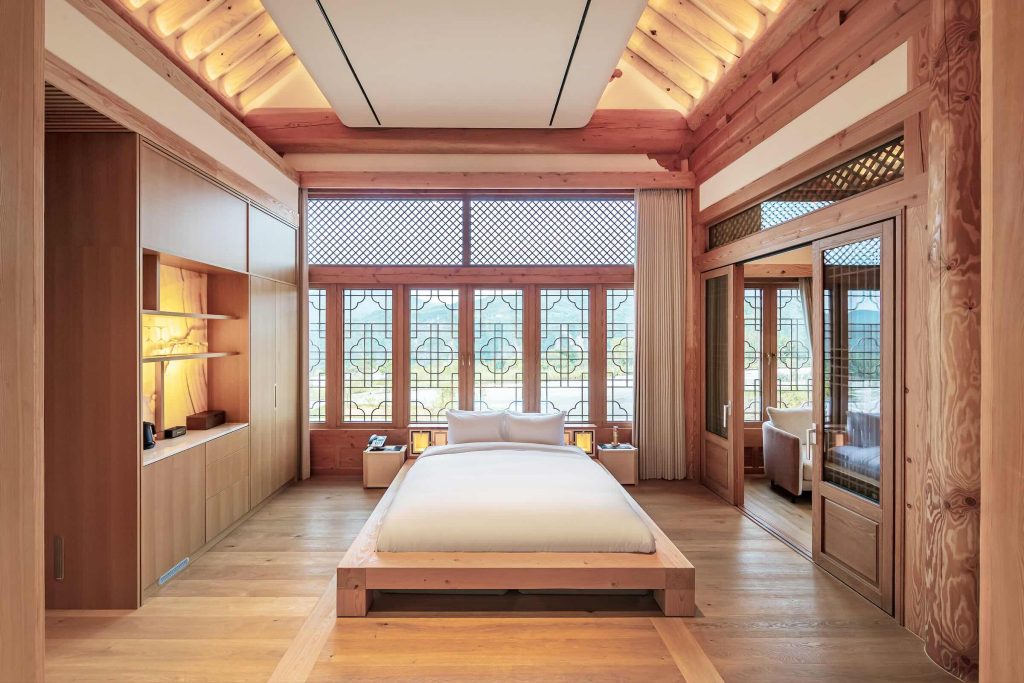
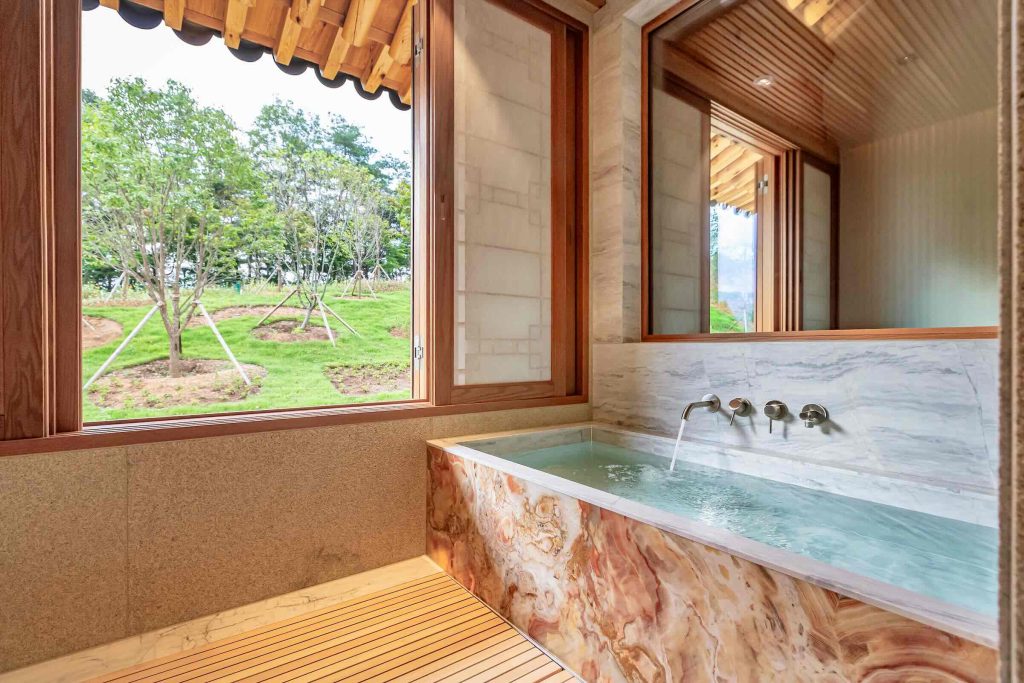
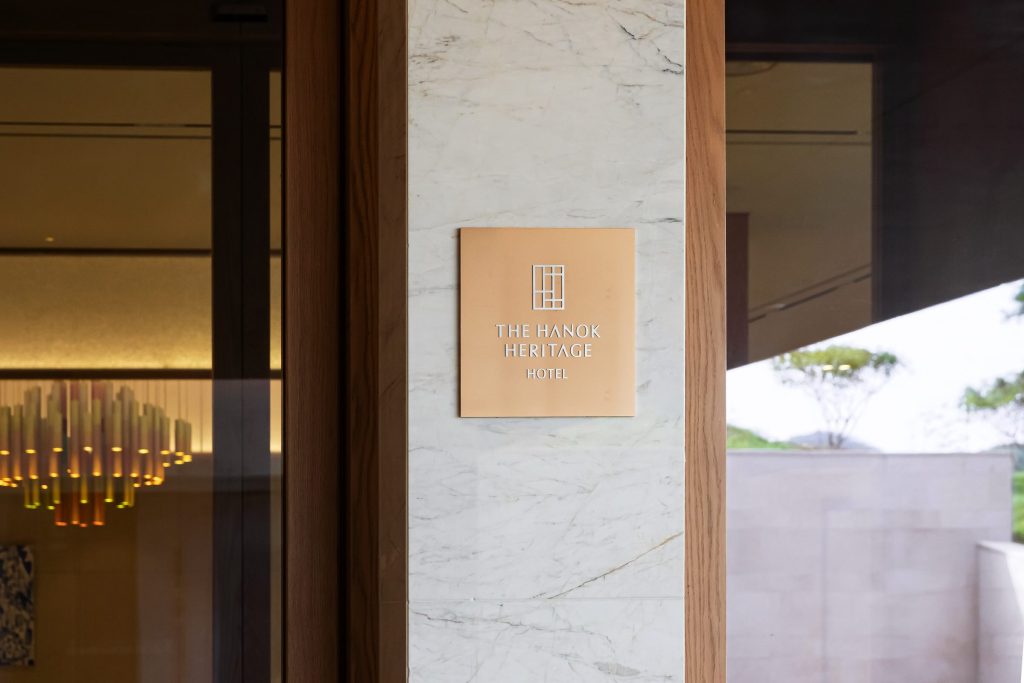
At the Hanok Heritage Hotel, six room and suite types ranging from 45 to 91 square metres are placed around the U-shaped building inspired by the Jeongjeon main hall of the Jongmyo shrine, a UNESCO World Heritage site. On these grounds is also where The Hanok Heritage keeps a multipurpose banquet hall, the Gyeol art gallery, the Goyo lounge, the Nugak byuljae pavilion, and two dining concepts, Monto and Namu. Monto presents sensorial fine dining through the lens of local refinement, allowing guests to experience each season’s harvest. All-day dining restaurant Namu offers well-balanced meals, from a 12-dish Korean breakfast set to à la carte options, such as perilla-oil golsong noodles and hwaban mulhoe, for lunch and dinner.
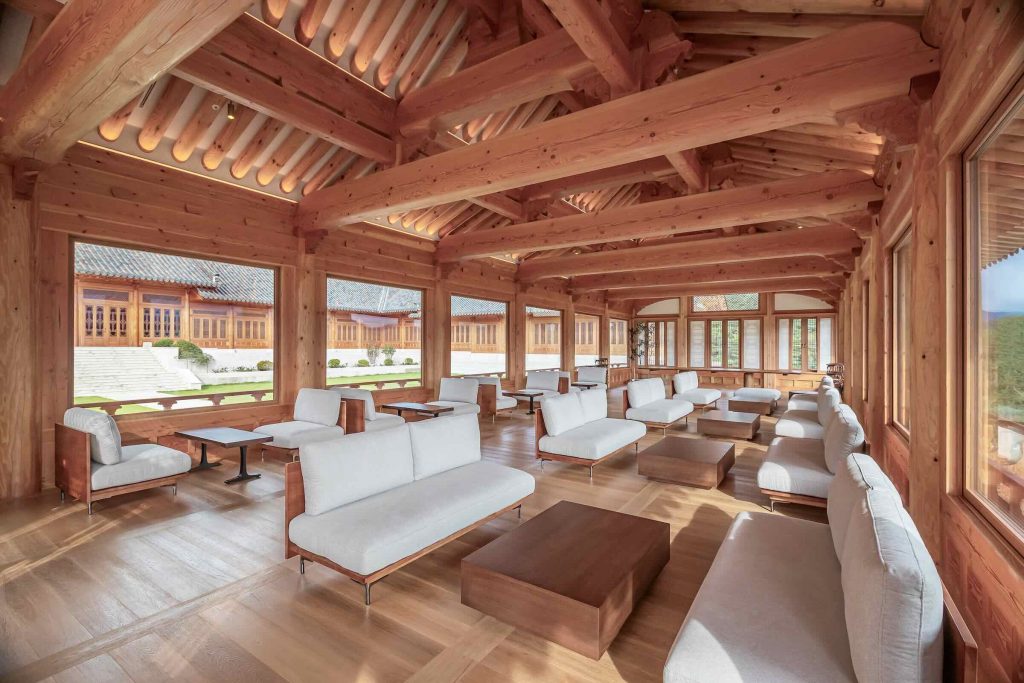
On the exterior, the hallmarks of Korean hanok architecture come to the fore. Natural materials such as wood, stone, and earth are favoured, topped with gently sloping roofs and clay tiles that fluctuate in colour from their firing time and temperature. Inside, columns, crossbeams, purlins, and rafters intersect and connect, shaping distinct patterns on the recessed ceiling.
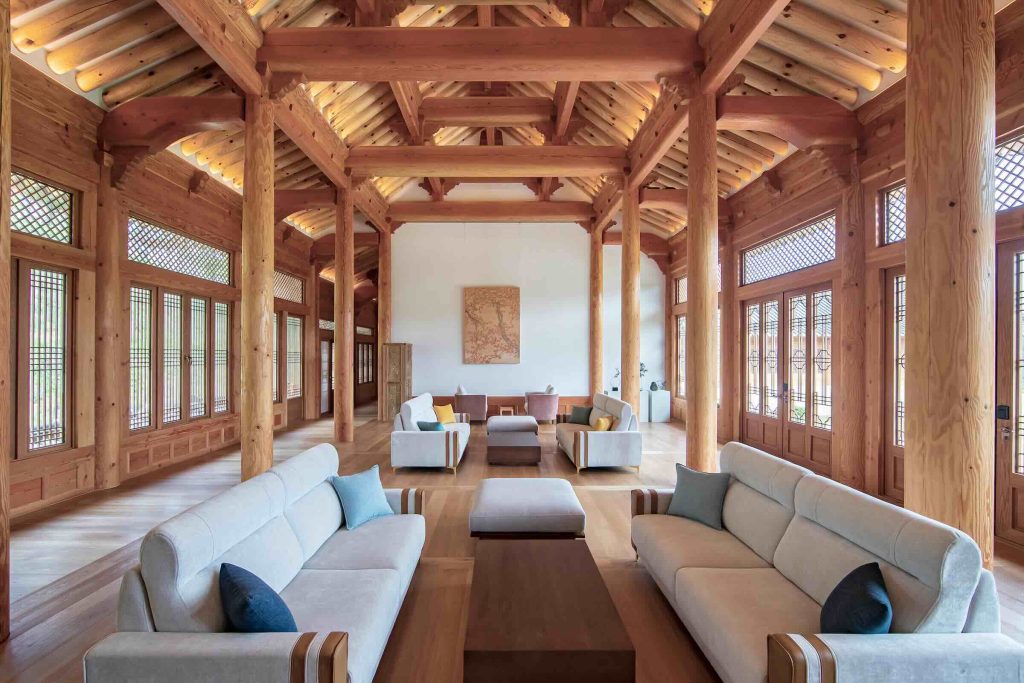
Central to The Hanok Heritage is its visionary approach to innovative engineering. Hanoks, while imposing and admired, are also considered inconvenient due to the high level of maintenance required. Cho recruited a contingent of master craftspeople and artisans to overcome the limitations of traditional hanok architecture, leading to a number of breakthroughs in technologies and techniques. Long hours of studying wood led to the development of an advanced microwave timber-drying application, reducing the arduous process from 10 years to a manageable six months—ideal for a project of this scale. Poor sound insulation, thermal retention, and noise control were other areas that challenged Cho and his team—these were tackled with unique improvements, such as a double-window system to enhance insulation and soundproofing, cutting-edge fibre insect screens designed to keep the bugs out but keep views intact, structural-load-bearing metal hinges, and increased insulation between the rafters.
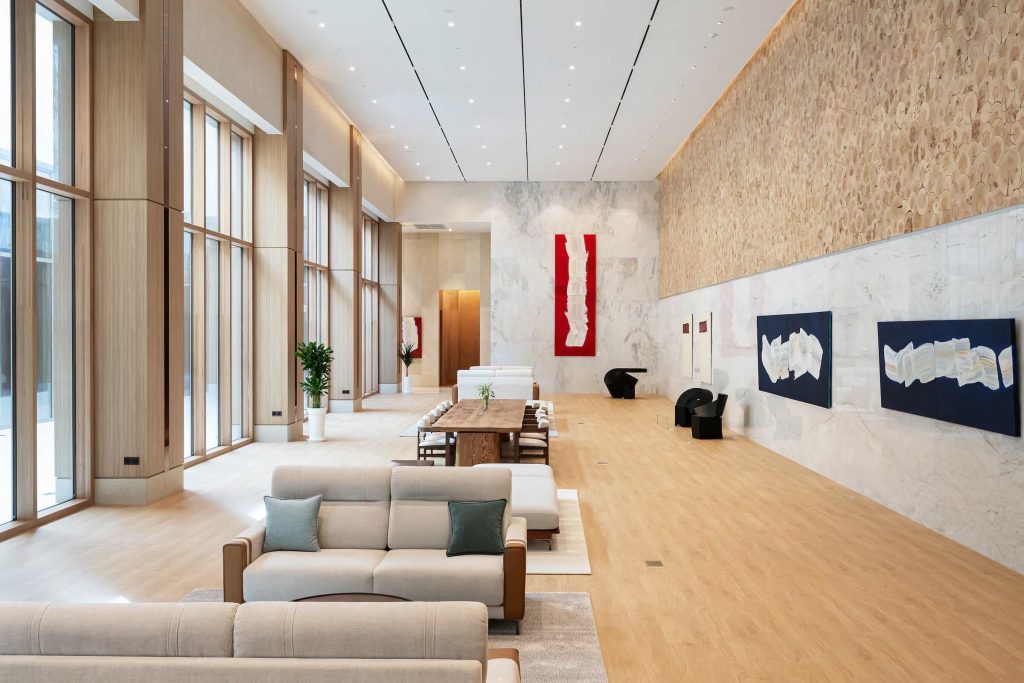
The Hanok Heritage benefits as much from Cho’s drive to pursue improved function as it does from his desire to showcase beautiful form. An intentional minimalism motivates the interior design language, supported by the intermingling of harmonious materials. Hanji paper is paired with marble, exposed stone is paired with wood, and textures are kept soft and natural. Lines are straight and geometric; décor pared back to better showcase the space and nature.
Its architectural and engineering feats have not gone unrecognised by discerning eyes. In 2024, The Hanok Heritage received the top honour in the hotels category of the Prix Versailles world architecture and design award, jointly organised by the International Union of Architects and UNESCO. In the same year, it also achieved the milestone of being the first-ever hanok project to receive a placement at the IIDA Global Excellence Awards under the hotels category. Robb Report Hong Kong has likewise crowned The Hanok Heritage as Best of the Best in Travel, designating it as an example of “Exceptional Architectural Preservation in South Korea.”
However, The Hanok Heritage is far from kicking its feet up and resting on its well-deserved laurels. Soon to come in 2026 are further additions and enhancements to the property, including an expansion to include two private hotel spaces. In March, Chunhajeongsa and Chudongjeongsa will bring 10 more rooms to The Hanok Heritage, alongside top-of-the-line fitness facilities and an indoor swimming pool, underscoring the strong commitment to rest, restoration, and rejuvenation. Come summertime, the property will also welcome the opening of Raonjae, an expansive wellness complex complete with a hanok-style outdoor infinity swimming pool, gym facilities for guests, a spa, a signature restaurant plus a poolside bar, and a gift shop, expanding The Hanok Heritage’s offerings in the wellness and recreation realm.
All of this feeds back to the grand goal of The Hanok Heritage: to build a “global cultural hospitality platform” that’s rooted in Korean sensibilities. Under the three comprehensive pillars of wellness, gastronomy, and culture, The Hanok Heritage aims to usher in a contemporary lifestyle concept that elevates the property from simply existing as an accommodation solution—it allows guests to take part in an organically intersected experience throughout their stay with The Hanok Heritage, shaped by a traditional Korean approach to living.
“Korean wellness” eschews hurried results and rushed processes, instead favouring deep, restorative connection with the flow of nature. Seemingly small daily rituals—such as clearing the mind, tea preparation, journalling, bathing, and walking—are intentional celebrations of mind and body, setting a thoughtful rhythm for daily life. Wellness practices, such as sound baths using singing bowls and the gayageum 12-string zither, Korean heat therapies, and digital detox, infuse the wellness experience with a balance of modern and traditional influences.
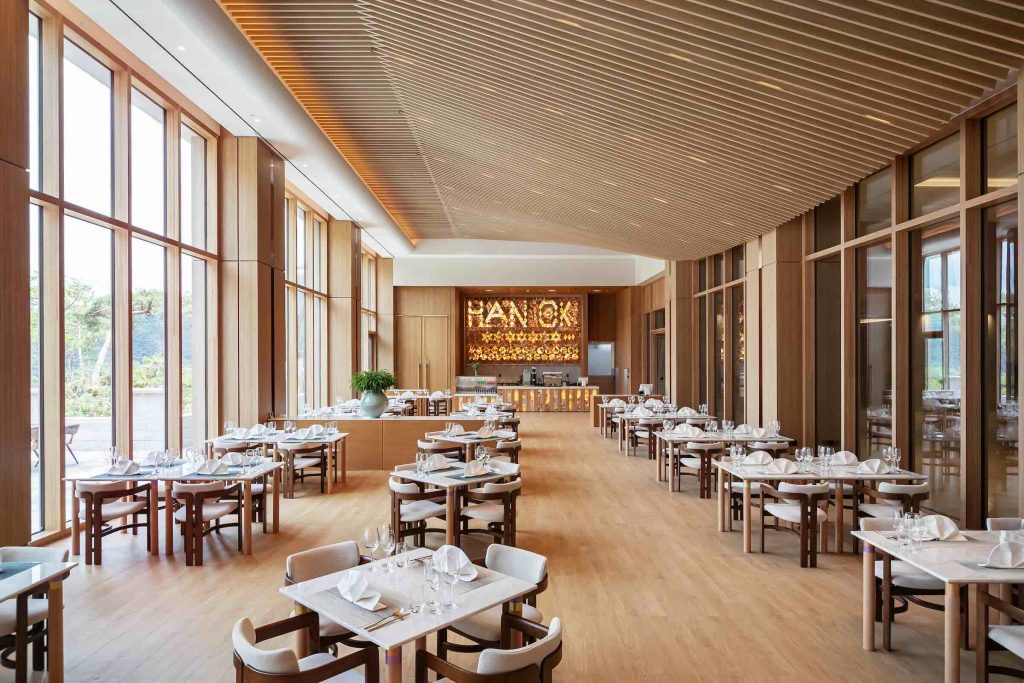
Under The Hanok Heritage’s reinterpretation of “Korean gastronomy,” the act of dining transcends mere sustenance. Following the time-honoured philosophy of yak-sik-dong-won—meaning “medicine and food originate from the same source”—food is viewed as the most effective and fundamental form of healing. Key to preventing illness, maintaining health, and supporting balance, yak-sik-dong-won drives The Hanok Heritage’s culinary spirit, where emphasis is placed on sourcing premium seasonal ingredients that elevate well-being and promote longevity. Meals are transformed into restorative episodes, with personalised dining programmes available for guests to support their bodies and maximise effective outcomes.
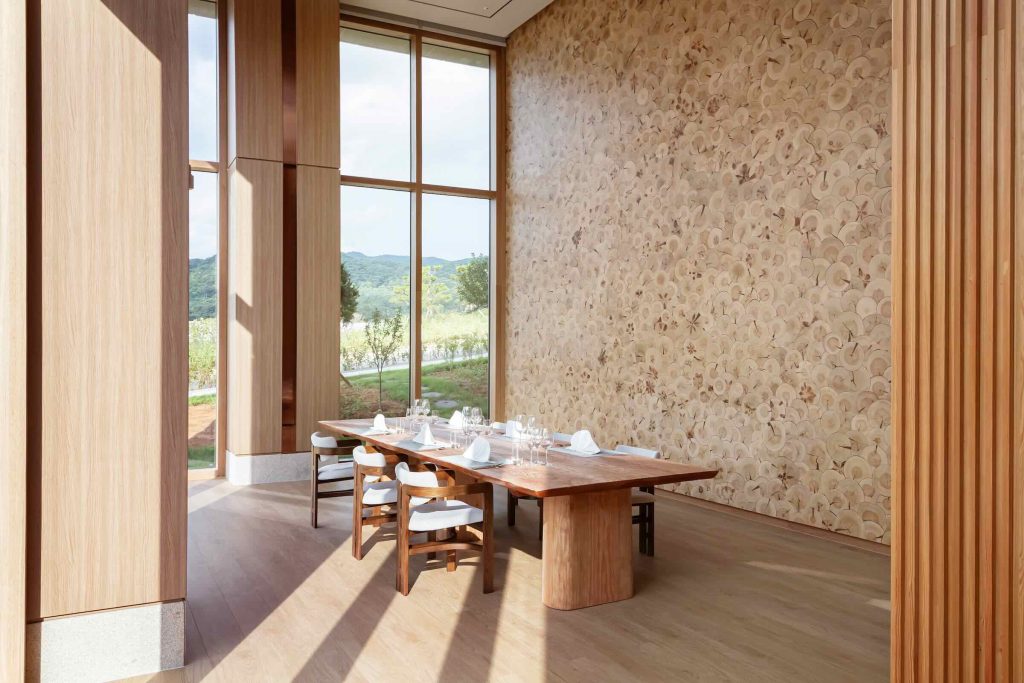
At The Hanok Heritage, “Korean culture” uplifts treasured traditions and craftsmanship, distilling its essence through a contemporary lens. Performances, interactive and reflective activities, and artisan-driven crafts are brought to life in seamless harmony with the guest experience, showcasing the values, qualities, aesthetics, and depth of Korean culture.
Designed to inform, inspire, and transform, the “global cultural hospitality platform” is part of The Hanok Heritage’s greater aspiration of creating a nurturing environment in which traditional Korean culture can thrive within a “new heritage” context, allowing travellers local and international to connect with and cherish this unique destination on a profound level.
Learn more about The Hanok Heritage’s mission at thehanokheritage.com.
All images courtesy of The Hanok Heritage.