


What is wellness? Once a call for deeper attunement of personal well-being and mental health, in the wider landscape of lifestyle today, the term and intention of wellness has morphed into a commodity, an identity support used as a stake in the ground to declare one’s positioning in the race to “stamp” oneself with awareness and align one’s brand with core beliefs that resonate with consumers. For better or for worse, “wellness” has been appropriated across the board, a fickle term bandied about in hopes of replacing actual meaningful and actionable brand DNA. In 2025, McKinsey & Company reported in its Future of Wellness research that the global wellness industry has hit the US$2 trillion (HK$15.63 trillion) mark, with all generations surveyed responding that wellness is a continued personal priority. But what does the pursuit of wellness actually look like, once you pull back the curtains? It’s more than just the bells and whistles of a good massage, for one.
Banyan Group has long sought to answer that question, and the answer, it turns out, is simpler than expected: Wellness is what heals you in the moment, and the solution can change from moment to moment, day to day. It could be connecting with strangers in the embrace of their culture; it could be learning a new craft and engaging in the activity with intention and focus for the hour you’re doing it—fully present, fully absorbed. It could be an hour-long hike through the wilderness. It could be meditation and yoga. It could be a no-distractions meal. It can be as loud, as quiet, as intensely active, or as silent as one needs it to be. Wellness looks different for everyone, and wellness is ever-shifting.
For Banyan Group, wellness looks like tapping into the essence, the rituals, and the traditions of the local communities that its hotels and resorts share land with. Its long history in China is a prime example of how the brand approaches its synergistic relationship with its host. Banyan Group’s 20-year presence in China has witnessed the rapid transformation of the country. While its surroundings evolve and shift, growing into megacities and hubs of industry, Banyan Group has stood sentinel and witness to the changes as a bastion of preservation. As the question of the true meaning of wellness crops up time and again in discourse online and off, Banyan Group returned to its Yunnan properties in Lijiang and Ringha, where its China story began, to seek the answer among rooted history.
Every story needs a beginning but a blank page is often the most daunting place to start. How do you create something from nothing? For Ho Kwon-ping and Claire Chiang—co-founders of Banyan Group—the answer was through exploration and travel.
Claire Chiang is a force of nature. Affectionately called Mrs Ho, her insatiable curiosity, relentless passion, tenacious drive, astute business acumen, and uncompromising stance drives the soul of Banyan Tree. As its co-founder, she has sculpted the shape of the brand and guided it along each step of its 30-plus-year path. If something doesn’t feel right, she won’t do it, and she won’t budge on her beliefs, either. Chiang is also an incredible storyteller. Armed with anecdotes that would not feel out of place in the most riveting of novels, she weaves a tale of traversing China in the 1980s, rattling across the country on cramped train carriages in the company of chicken, geese, and ducks. She recalls a time when she over-ordered dumplings at a stall and became the public spectacle of passers-by as she tried to tackle the mound of food, of the harrowing journey to Chongqing aboard a ferry that traversed the imposing Three Gorges. Across numerous decades and trips to China, Chiang had seen first-hand the country’s metamorphosis, eventually playing a part in its development, even, by growing Banyan Group on Chinese soil to encompass close to 40 properties. It was her lived experience that allowed a clear vision to emerge and fill the gaps, weaving a narrative for the foundation of Banyan Tree Ringha in Shangri-La.
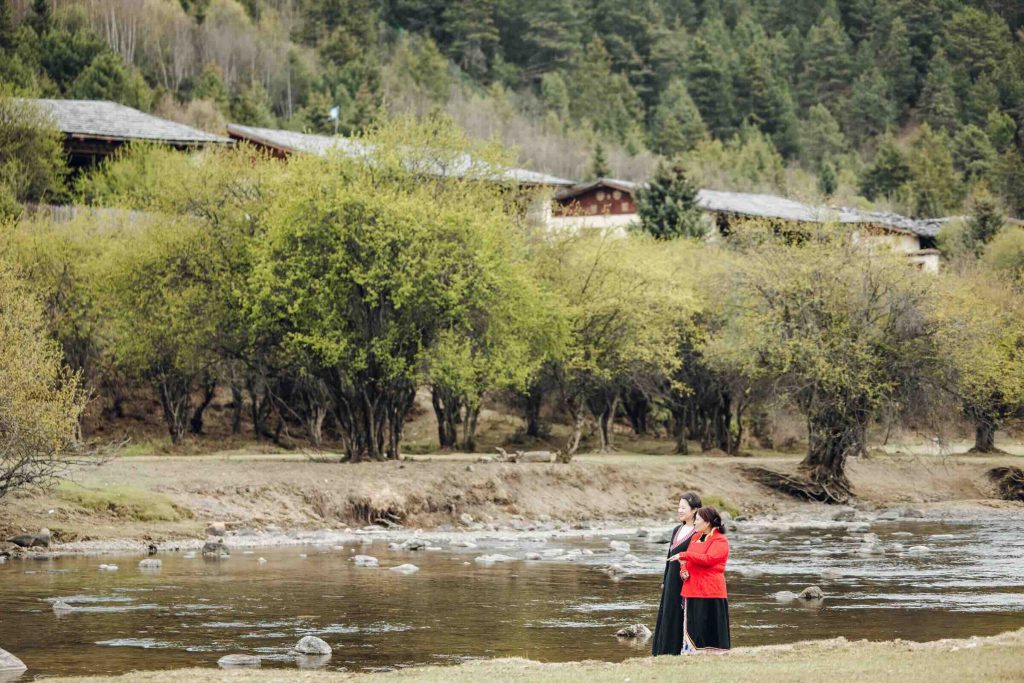
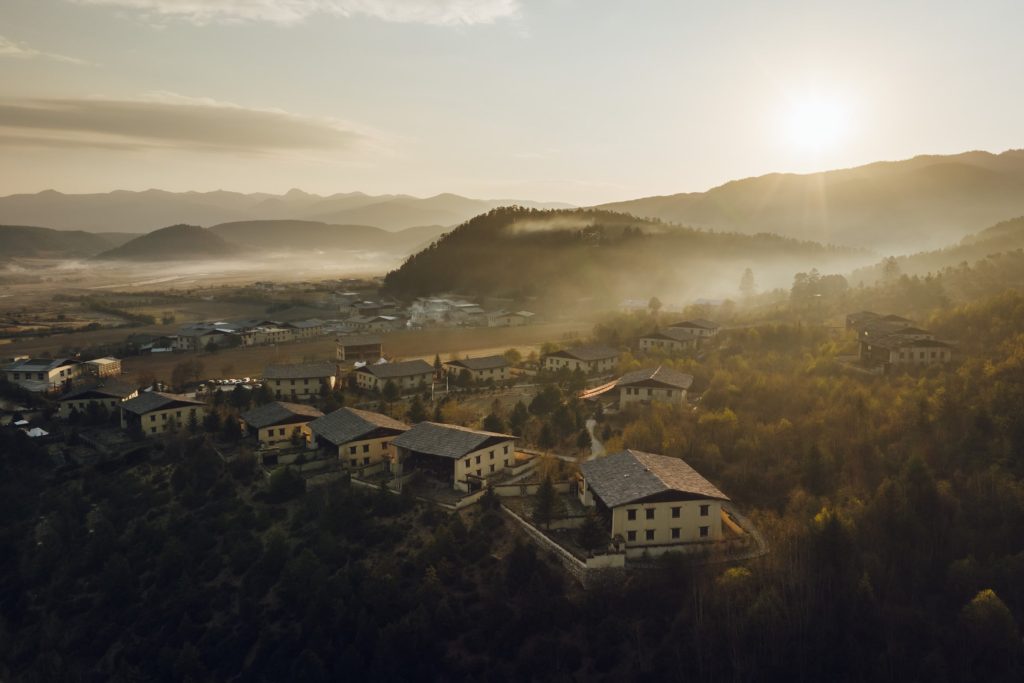
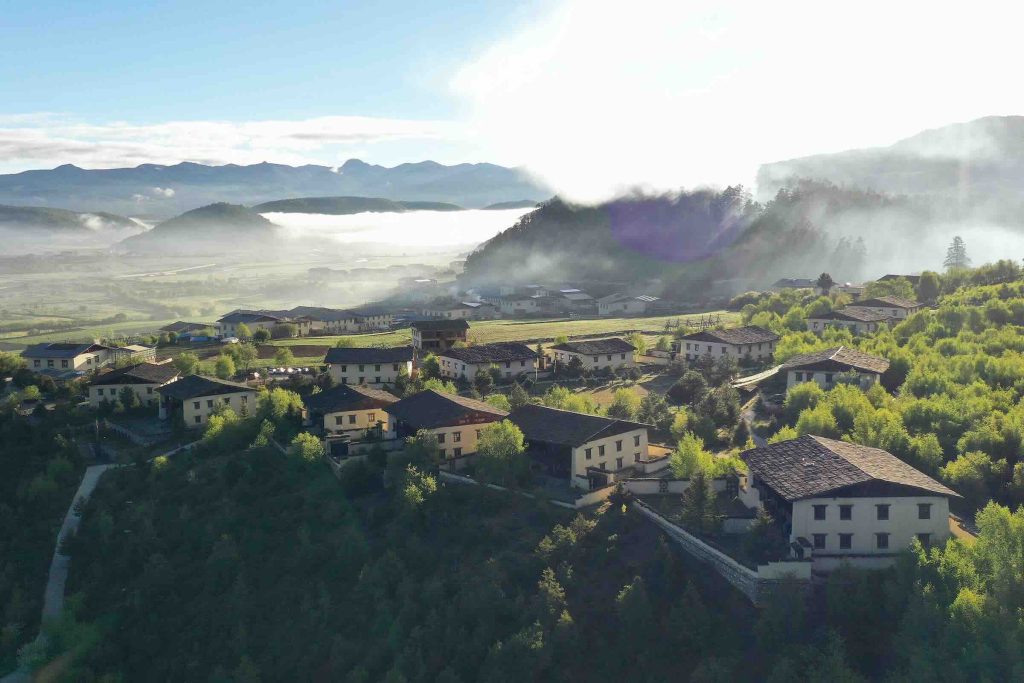
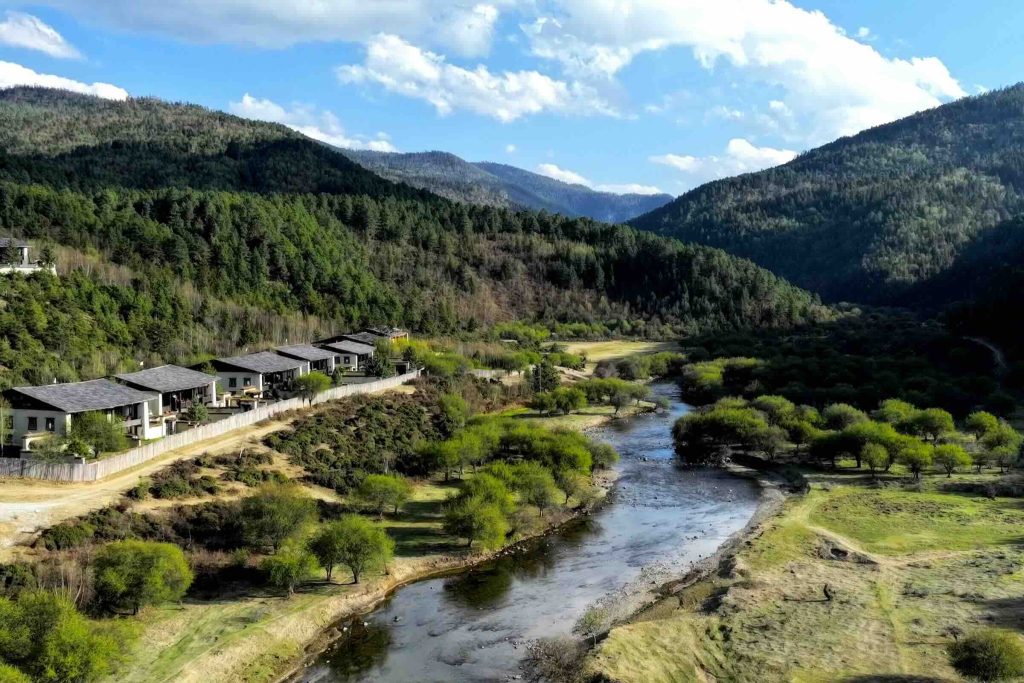
Shangri-La in Yunnan is a mercurial place. In this mountainous land, the weather plays by its own rules—it may shine for two seconds then rain the next, or be swaddled in clouds for hours. It’s a challenge to think of Shangri-La—once named Zhongdian—as a paradise on Earth, even after it was retitled after the fictional utopia popularised in British author James Hilton’s Lost Horizon. Shangri-La suffers from a common urban plague: perennial construction. Piles of rubble, dirt, and boulders sit by the sides of the road, waiting to be moulded into a structure. Cement mixers stand sentinel. No, it’s safe to say that modern Shangri-La—the urban, new-town part of it, at least—didn’t quite live up to the Edenic dream, but Banyan Tree Ringha, nestled in the hills 30 minutes outside of the city, does.
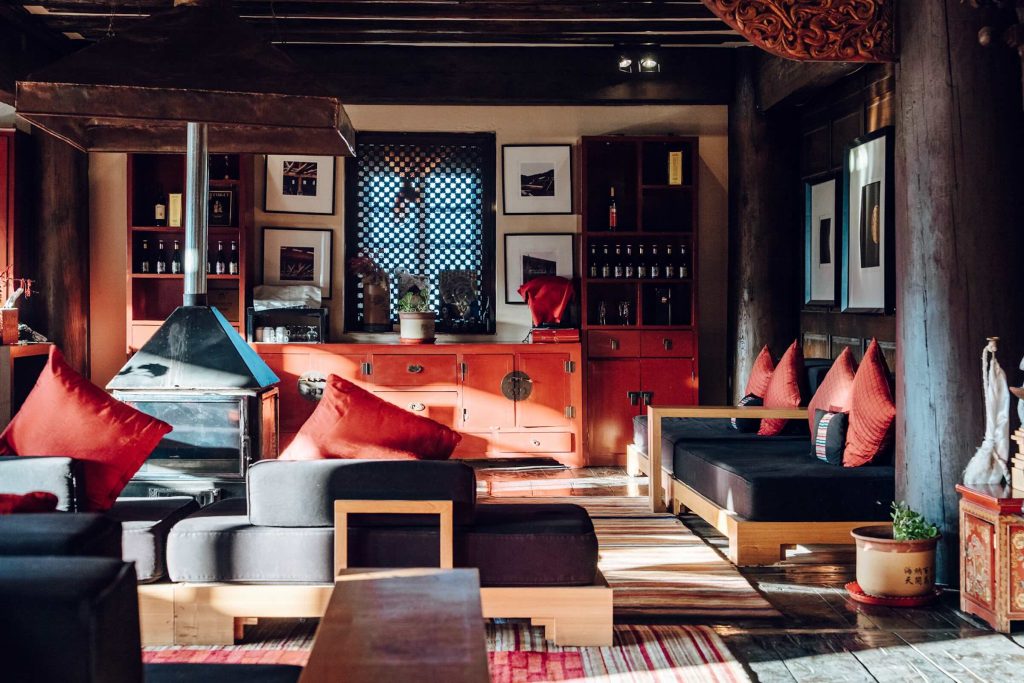
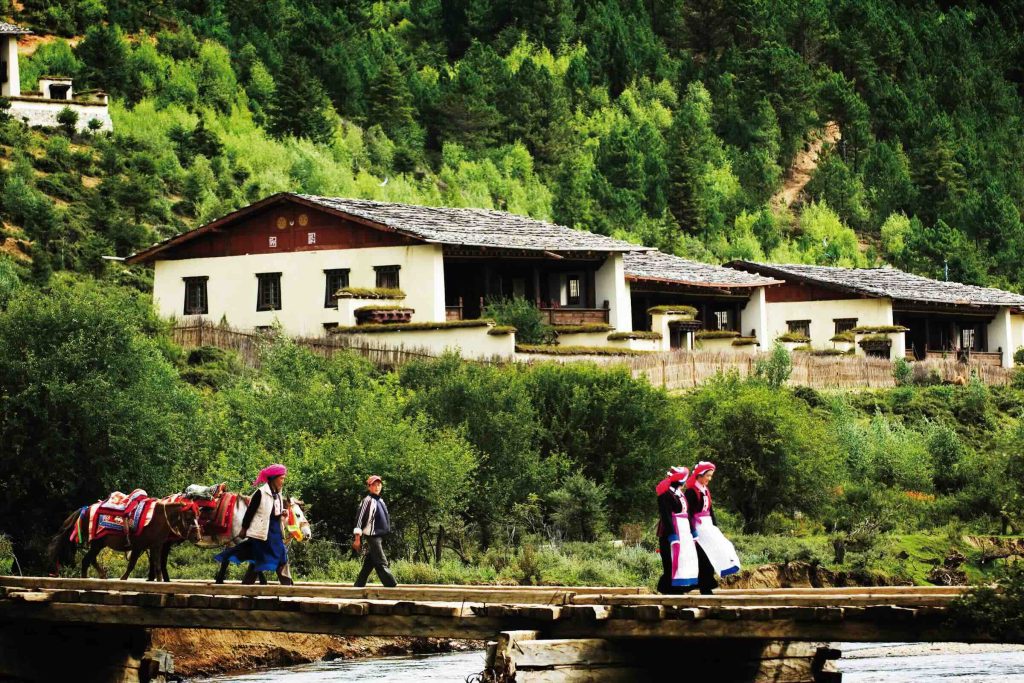
Entering a new—not to mention massive—market with a hotel in rural Yunnan is a bold move. Most brands might seek something easy, something recognisable, something urban. Not so Banyan Tree. Launching this property posed a steep learning curve, but Ho and Chiang had by then accumulated experience from doing the seemingly impossible—opening the seminal Banyan Tree Phuket on a piece of land that was contaminated, abandoned, and deemed hopeless and “undevelopable.” Rehabilitation became their strength. In Ringha’s case, their sights were set on 18 traditional Tibetan farmhouses, once home to nomadic families. Meticulous restoration followed, preserving the generations of stories and heritage that had been carved into stone and wood. Painted in bold strokes of vivid red, dressed in rich textiles and patterns, and adorned with dark timber, this is architectural resurrection at its finest, without compromising on essence and character.
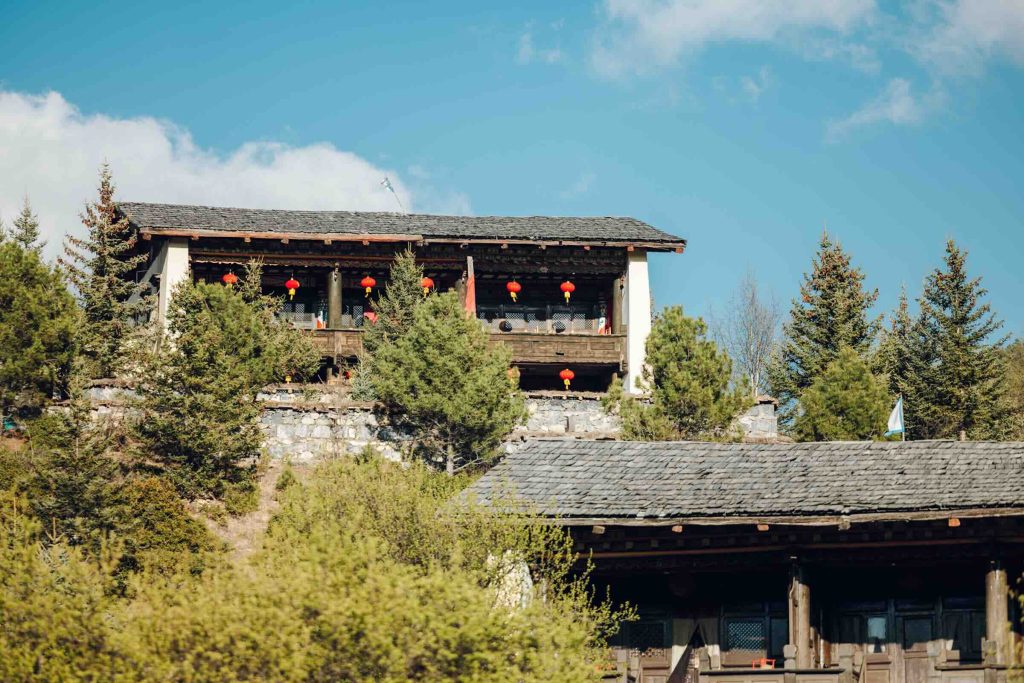
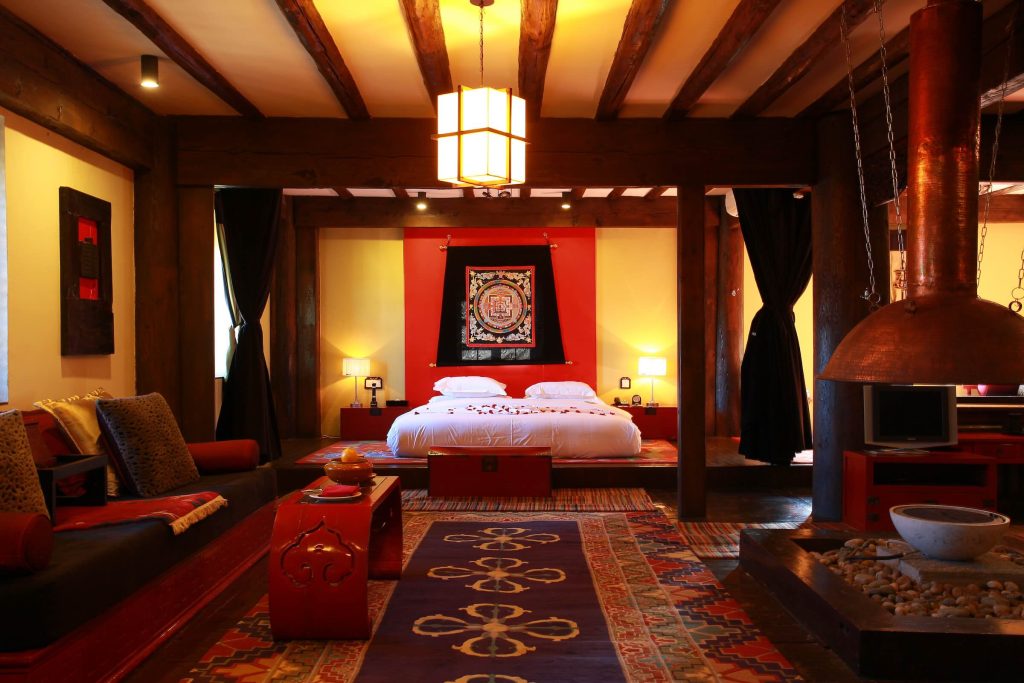
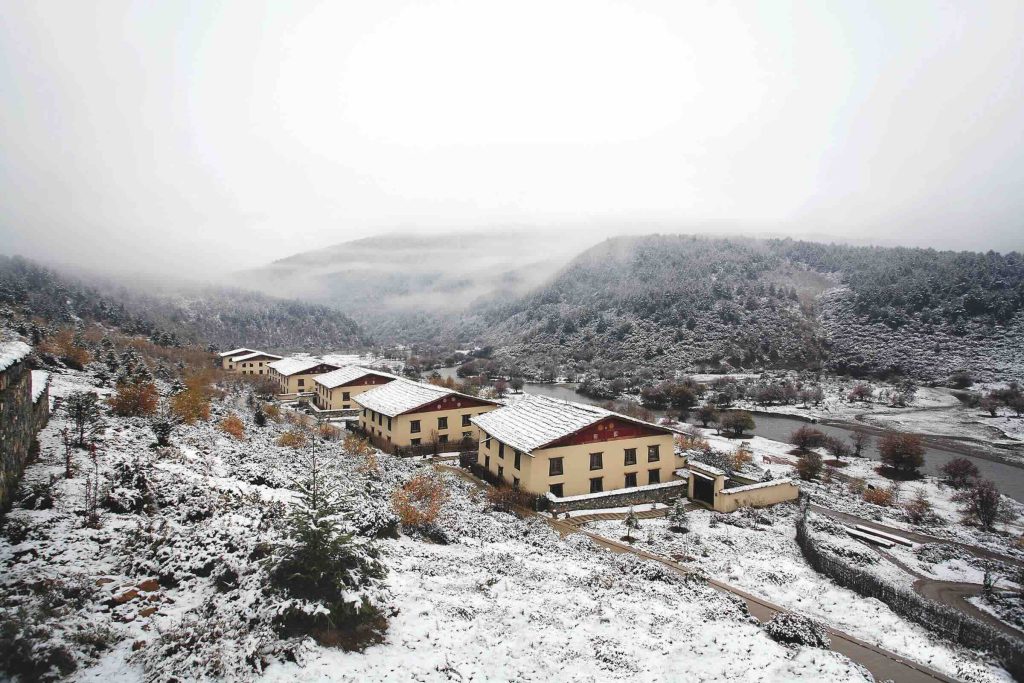
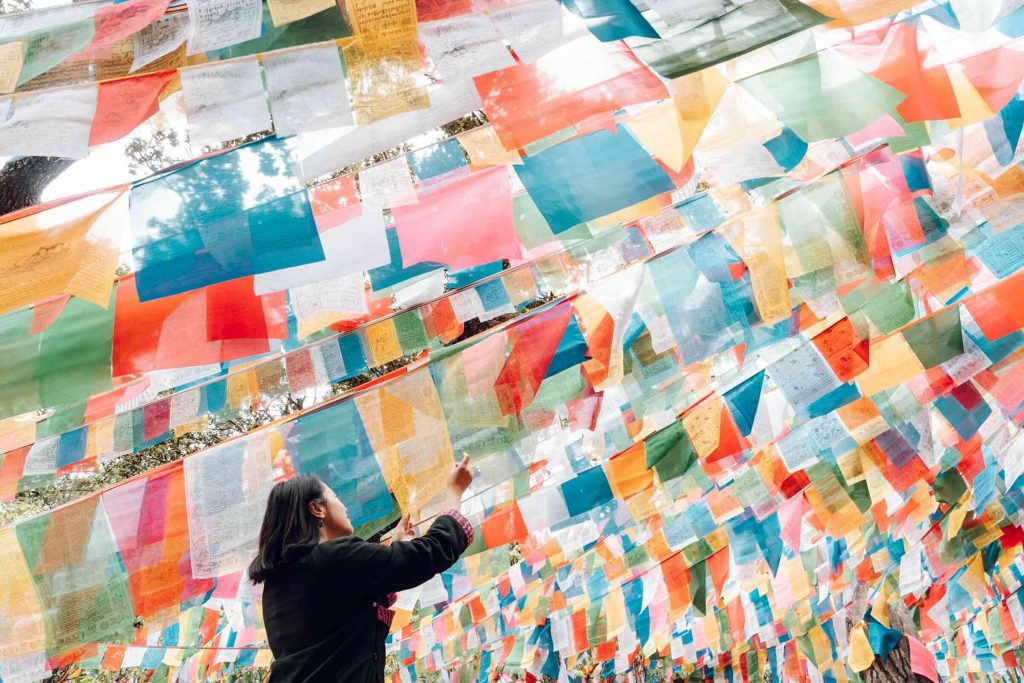
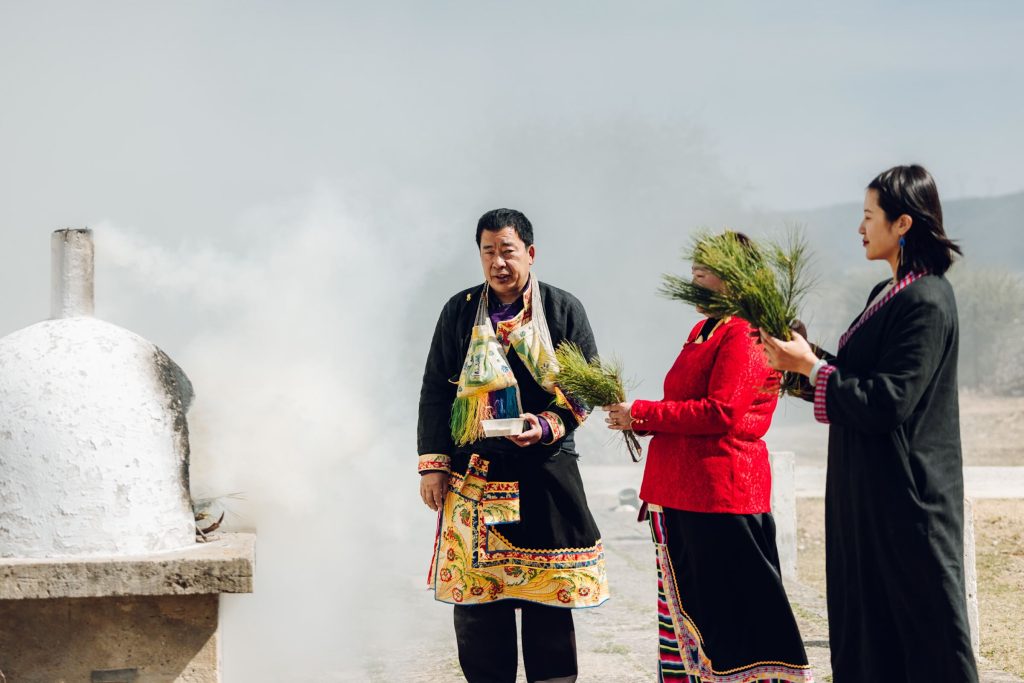
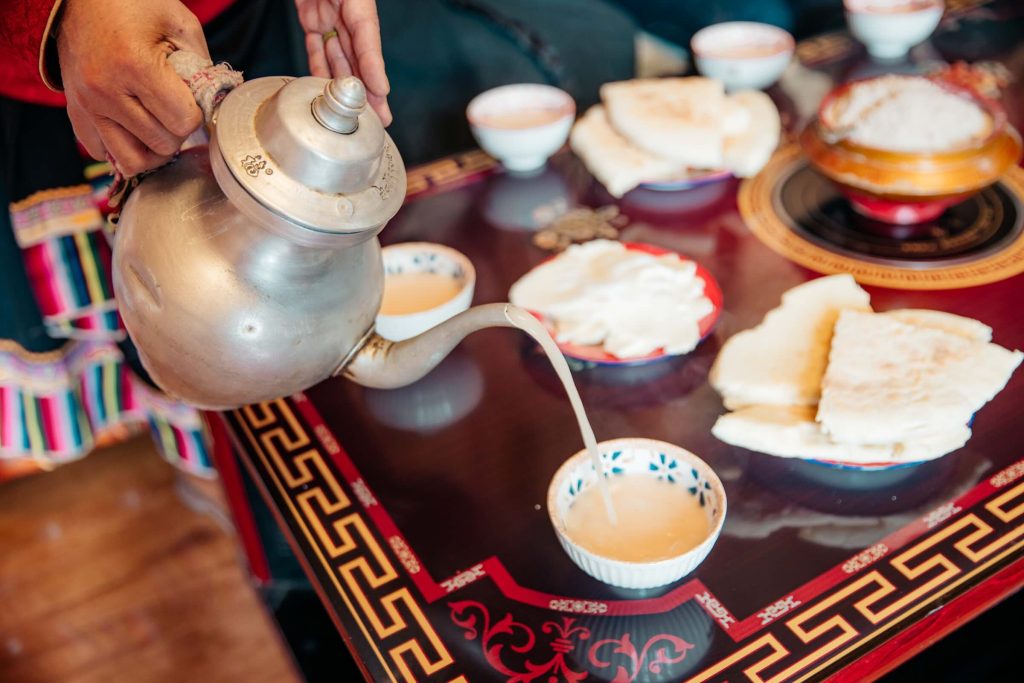
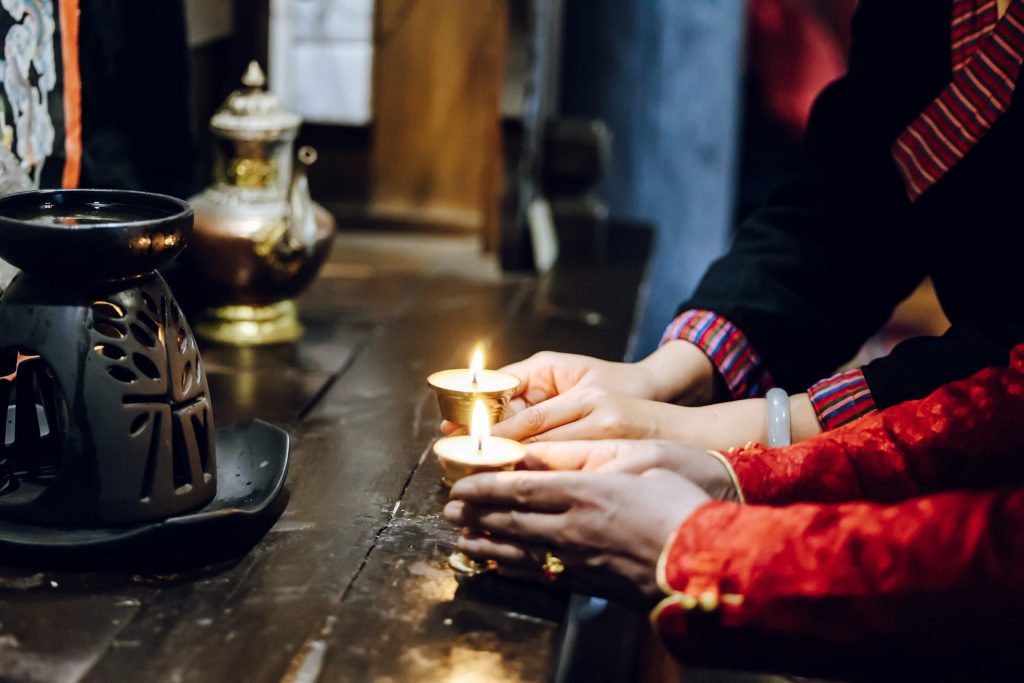
In Banyan Tree Ringha’s embrace, spirit and wilderness feel intertwined, a soothing balm to the soul. It’s a still and peaceful place that invites contemplation—imagine long spines of mountain peaks swathed in clouds, the Ren’an valley humming with the rush of the Shudu Gang river—but the allure of the destination extends past physical beauty. It calls for genuine immersion in culture, tradition, and connection. Guests can gather in a Mongolian yurt for a dinner of Tibetan copper hotpot and Tibetan barbecue, embark on an experience of seeking the “Eight Auspicious Signs” to discover the symbolism embedded in Tibetan Buddhism, hunt for alpine plants along the Shudu Gang river, and perambulate the grounds of the nearby Dabao temple. One can even strive to become the mortal enemy of yaks everywhere through a steady culinary rotation of yak milk, yak yoghurt, dried yak-meat salad, stir-fried yak—the list goes on. In-between sips of yak-butter tea and bites of tsampa bread, there are lessons on Tibetan Buddhism, local life, and local beliefs in the company of a local Tibetan family, enhancing the stay with layers of storytelling. For wellness of the pampering sort, there’s the Banyan Tree Spa. Blending physical rejuvenation with spiritual enrichment, the treatments harness the nourishing qualities of indigenous ingredients, highlighting the bounties of Yunnan. Initiatives such as the Clean Mountain Programme establishes accountability, turning Banyan Tree Ringha into a guardian of the destination.
When night falls, it settles like a blanket dotted with stars, and affable animal neighbours make their presence known, their bleats echoing across the hills. In this cradle of meadows and mountains, Banyan Tree Ringha’s promise to support authenticity and sustainability is palpable, and the encouragement and empowerment to choose your own stepping stones to your personal well-being are deeply felt. Rooted in compassion and reverence for the environment, Banyan Tree Ringha serves as a bridge between the ancient and the modern, the luxurious and the rustic, speaking to the transformative power of place.
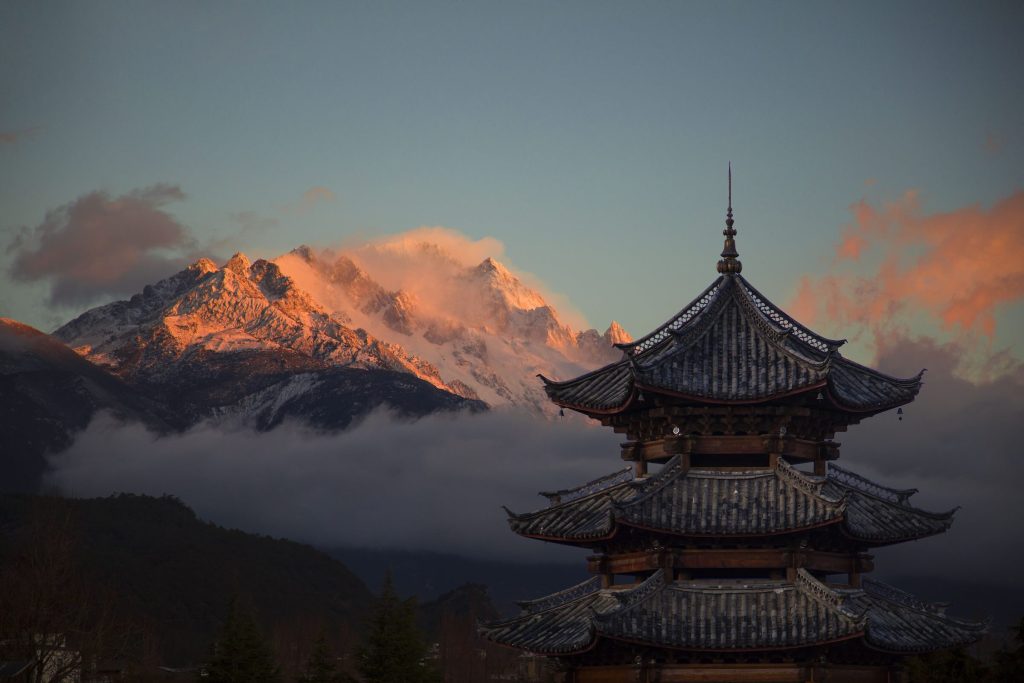
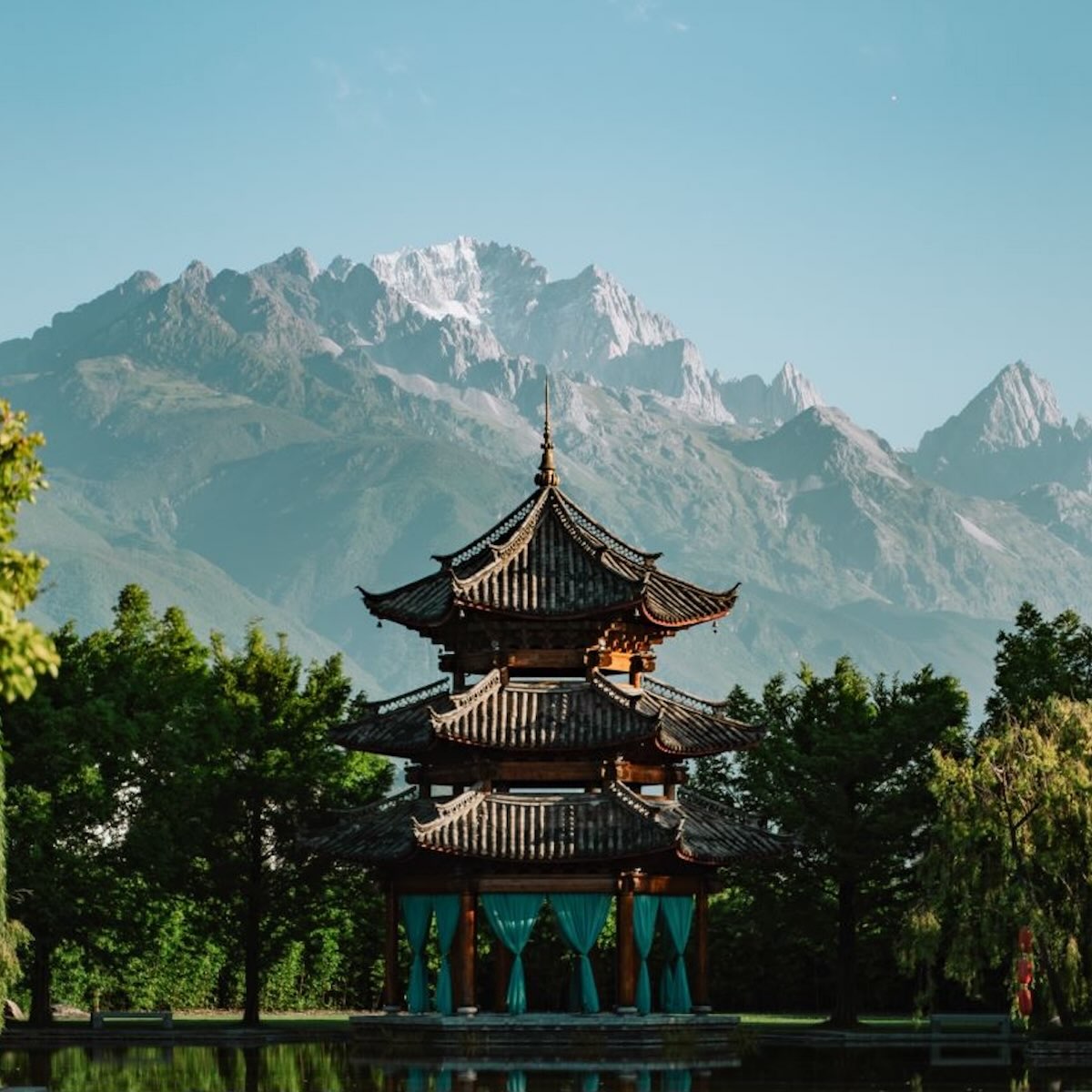
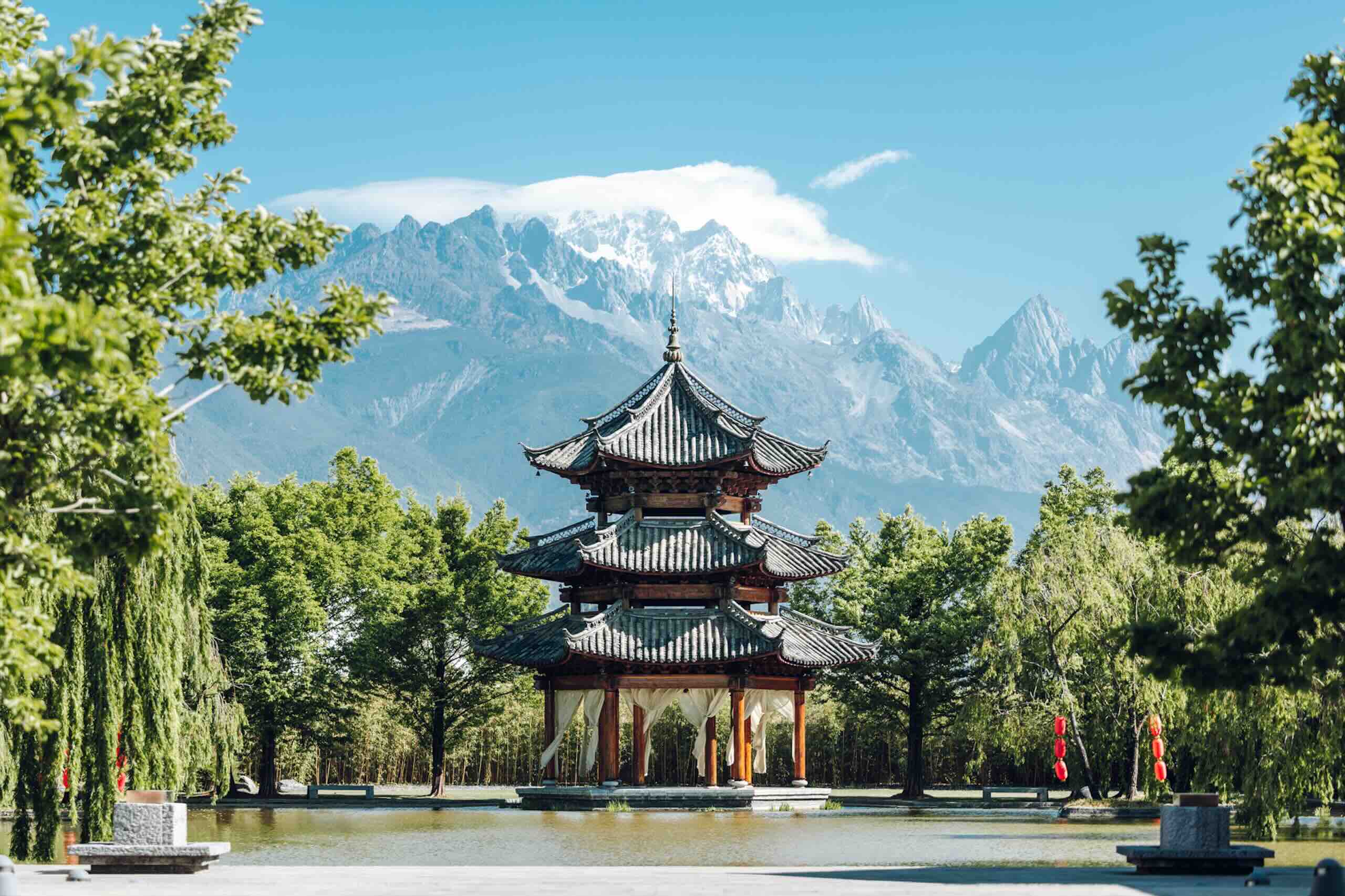
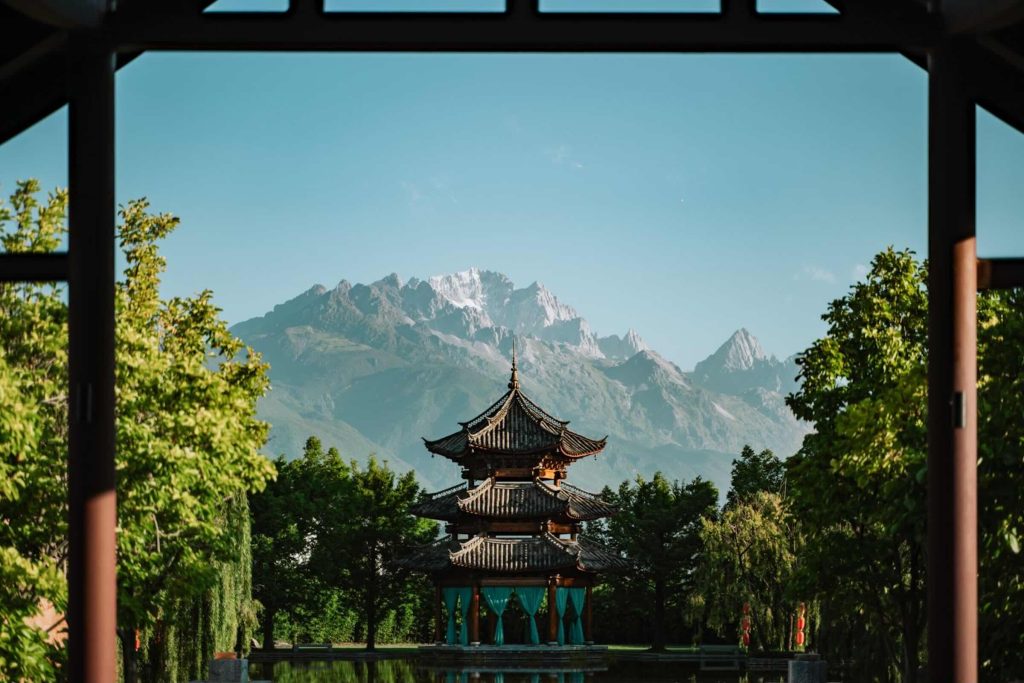
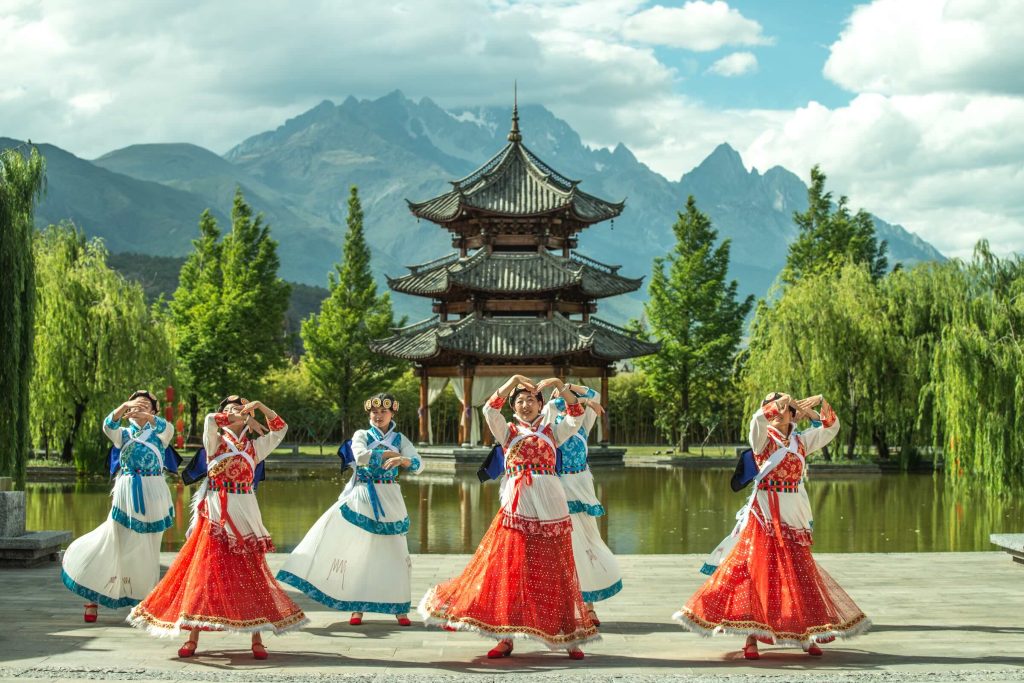
Not long after conquering Shangri-La, along came Banyan Tree Lijiang. In the shadow of the Jade Dragon Snow Mountain, a stone’s throw from one of the city’s picturesque ancient towns, Banyan Tree Lijiang is a paragon of cultural preservation. A sense of place is a strong conduit for immersion, and that understanding is strong in Banyan Tree’s sophomore property in China. Embracing the power of discovery, the hotel is designed as a homage to the rich architectural heritage of the Naxi ethnic group, seen in the sloping rooflines and the dialogue between materials and textures. Banyan Tree Lijiang comprises 123 villas and suites, two restaurants and a bar, and a striking pagoda set on an expansive, koi-filled pond—the “wow moment” of the arrival experience. It’s not a temple, but you can feel the reverence the structure holds for the fast-fading culture of the Naxi people.
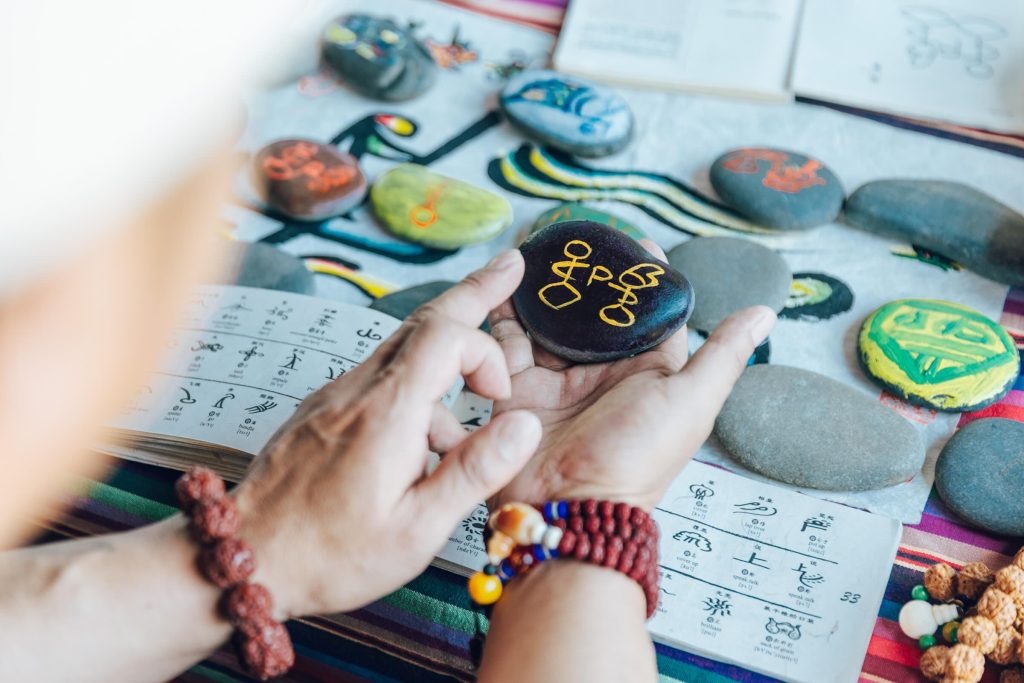
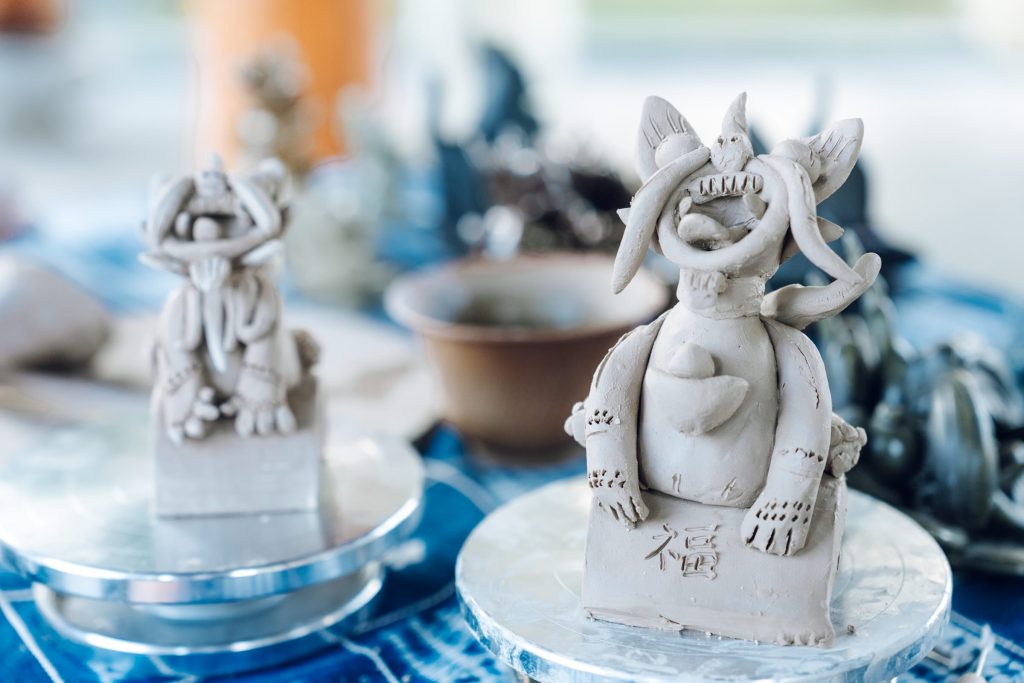
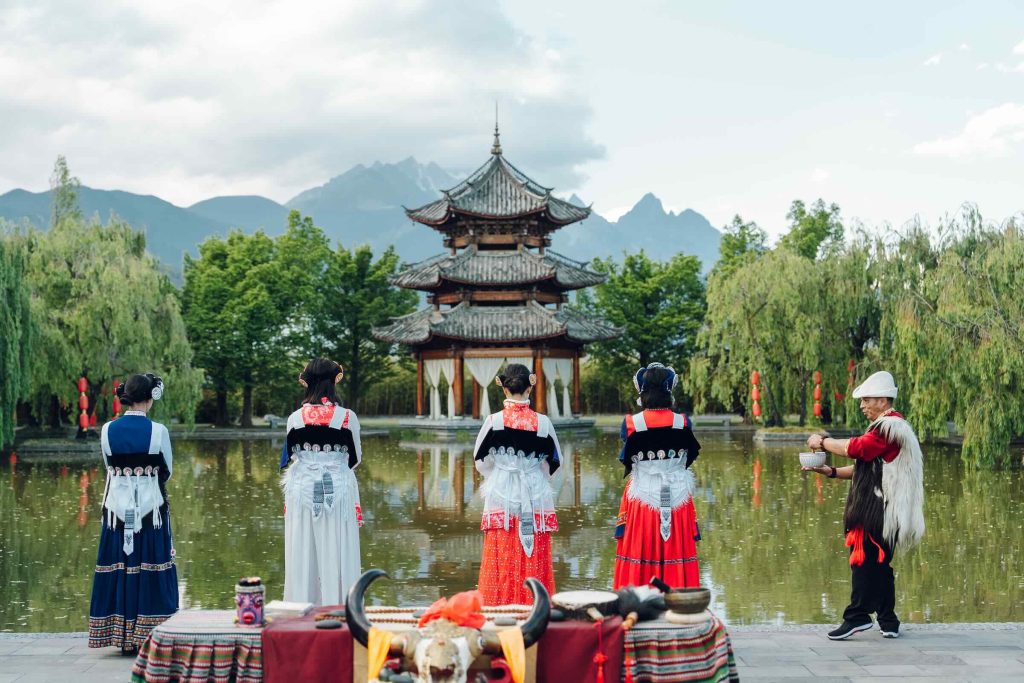
Spend an afternoon with John Duan, a member of the Naxi tribe and a specialist in Dongba, one of the last living examples of pictorial language in the world. Only 10 percent of Naxi people still speak and write Dongba, so this is a rare encounter. While he explains the heritage of his people, Duan multitasks, demonstrating the art of painting on rocks, a traditional creative pursuit in Naxi culture. A man of many talents, he also leads the Naxi prayer ceremony, allowing guests to connect with Naxi traditions beyond mere observation. From stitching Naxi embroidery and crafting tile cats to making recycled paper and cyanotype, experiential workshops are the cornerstone of Banyan Tree Lijiang’s artistic programme. Hands-on cooking classes at the on-site organic farm, Harvest Green, nurtures an appreciation for the restaurants’ farm-to-table dishes, and a keen interest in the vibrant, bustling wet markets that are all over town, honouring Yunnan’s agricultural strength. One hour of admiring an abundance of mushroom species builds a surprising appetite.
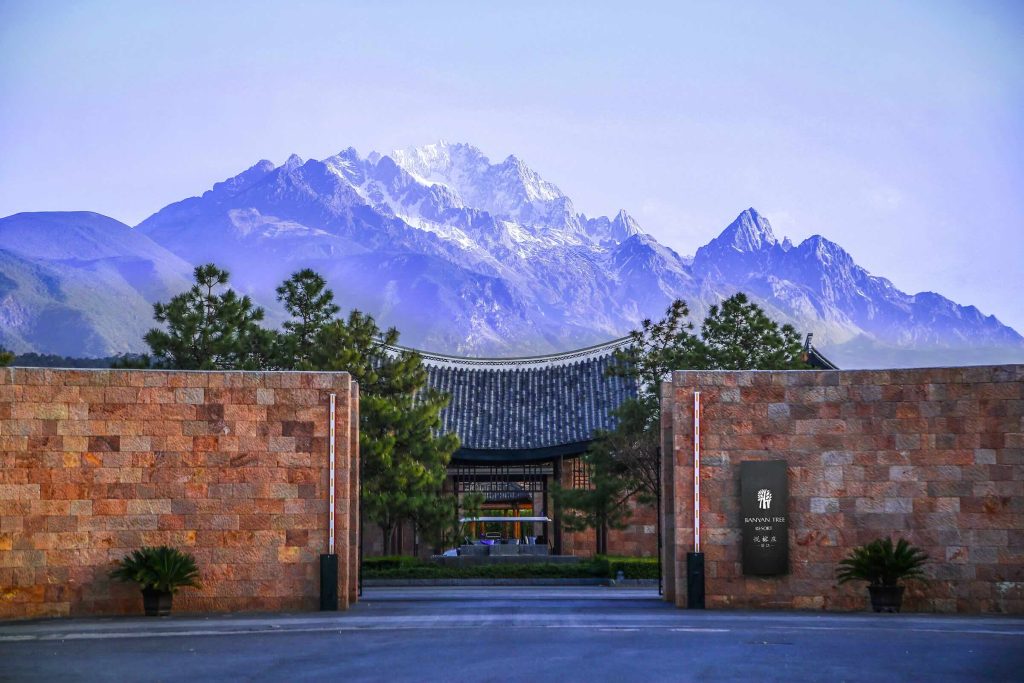
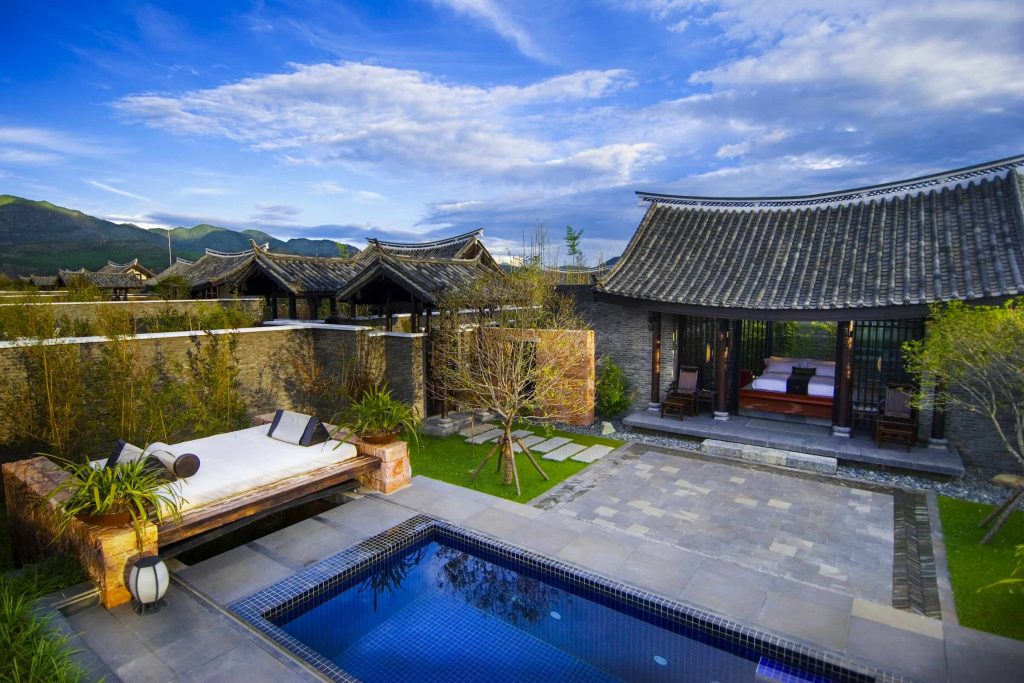
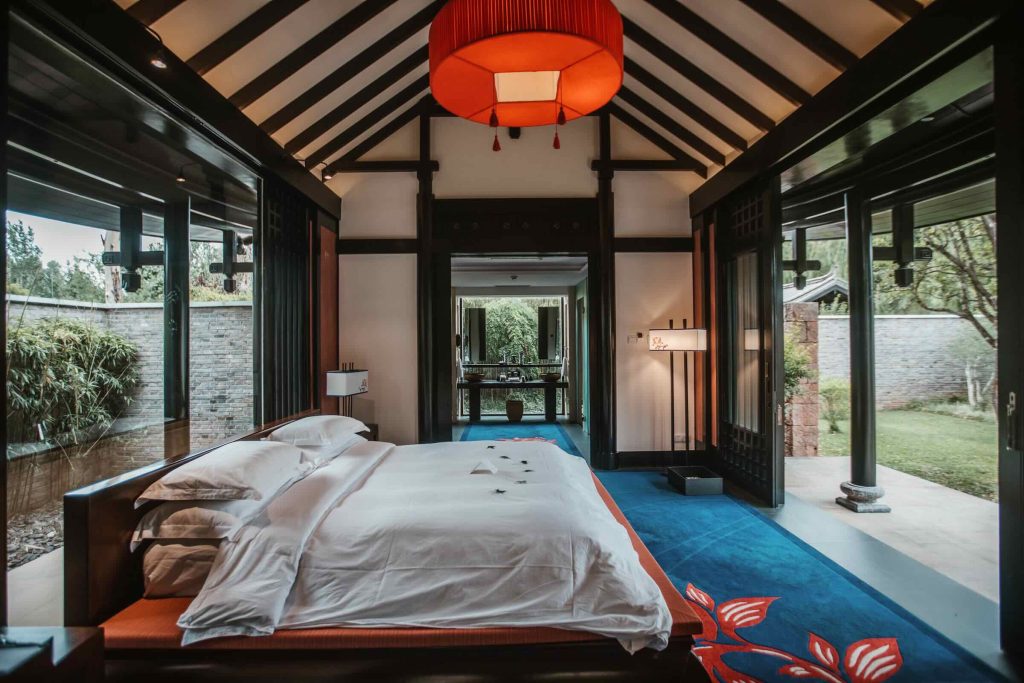
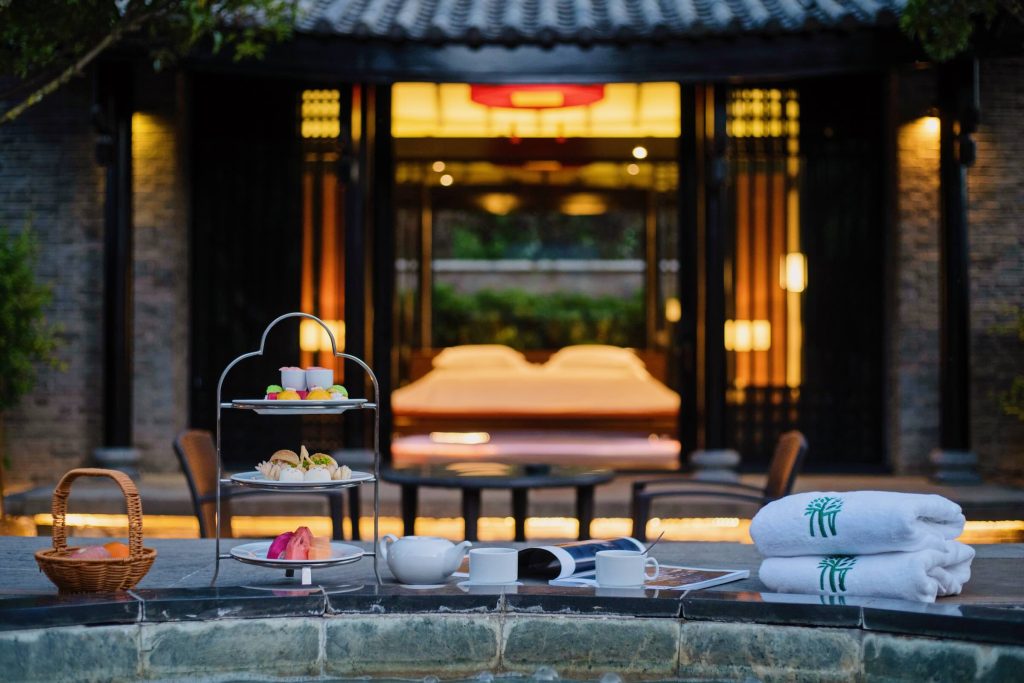
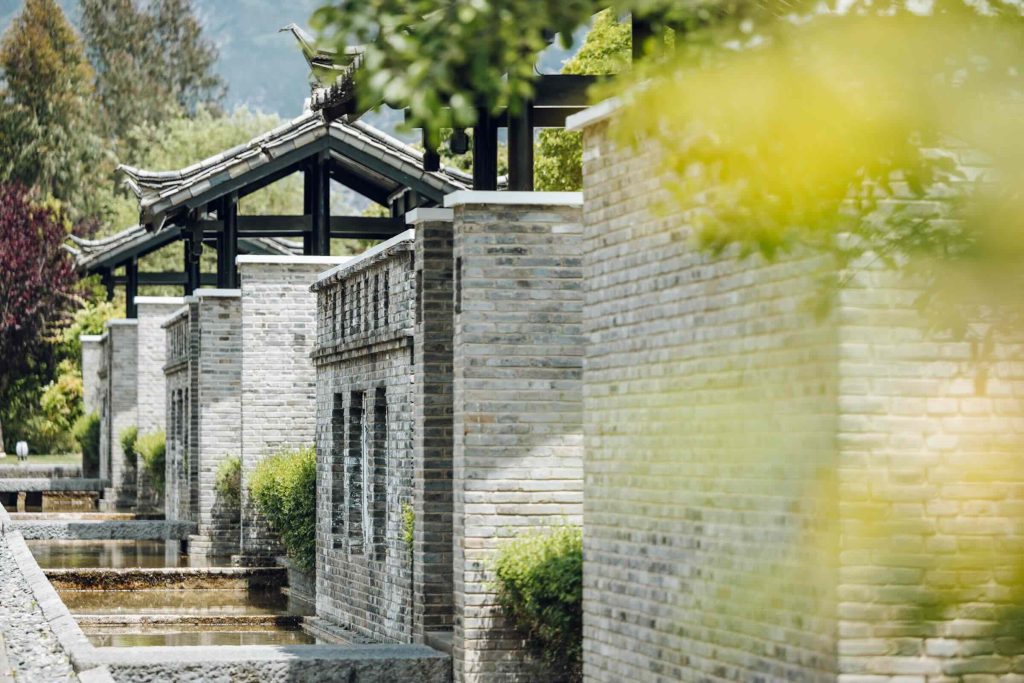
Within the hotel, the Banyan Tree Spa embodies the promise of a “sanctuary for the senses,” merging traditional healing practices with modern techniques to craft journeys of rejuvenation, inspired by local heritage such as the Ancient Tea Horse Road and the rich array of Yunnan ingredients. Outside of the hotel, nature beckons—the Tiger Leaping Gorge, Wenhai, and even the Jade Dragon Snow Mountain are within reach for travellers who feed their well-being not just in the destinations they reach, but in the journeying.
Banyan Tree Lijiang holds a special place in Chiang’s heart. “It means a lot to me, especially because this is the second hotel that we did in China, after Ringha, and it’s really our penetration into China. It made us known in China. It became a case study for tourism schools,” as well as an example for others to emulate. She continues, “And what is beautiful about here is that you can step back in time, but also equally feel part of today. We are always working with that binary consciousness of modernity and tradition. We don’t want to be the past, but we interpret it, always, so that fusion is very much embodied.”
Passion, conservation, diversity, and well-being: these are the key pillars that form the foundations of Banyan Group. “Diversity has become our DNA. Diversity of thought, diversity of feelings, diversity of nationalities, religion, and all that capacity to understand and cohere as people, not as stations, not as races—as people,” Chiang insists.
Banyan Group is shaped by conviction, community, and responsibility. Long before CSR and ESG buzzwords came into fashion, its founders were championing principles such as designing in nature for nature and supporting rewilding programmes. If one tree had to be felled because no other alternative could be found, two were planted in return. In all the places that the brand springs up, there is a partnership between hotel, local populations, and the environment, ensuring that the benefits of tourism resonate beyond its walls. It comes back to a core belief: Banyan Group is not the host—its local community is, and thus promoting and uplifting the local community is the key to long-term success.
Putting sustainability as the first ethos to govern how Banyan Tree operates changed the texture of the company. “We have Stay For Good, Gift For Good, Operate For Good. We have done 19 editions of our sustainability report,” Chiang explains. “We make it a systemic approach in the company. We appoint sustainability champions. We have KPIs.”
Community projects form the backbone of how Banyan Tree gives back. “We have given a lot of opportunity to local communities,” who oftentimes are less likely to receive them at other international hotels because of the language barrier. “We give many hours of language training. I think there is a lot of gratitude from the local community. More than 70 percent of our staff have been with us for more than 10 years. We are totally localised in every region that we operate. We believe in localisation, in empowering the people. We believe in community empowerment through the projects we do, like clean drinking water, planting trees, and creating an ecosystem of mutual sharing or shared economy. We supported about 300 communities already in different parts of the world in doing simple things like weaving, basketry, ceramics, et cetera. We have started up many small companies to become medium-sized companies, exporting their wares.”
20 years is a long time, and a notable milestone. Naturally, an occasion like this calls for celebration, but Banyan Group’s way of recognising the achievement is to give back to the community and strengthen their long-term stewardship. A new clean water project was introduced in Lijiang to commemorate the anniversary, building on the Banyan Group promise. “Over the years, we learnt about the role of business, and how business can be a force of change,” Chiang shared in a roundtable discussion at Banyan Tree Lijiang. “We wanted to build a legacy and a tourism product that can be used as a platform for change, as a force for good. What we then embarked on was that commitment we made, and the continuation of it in a responsible way, in a meaningful way. […] We cannot guarantee what is going to become of the world, but I assure you, we can offer you the Banyan Village. In the Banyan Village, we believe in the notion of care, mutualism, and collaboration.”
Chiang is adamant about substance: “A brand and a property cannot succeed without a soul. Brand is an emotion. It’s not what do you call a signage. It’s not properties. It’s an emotion. It’s how you feel about it, it’s how others feel about it when they come in, how we all feel about the stay, and how do we feel about the experience. You cannot go the cognitive way to help them understand the soul of the brand. It has to be by your behaviour, by example. It’s slow coaching with commitment and love for the people and the culture.”
Is Banyan Tree the most luxurious hotel brand out there? No, but that’s not their goal to begin with. Is it the most exclusive? Also no. But there is something to be said about Banyan Tree being the hospitality voice with the most soul—there’s genuine emotion, there’s connection, and there’s authenticity. Banyan Tree has made a business out of doing good. And what is the reason we travel, if not to learn through new experiences, find connection, and foster personal growth?
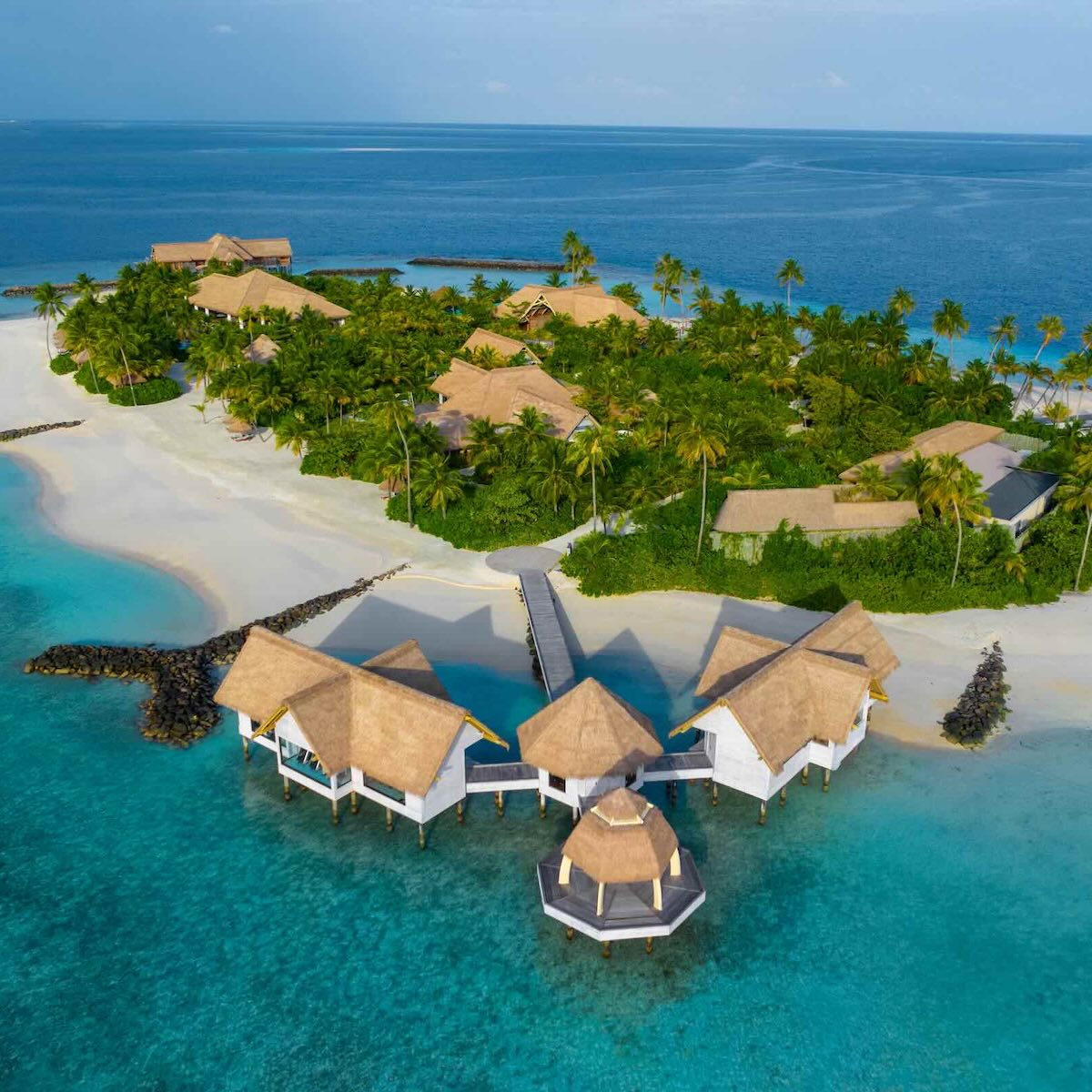
In the lead-up to its 20th anniversary in China, Banyan Tree called its wellness mission to attention with the #ThisRightNow campaign, inviting guests to find the rhythm and ritual that speaks to them in the most authentic manner. Be it the deep silence of the Arabian desert, the melodious chants of monks in the rainforest, or the roar of waves upon rocks, the brand doubled-down on its mission to encourage practising presence and pause.
We all want to be associated with wellness—it communicates to ourselves and to others an undeniable acceptance of self and a search for betterment in a tumultuous world. But what Banyan Tree teaches is that wellness can be social. It can be self-reflective. It can be insular, self-focused, or as socially engaged and present as you need it to be. Wellness can also be found in cultural connection, in engaging with people, foods, crafts, language, and heritage. It’s in tasting the flavours of native communities, understanding their history, and walking a mile in their footsteps to experience their lives for a brief moment in time. From this mindset, Banyan Tree proposes a new notion of well-being: be well and do good.
All images courtesy of Banyan Tree.