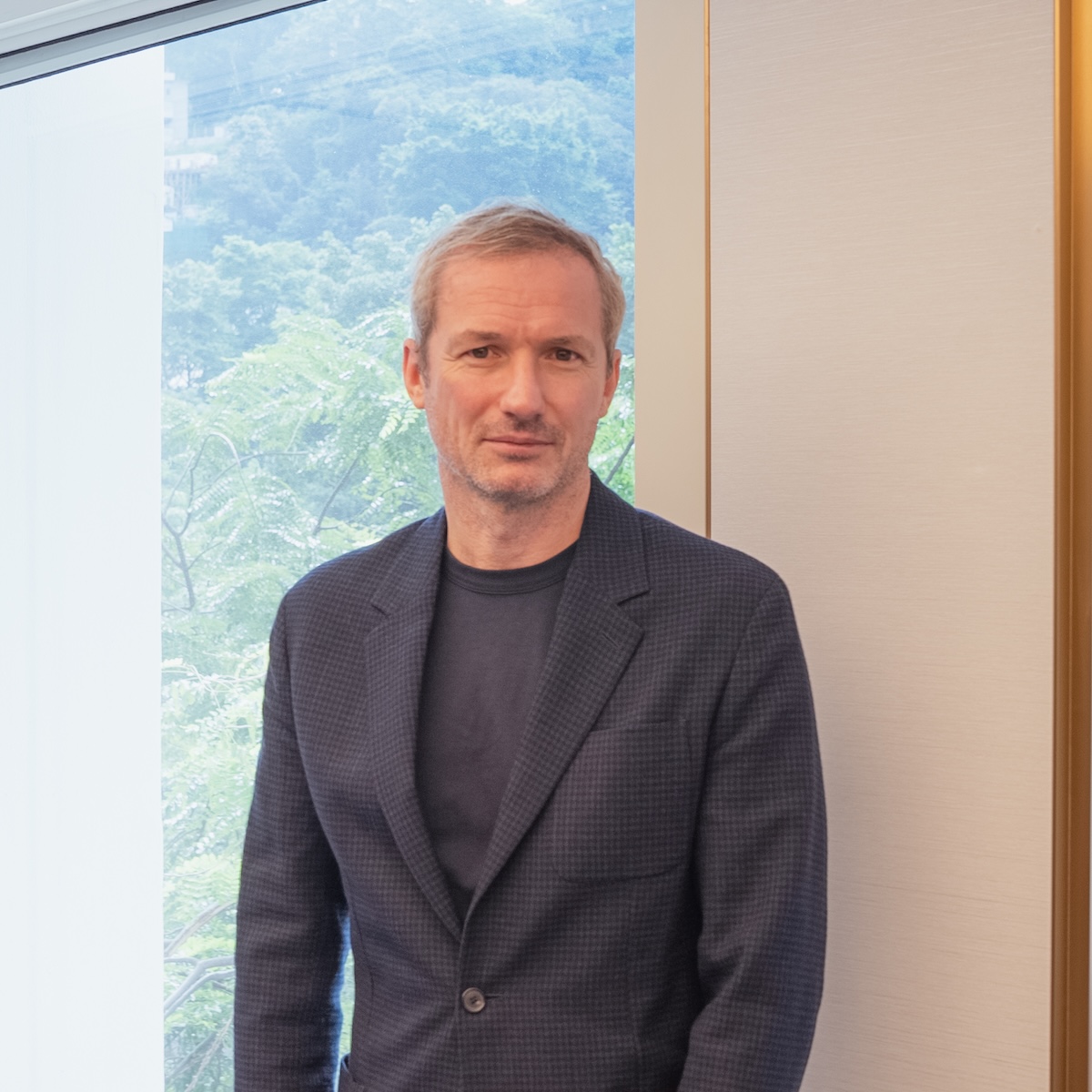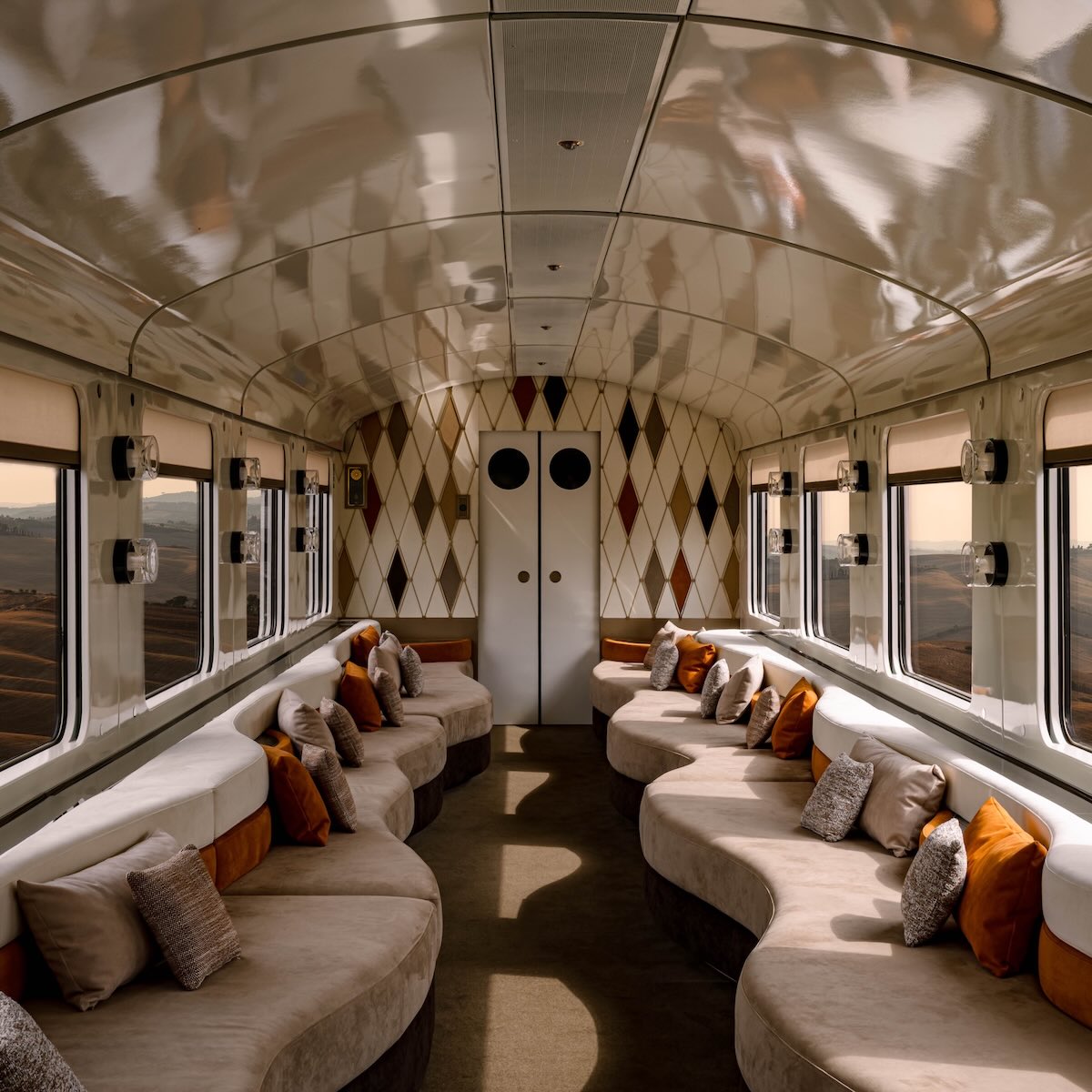



Chris Godfrey has an approach to design that transcends the superficial allure of glittering extravagance, focusing instead on the intrinsic connection between a property and its locale. In an exclusive conversation with Robb Report Hong Kong during his sojourn in Hong Kong for the Leaders of Luxury Summit 2025, the co-CEO of HBA (Hirsch Bedner Associates) sheds light on his philosophy, revealing how he and his team create spaces that resonate deeply with their surroundings whilst seamlessly forging emotional bonds with guests.
Godfrey’s journey into the realm of luxury design is marked by an unwavering commitment to understanding the cultural nuances of each project. “For me, any project needs to be of its place,” he says, emphasising the importance of being deeply rooted in the specific characteristics of a location. A commitment such as this is particularly vital in a global firm like HBA, which operates across 50 countries, each with its own unique identity. By thoroughly analysing the physical and cultural context of a site, Godfrey and his team ensure that each design is a reflection of the local environment, traditions, and narratives.
Dialogues about emotional connection is central to Godfrey’s design ethos. He believes that the luxury experience is profoundly enriched when hospitality environments celebrate and frame their context. In a resort setting, for instance, the focus shifts towards enhancing the natural beauty of the landscape, as “the experience is derived from what is already there,” he explains, advocating for a design philosophy that respects and amplifies existing elements rather than imposing an alien aesthetic. Even in urban settings, where the unique characteristics of a neighbourhood can inspire a bespoke hospitality offering that resonates with both locals and visitors, the same principles apply.
As Godfrey reflects on his early projects, he notes that a successful design emerges from a complex creative process that ultimately yields a seemingly simple outcome. He likens this to cooking, where raw ingredients undergo a transformative journey to create a harmonious dish—this analogy resonates with his belief that a successful design must undergo an in-depth exploration of context before arriving at an authentic expression. “If the outcome is evident and born out of that authenticity, it will be irrefutably correct,” he asserts.
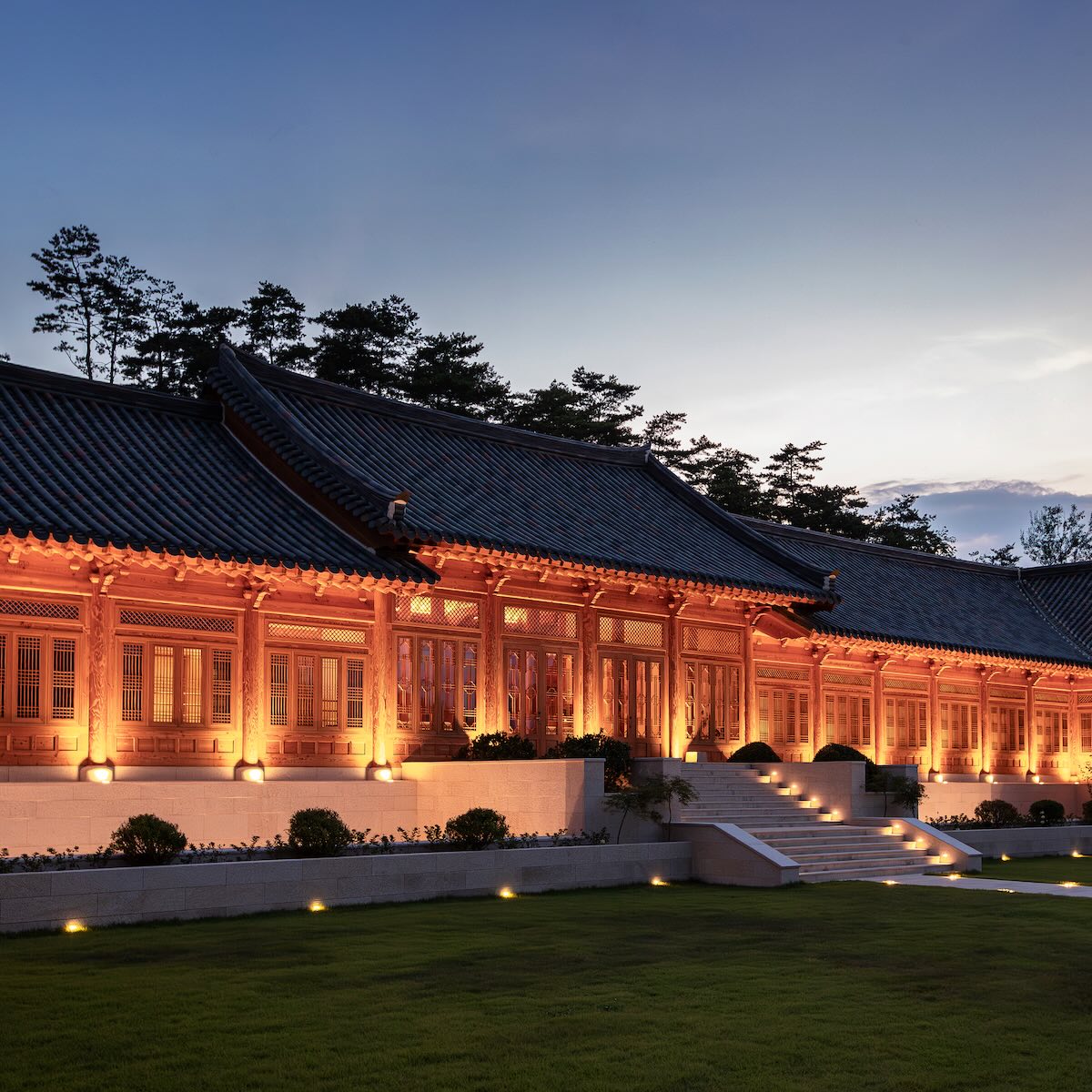
Sustainability, too, plays a crucial role in Godfrey’s design philosophy. Whilst the term has become a buzzword in recent years, he has long championed an ecological approach to design. His commitment to integrating nature and using sustainable materials is not a recent trend but part of a 20-year journey. Godfrey’s experience with the largest solid timber structure in the world exemplifies this approach, showcasing how the materiality of a project can contribute to its sustainability without compromising design integrity. “It was an entire approach to sustainability,” he recalls, highlighting the importance of considering a building’s lifecycle from inception to execution. While the business and industry lean heavily towards what the client wants—sometimes with often differing priorities—Godfrey navigates the challenges of advocating for sustainable practices with conviction. He understands that while some clients may initially resist, demonstrating the long-term benefits of eco-friendly materials often shifts perspectives. “If you can demonstrate that the green aspects positively impact efficiency and cost, clients are more inclined to embrace those ideas,” he says, as conviction can overcome any obstacles in the path. Strategic alignment with client interests not only fosters a collaborative atmosphere but also aligns with the broader ambition of creating spaces that embody a commitment to environmental responsibility.
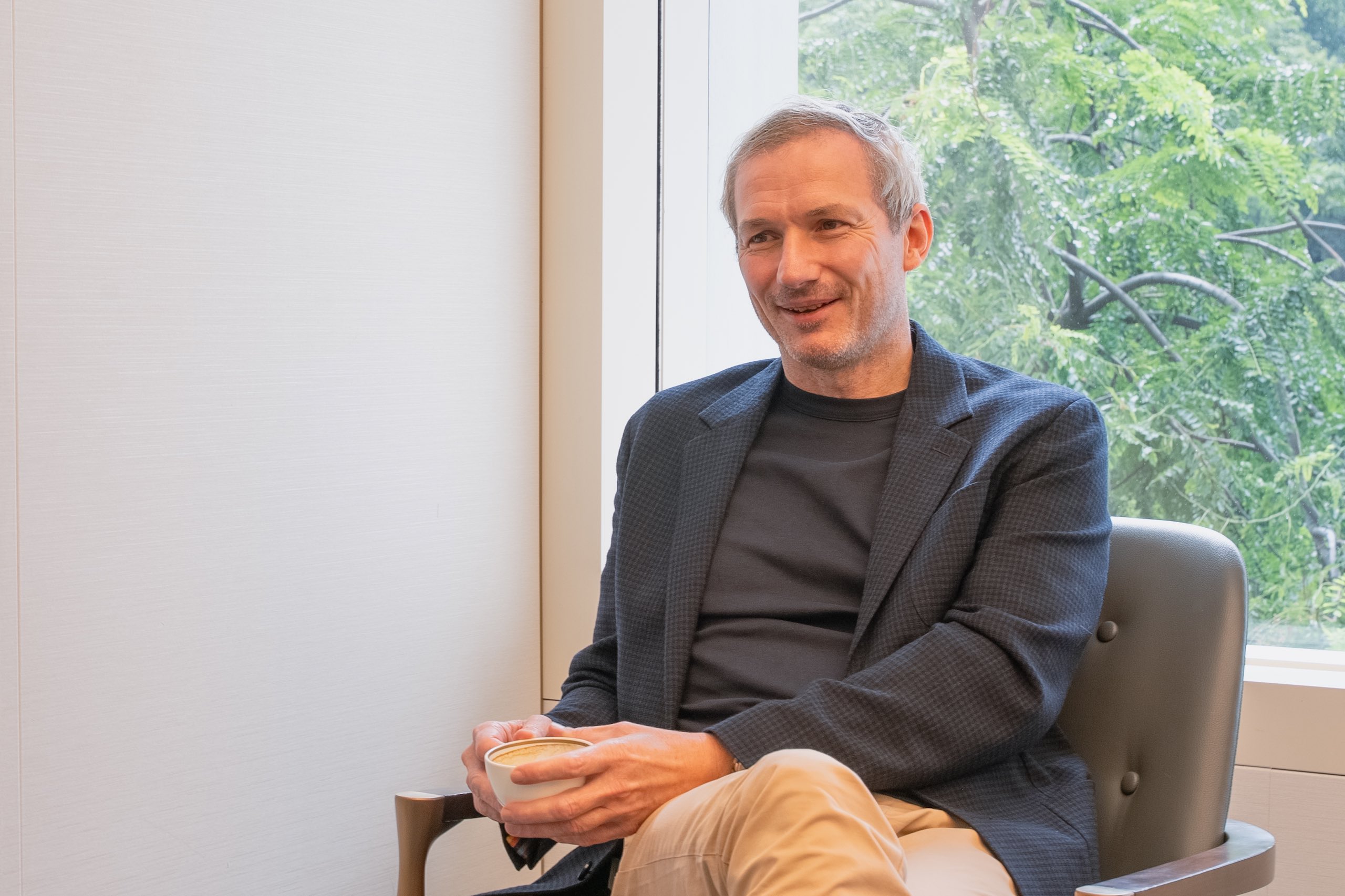
As cups of coffee are brought in, the conversation shifts towards the future of HBA as the firm adapts its design philosophy to meet the demands of emerging markets. Godfrey acknowledges that each geography presents unique challenges and opportunities, particularly in regions such as the Middle East, where HBA has successfully reframed its approach to luxury design. “In Saudi Arabia, for example, we’ve evolved into master planners and landscape designers first, then architects and interior designers,” he explains, allowing HBA to engage more deeply with projects from the outset to ensure that the design process is both comprehensive and contextually relevant. Yet, amidst the challenges of navigating diverse markets, Godfrey remains steadfast in his belief that luxury is fundamentally about creating an emotional connection with guests. He defines luxury not as mere extravagance but as a feeling of peace and comfort. “When we close our eyes and think about that moment in luxury, it’s often about feeling at one with our surroundings,” he muses.
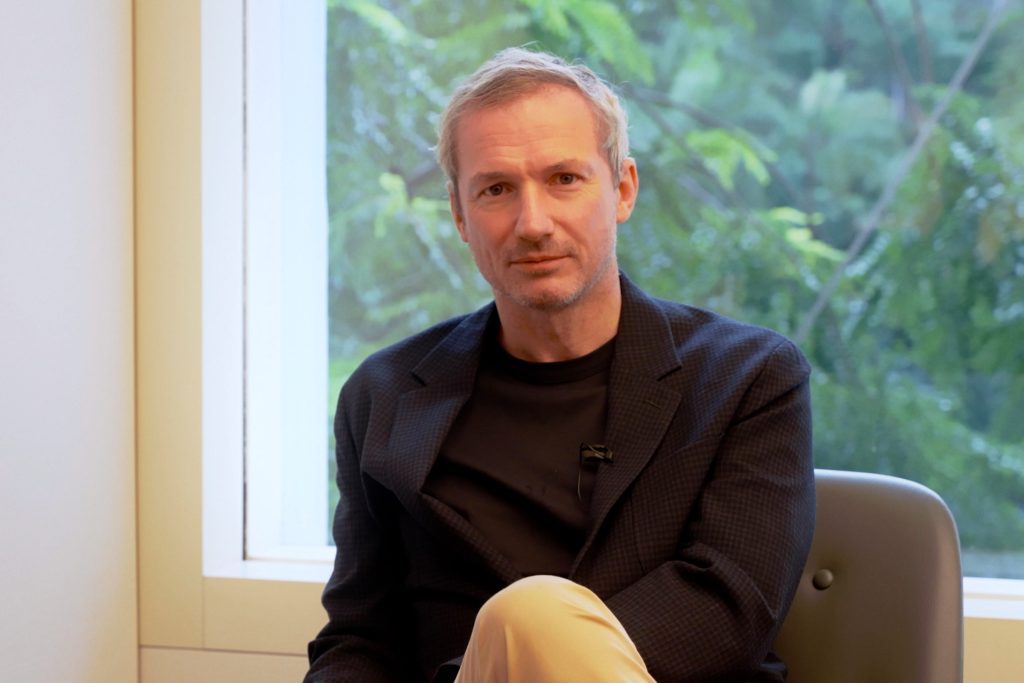
In Godfrey’s eyes, legacy not as a finite concept but as a dynamic process of evolution. “We’re always looking for what we will do next,” he affirms, embracing a perpetual motion that defines HBA’s ethos. As the firm continues to expand into new territories and embrace fresh challenges, Godfrey’s commitment to authenticity, emotional connection, and sustainability remains unwavering especially since the industry is often dominated by fleeting trends, superficial glamour, ersatz extravagance. Godfrey’s vision for luxury hospitality resonates with depth and sincerity, as no two projects resemble a cookie-cutter version of another. By championing a design philosophy rooted in cultural context and emotional connection, he is not only redefining what it means to create luxury spaces but also paving the way for a more conscientious approach to hospitality design.
Well, what is luxury to him, then? “Where does the light come from? How does it fall on this table? How does it make you feel good?” Godfrey questions. “These are the tenets of luxury—the quintessential, the essential. Whatever one does, if you get the skeleton correct—straight, true, symmetrical—the skin will always be beautiful. Whatever you add is merely embellishment. Luxury lies in those additional layers, the garnishes, but the inherent quality must remain. If the skeleton is created, you can paint it white and it will still be beautiful.”