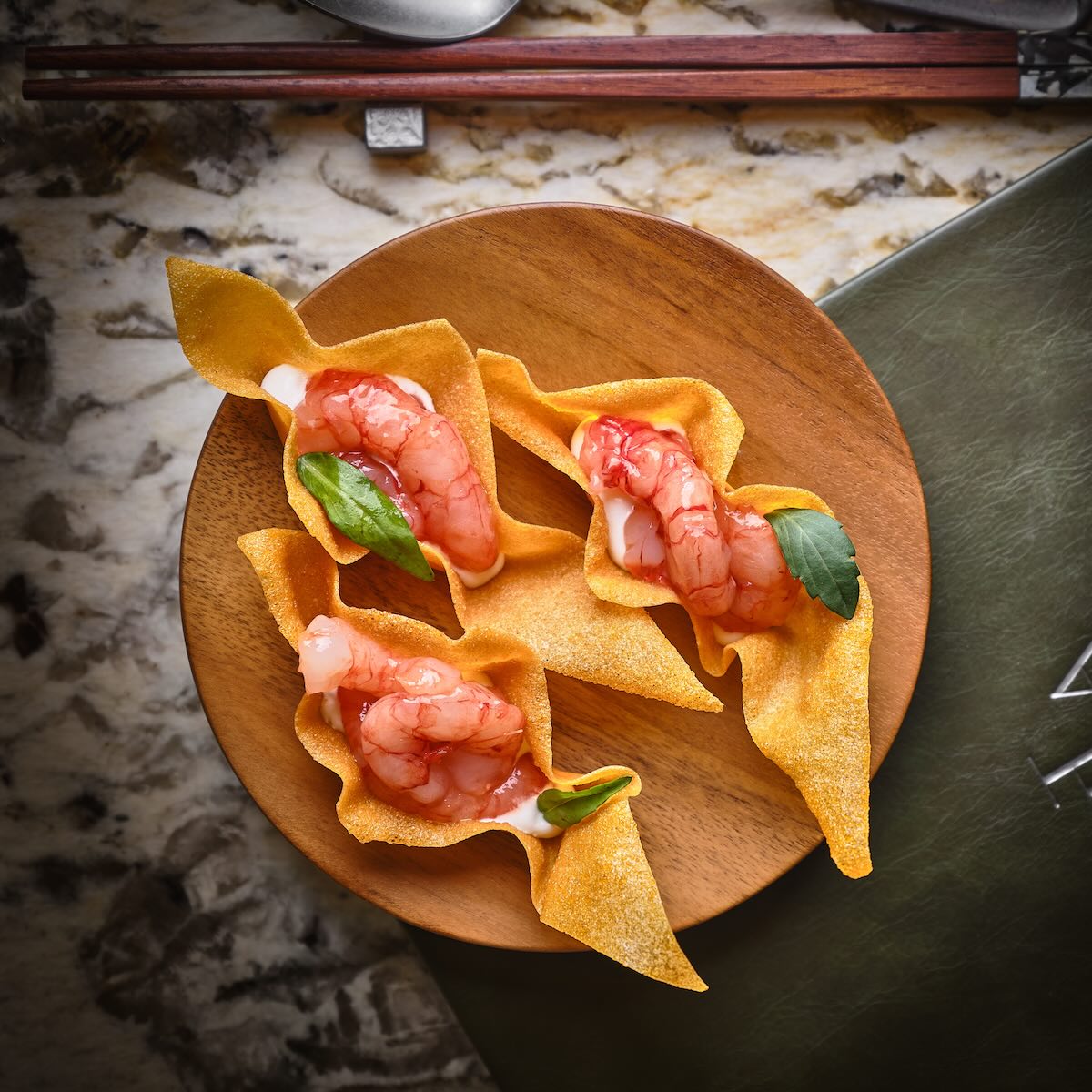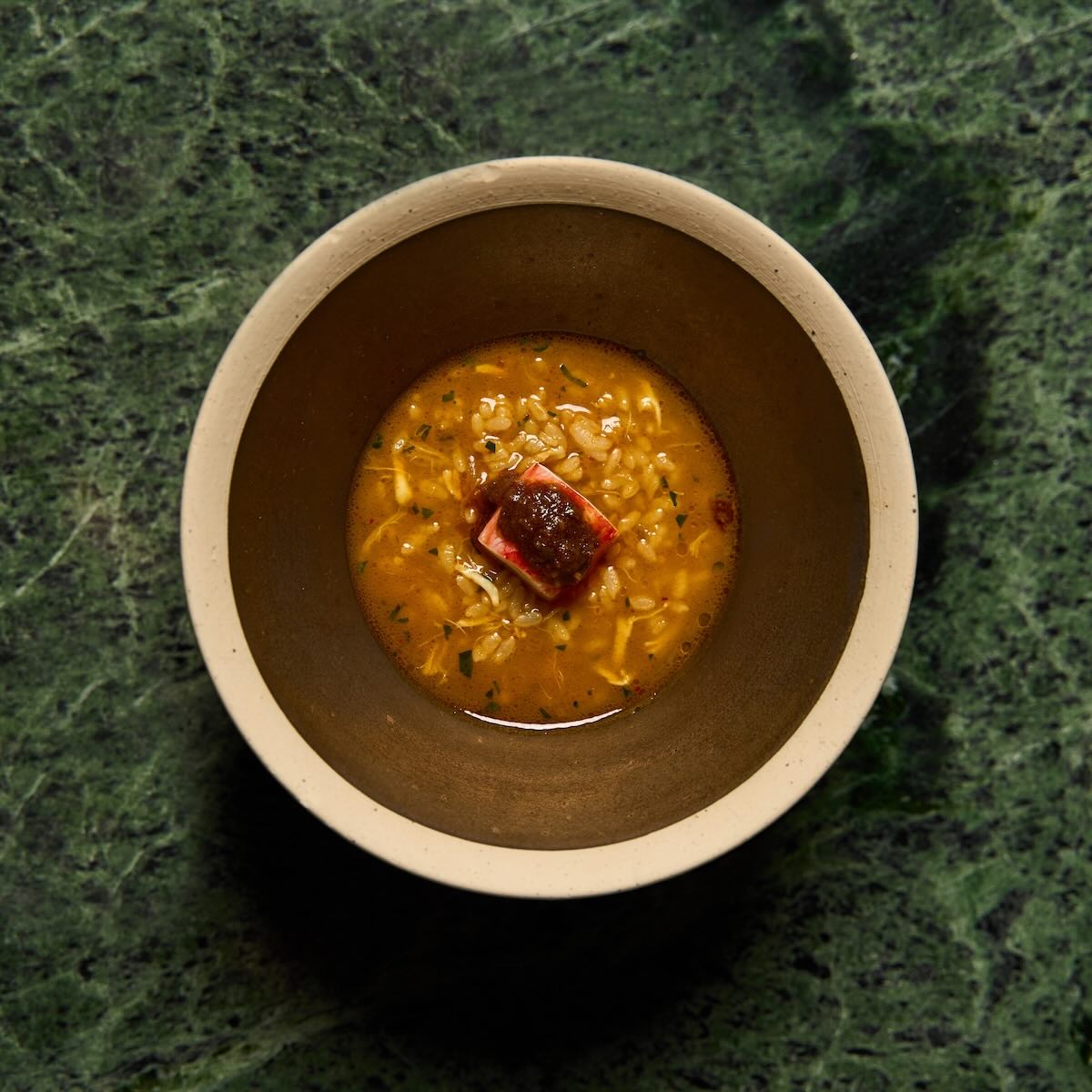



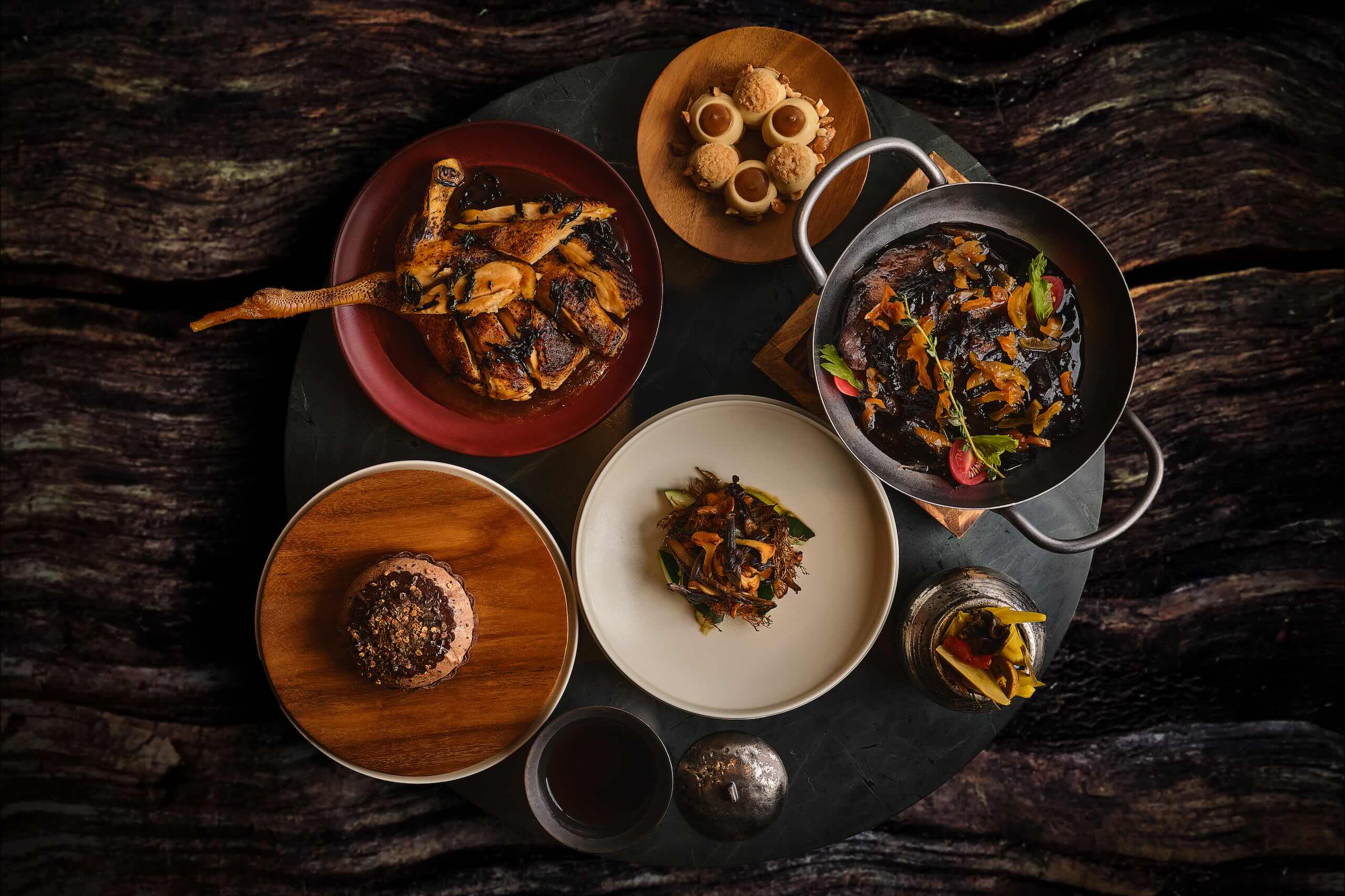
When Vicky Lau first set foot in Yunnan in 2023, she found herself in a landscape that demanded exploration; the terraced rice fields, mist-shrouded mountains, raging rivers, and boisterous markets were chapters in an atlas of culture that begged to be studied. Wild mushrooms of assorted shapes and species scented the air, fermented flavours sang with acidity, and teas carried memories of altitude. For a chef who has built a stellar reputation on the meticulous architecture of French-Chinese tasting menus at Tate Dining Room, then channelled devotion to the humble soy at Mora, the impulse to pare back was, paradoxically, another kind of refinement: an insistence that good food should speak plainly and directly to the table. Jija is less a detour from haute cuisine than a new dialect in Lau’s distinctive language—one that finds poetry in simplicity and joy in connection.
“It’s the kind of food I want to cook at home—comforting dishes to share with friends and family,” Lau reveals in conversation with Robb Report Hong Kong. “It’s food that satisfies cravings for something wholesome and delicious. Our goal was to create an experience where guests can taste the flavours of Yunnan while enjoying a modern twist infused with my own culinary perspective.”
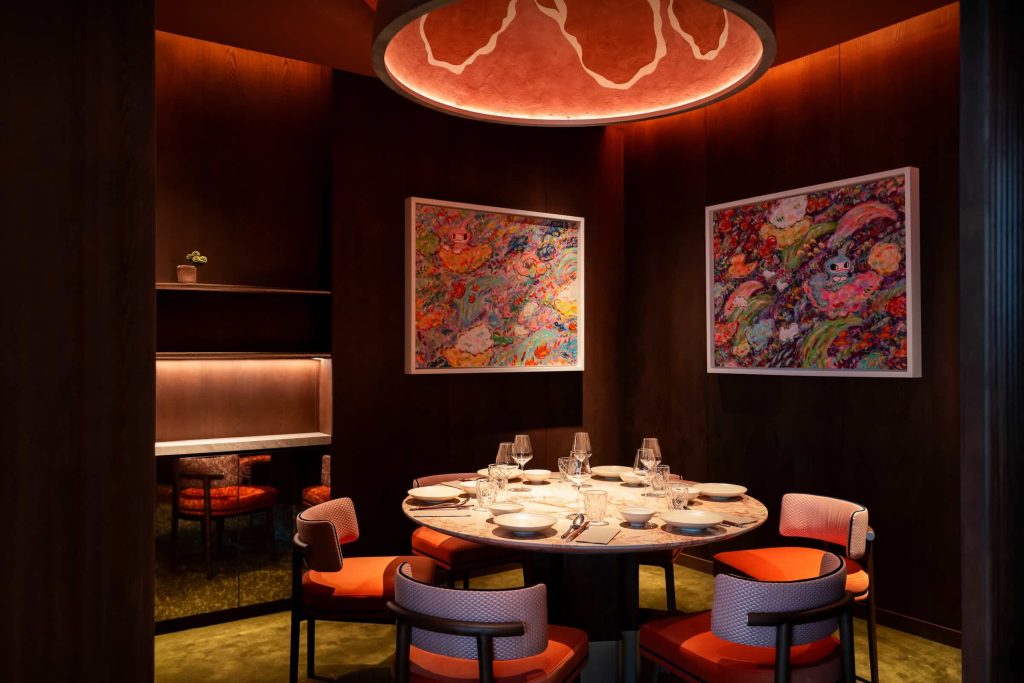
Nestled in the Kimpton Tsim Sha Tsui hotel, Jija is a discreet destination—50 seats, oversized windows that frame the city and the sea, and interiors that echo Yunnan’s mountains and artisan traditions. Dark woods and silvers, Miao-inspired cultural motifs, and a handsome tea lantern anchor the dining room, with “earthy tones and organic textures to evoke a sense of tranquillity,” says Lau. An eye-catching pickle wall, brimming with jars of house-fermented vegetables, announces the restaurant’s intent before the menu does: this is a place where preserved flavours and the abundance of the land are celebrated. Jija’s name, an onomatopoeic Cantonese expression meaning “chatter,” captures the mood: the kind of cheerful, convivial energy one expects of a Chinese tea restaurant. “It’s about connection—you come here to share meals, drink, and bond. It’s less about perfection and more about positive energy, flavour, and joy,” Lau affirms. “It signifies a welcoming space where people can come together to enjoy authentic food and celebrate community, much like how families in Yunnan gather to share meals.” Handcrafted ceramics and locally sourced décor ground the atmosphere, “encouraging diners to feel at home,” she says.
It is important to set the record straight from the start: Jija does not pretend to be a keeper of traditional Yunnan and Guizhou cuisines. It takes inspiration from them, meaning Lau still does things her own way, with her own flair, through her own lens, but the menu is coloured by the experiences, flavours, and ingredients she encountered during her trips to the mountainous Chinese provinces. Lau’s openness to reinterpretation—to borrow, adapt, and translate without pretence—is perhaps her most significant achievement. Jija is an emissary, distilling the culinary identities of Yunnan and Guizhou into dishes that make sense to Hong Kong diners while remaining rooted in place.
“I never wanted to do an exact recreation,” Lau admits. “First of all, I think Chinese cuisine is too broad to even try to home in on one style within a single region. And secondly, by its nature, the cuisine is fairly rustic, and we had to reinterpret it for a Hong Kong audience. It was a balancing act to stay true to the influences of Yunnan cuisine but also serve it through my own lens.” She continues, “I started off by understanding the traditional recipes and flavours, and then I explored how to reinterpret them using modern techniques and presentation; this process allows me to pay homage to the roots of the cuisine while adding a personal touch that resonates with our guests.”
What’s most striking about Jija is the way Lau translates regional particularity into a modern, accessible format without losing soul. Yunnan, she says, is blessed with a profusion of produce; even as someone raised on Chinese food, she encountered vegetables that she had never seen before. Her response was not to mimic but to extract the distinctive philosophy of southwestern Chinese cooking—borrowing boldness, sourness, and spice—to compose dishes that are at once familiar to Hong Kong diners and provocatively new. Under the stewardship of head chef Sean Yuen, Jija’s kitchen is driven by precision and fine-dining techniques that are applied to amplify authenticity. Yuen, schooled in some of Hong Kong’s most exacting kitchens, describes the flavours as a “tapestry of freshness, intensity, and balance”—that duality is evident in a menu that gives mushrooms, pickles, teas, and cured meats equal billing with more traditional proteins.
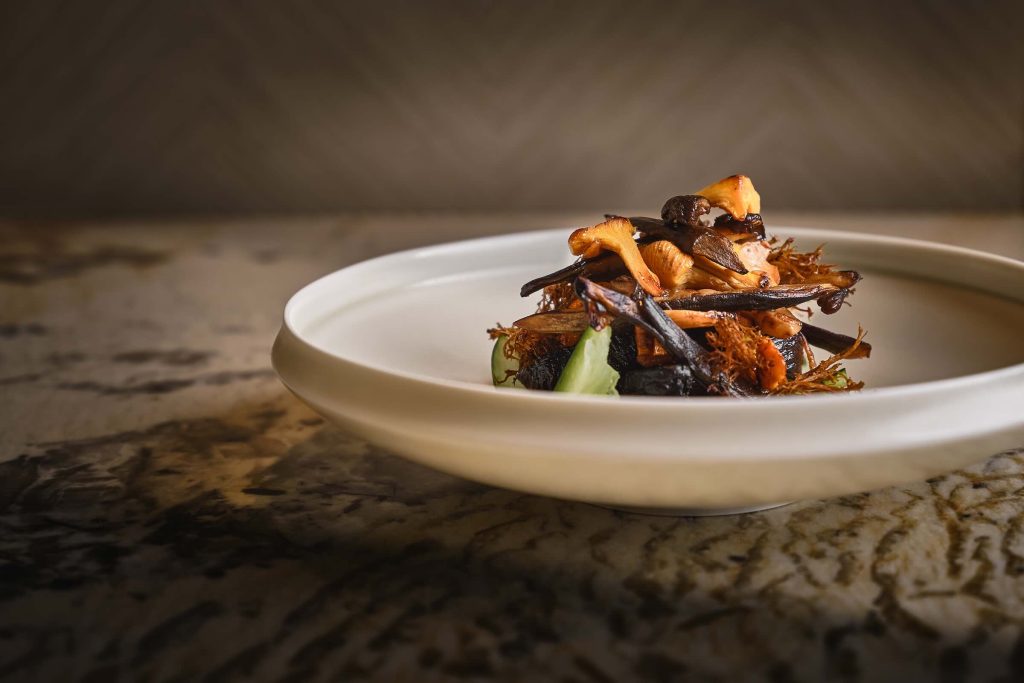
Mushrooms are Jija’s showstoppers. Yunnan is home to more edible wild mushrooms than anywhere else in China, says Lau, and her seasonal mushroom salad is a statement of concept. Matsutake, morels, and more are wok-fried and dressed in ginger and garlic to accentuate their loamy aromas. Adding dried seafood and chives marks this dish as “a great confluence of my Hong Kong heritage and Yunnan ingredients that I admire,” she shares. Equally eloquent is the pu’er tea-smoked three-yellow chicken. Rather than overpower the bird with smoke, the process imparts a delicate pu’er perfume in a nod to Yunnan’s tea culture, evoking a centuries-old relationship with the tea leaf—a product picked, fermented, and aged with as much patience as wine—and positioning tea not solely as a beverage but as a component of taste, a bridge between ingredient and terroir.
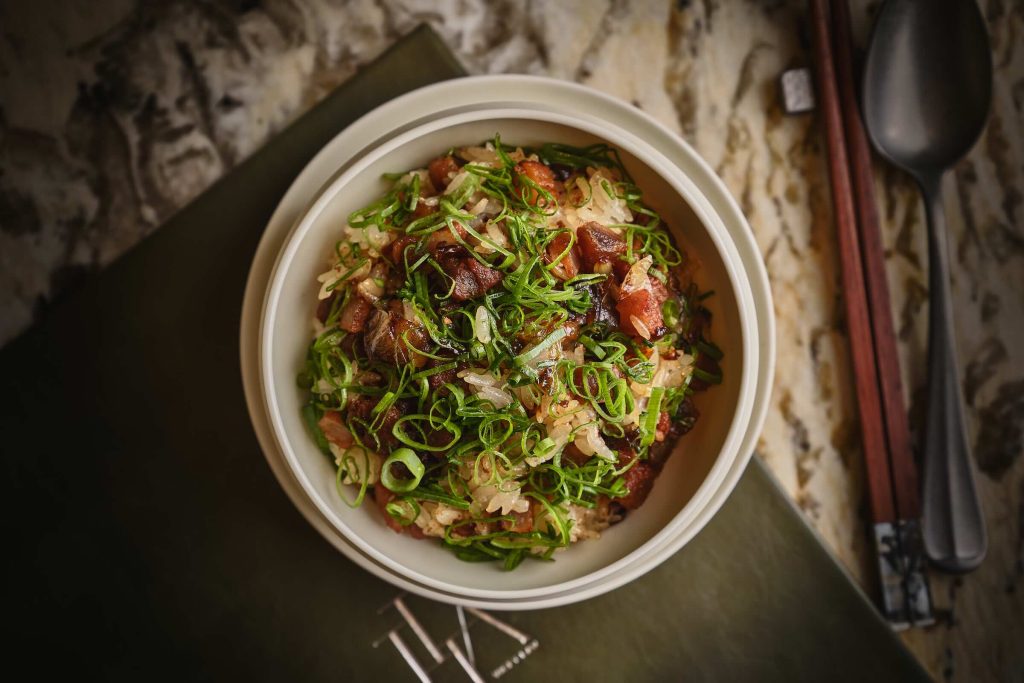
If mushrooms and tea showcase Yunnan’s terroir, the Yunnan-style fried rice revels in resourcefulness. Using fragrant Yeungzhi rice and rendered pork fat, this dish is stir-fried until the taste can be imprinted on the palate: smoky, savoury, and dotted with wild onion, ginger, and crispy cubes of Yunnan ham. “I fell in love with Yunnan’s culture of making cured meats using time-honoured methods when I was there,” Lau reveals. It is rustic comfort served with the understanding of how to balance fats and aromatics for maximum resonance. Done well, fried rice is a measure of a Chinese kitchen’s soul; here, it reads like a love letter to Yunnan’s tradition of curing and conserving.
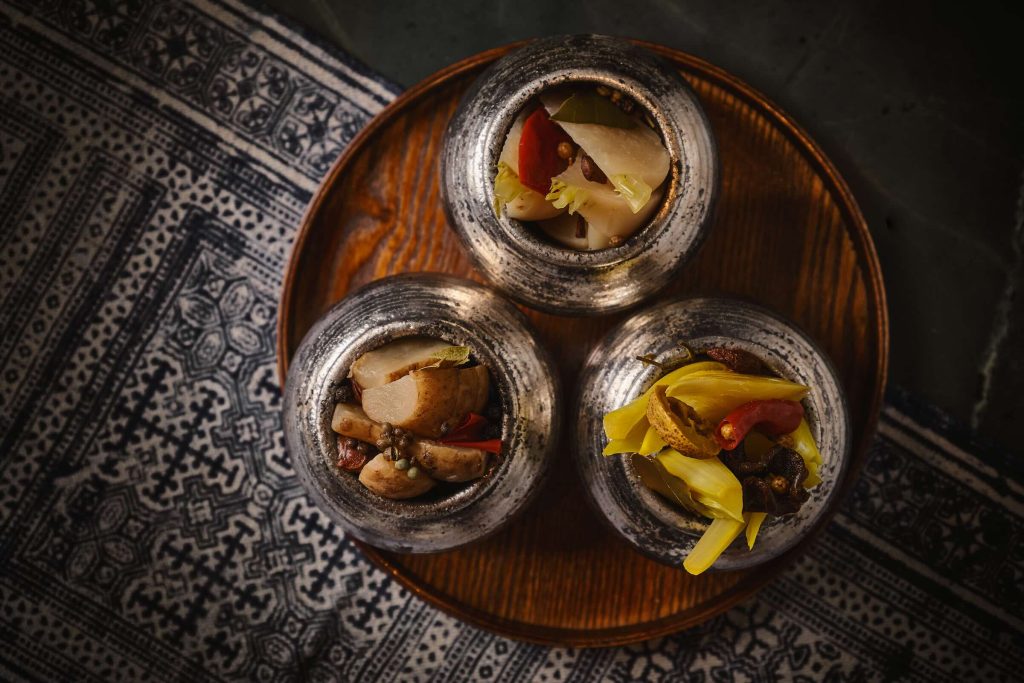
Pickling is another through-line in Lau’s menu. A starter of pickles—Jerusalem artichoke, Chinese artichoke, daikon, and seasonal vegetables—is fermented in-house with rice vinegar, sugar, and warm spices; the result is tangy, fragrant, sweet, and gently numbing. It’s these small details that give the meal momentum: each bite prepares the taste buds for the next.
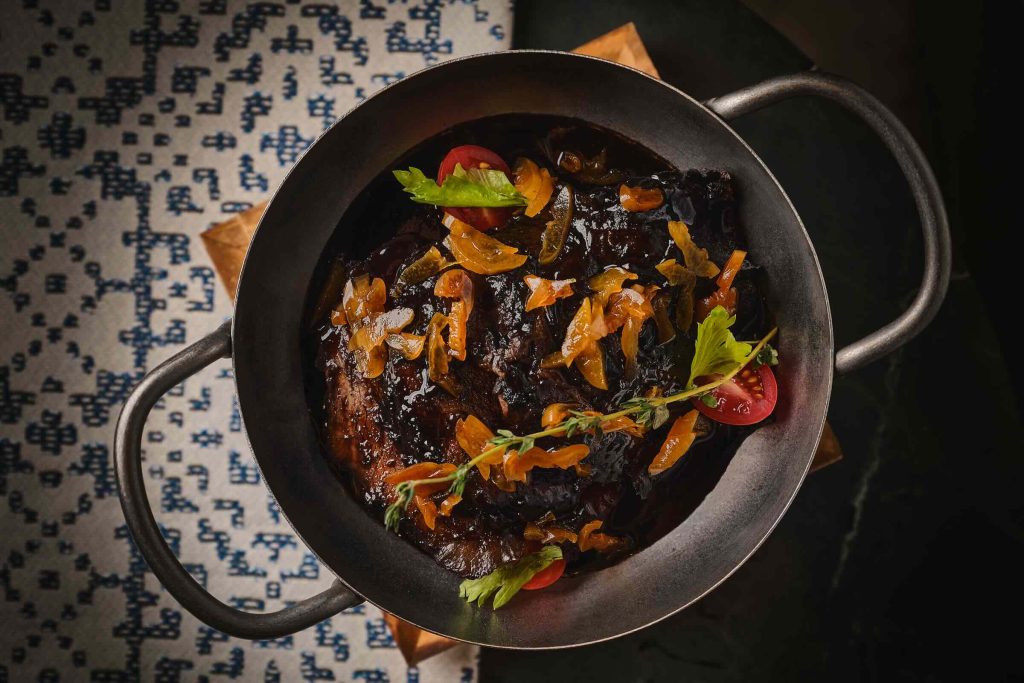
One of the dishes that Lau had to have on the menu was her take on the famed Kaili beef sour soup from Guizhou. “Oxtail is first pan‑seared for depth, then simmered in a broth made with sour papaya, fermented tomato, and fiery chilli—known locally as red sour soup,” Lau describes. “At Jija, we make a version with shrimp and transform it by using house-made noodles and a selection of sour papaya and passion fruit, bringing freshness and complexity to the dish while maintaining its essence. It’s a reinterpretation that tells a story and evokes memories of Yunnan.”
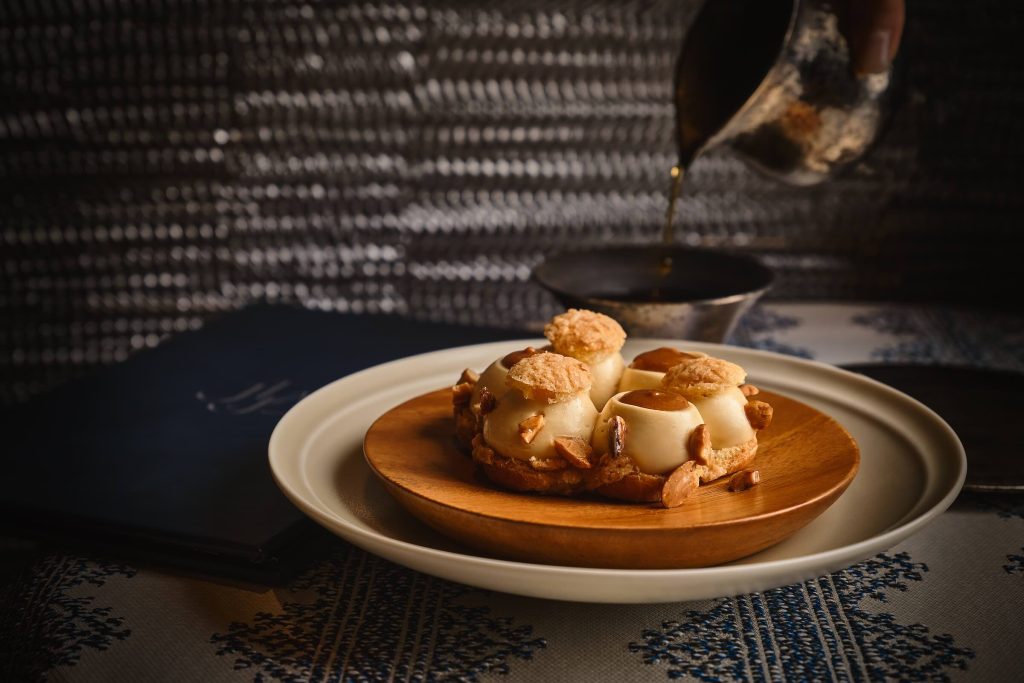
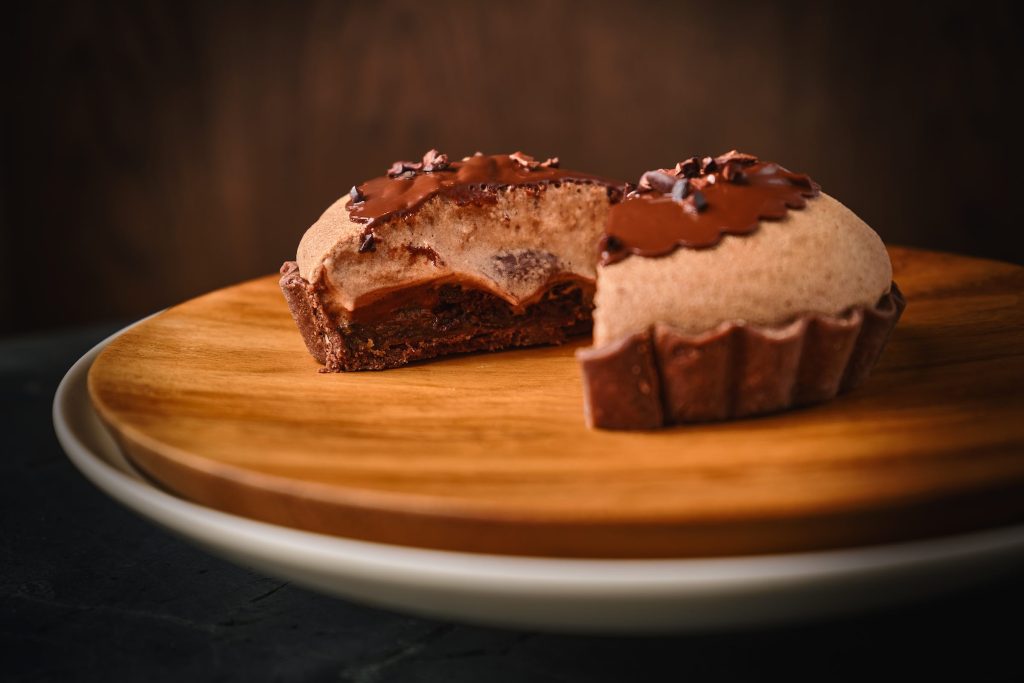
Jija also acknowledges cross-cultural currents. On the dessert menu, Chinese technique blends with French finesse—the chocolate soufflé tart with a ganache made with Sichuan pepper and the East-meets-West Yunnan Paris–Brest filled with peanut cream, for example. Furthermore, the beverage programme is, in a word, dedicated. Pots of tea are paired like wine, and oenophiles can peruse a list of more than 150 labels from Chinese terroirs, as well as French and international selections. It carries a powerful message: Chinese wines and teas are not footnotes at the table.
In a city that oscillates between fastidious refinement and unabashed indulgence, Jija stakes a middle ground: serious in its sourcing and skill, casual in its atmosphere. Lau muses, “Each of my restaurants reflects a different facet of my culinary journey, but they all share a common thread: a dedication to storytelling through food. Whether it’s the Yunnan influences at Jija, my ode to soy at Mora, or the refined dining experience at Tate Dining Room, my aim is to create meaningful connections for our guests between culture, design, and the dining experience.”
Jija’s true promise will reveal itself over time, when rare produce uncovered each season appears on the menu, when regulars dive deeper into the gastronomic intricacies of Yunnan and Guizhou with each new dish. Jija reframes what it means for a master of haute cuisine to enter the realm of mid-range dining. Lau’s objective was never to downshift for convenience; it was to create the kind of food she wanted to eat at home. Jija embodies a refreshing cultural exchange—a plateful of place served with generosity. In a room designed for chatter, that might be the finest thing on the menu.
15/F, Kimpton Tsim Sha Tsui, 11 Middle Road, Tsim Sha Tsui, Hong Kong
Tel: (+852) 3501 8555
All images courtesy of Jija.