


In the sand dunes of Dubai, one desert destination’s narrative is retold—through design.
Bab Al Shams first opened in 2004, well before there was a plenitude of such retreats in the UAE. Being the country’s longest-running desert escape is no mean feat—extensive renovation was imminent after two decades of operation—and so Bab Al Shams returned in 2023 after a major makeover and new management, now running under Kerzner’s Dubai-born Rare Finds portfolio of destination hotels. LW Design Group was tapped to guide this Middle Eastern icon into the modern era, tasked with preserving the inimitable essence that enticed regulars back to the resort time and again and retelling its tale of heritage afresh.
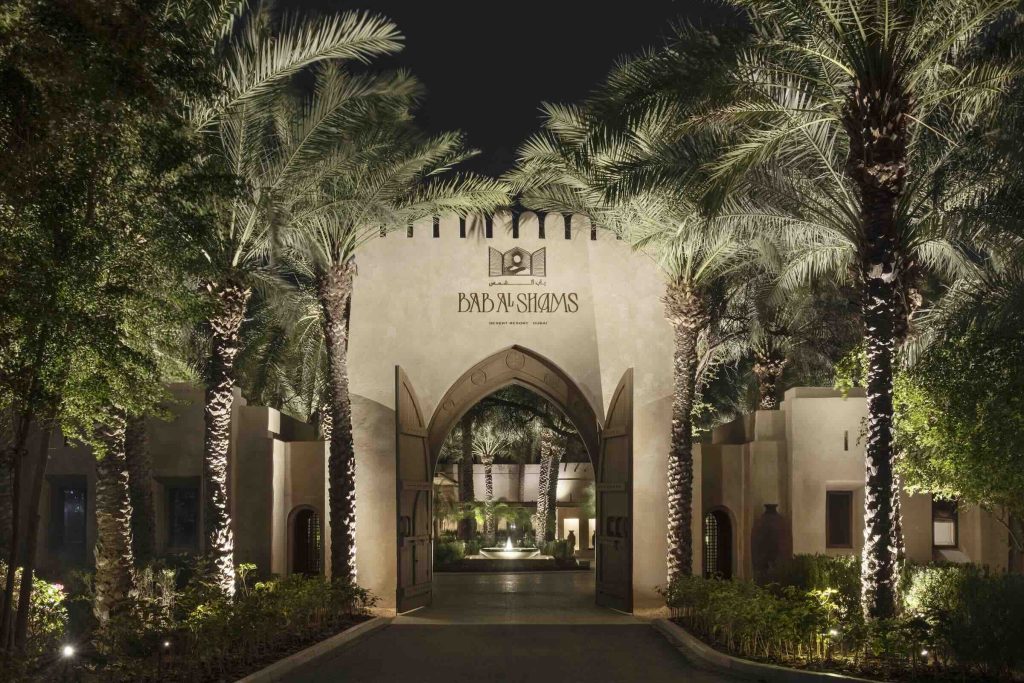
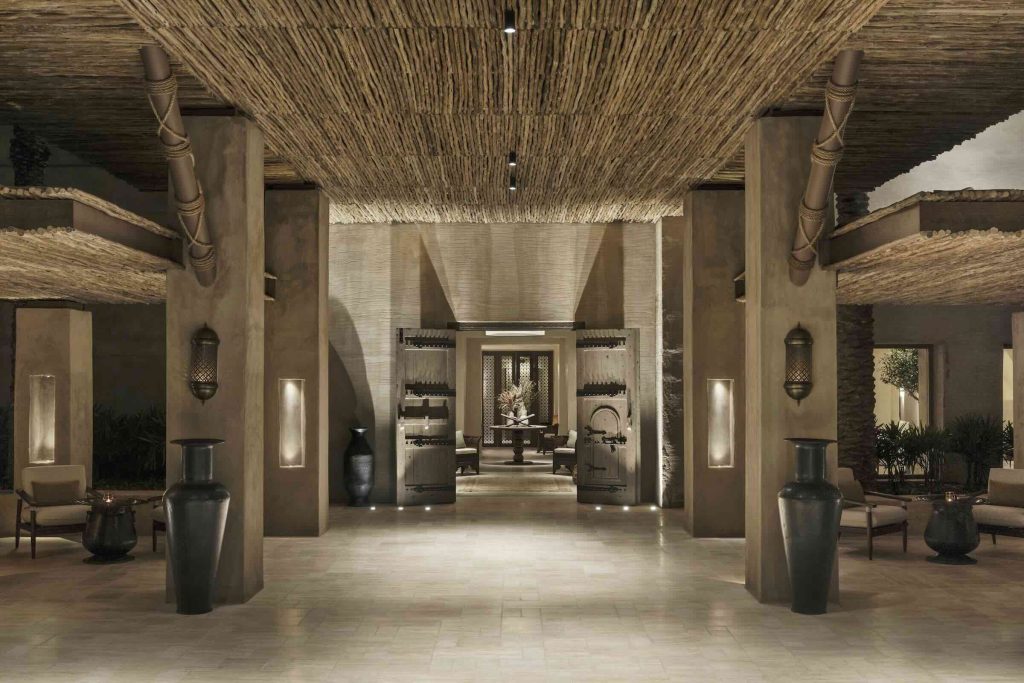
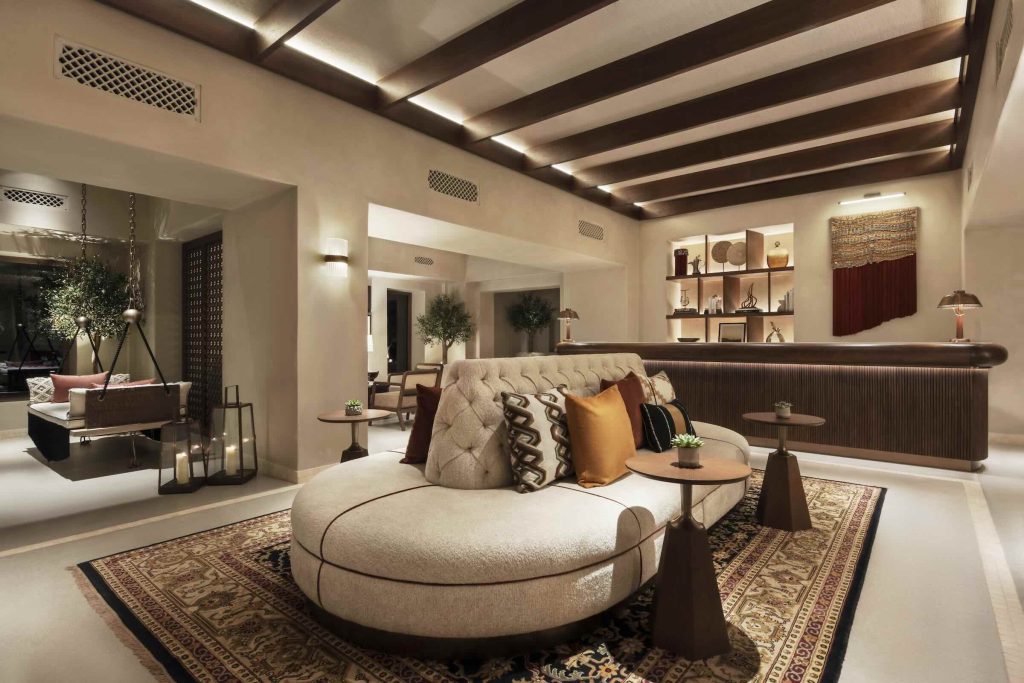
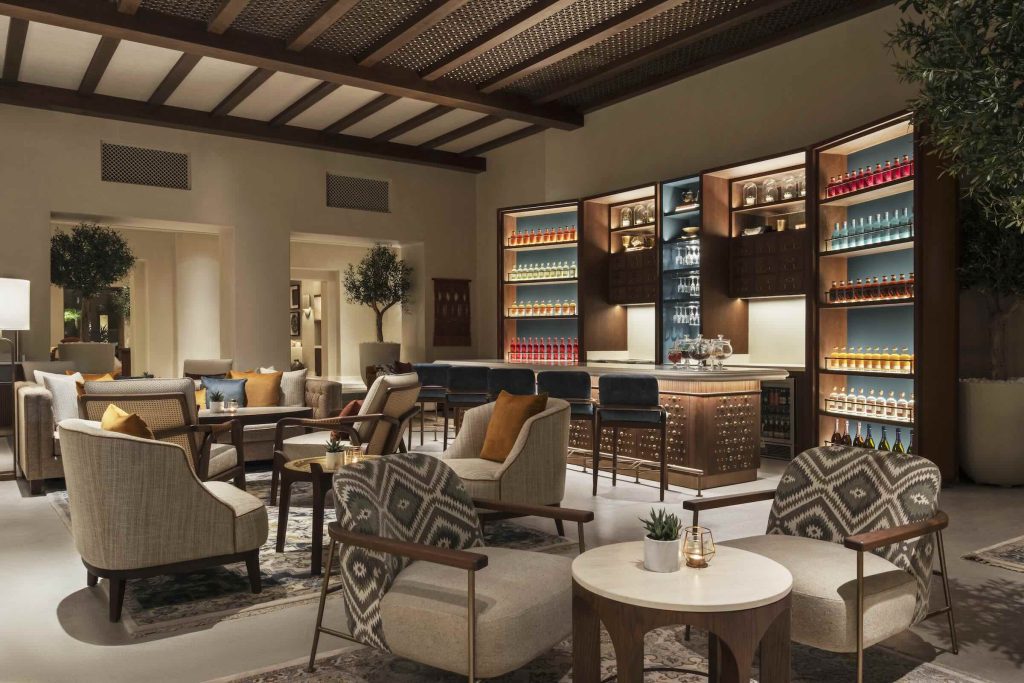
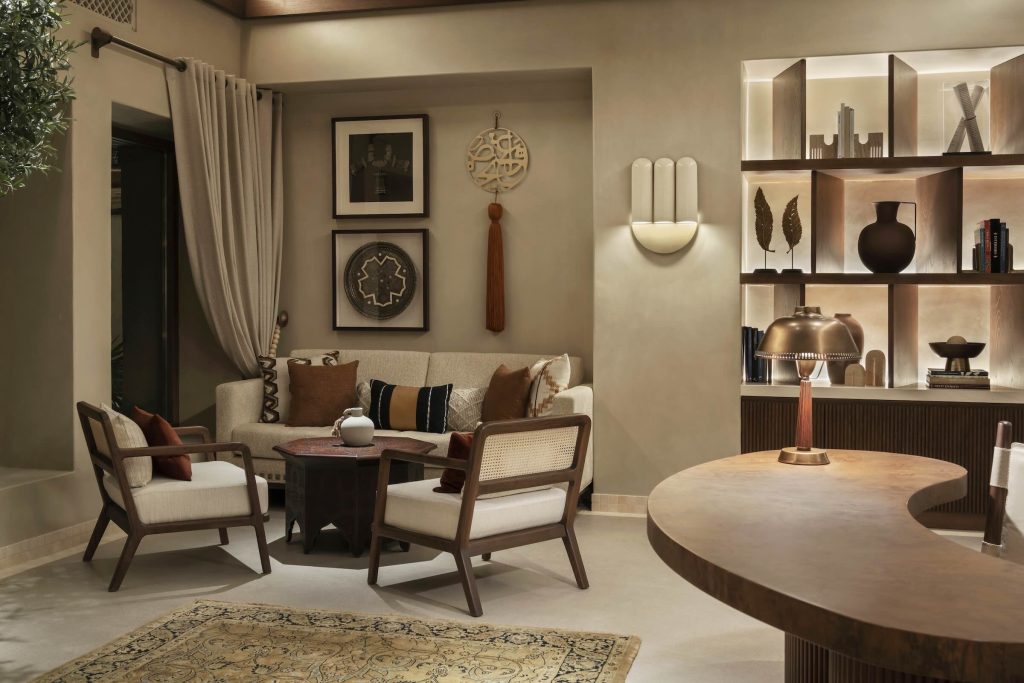
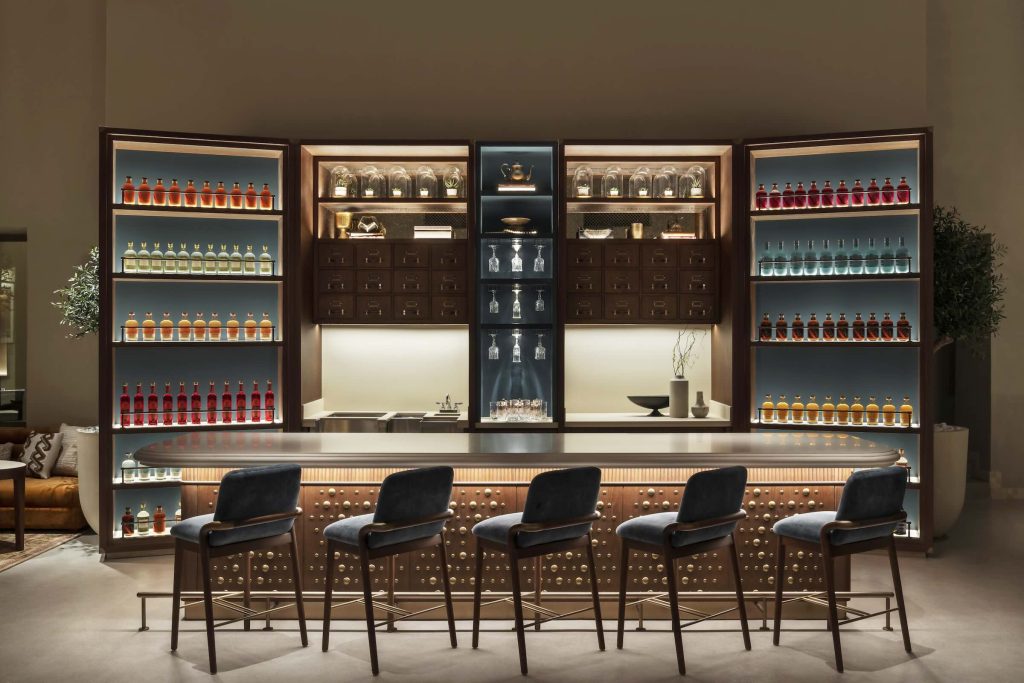
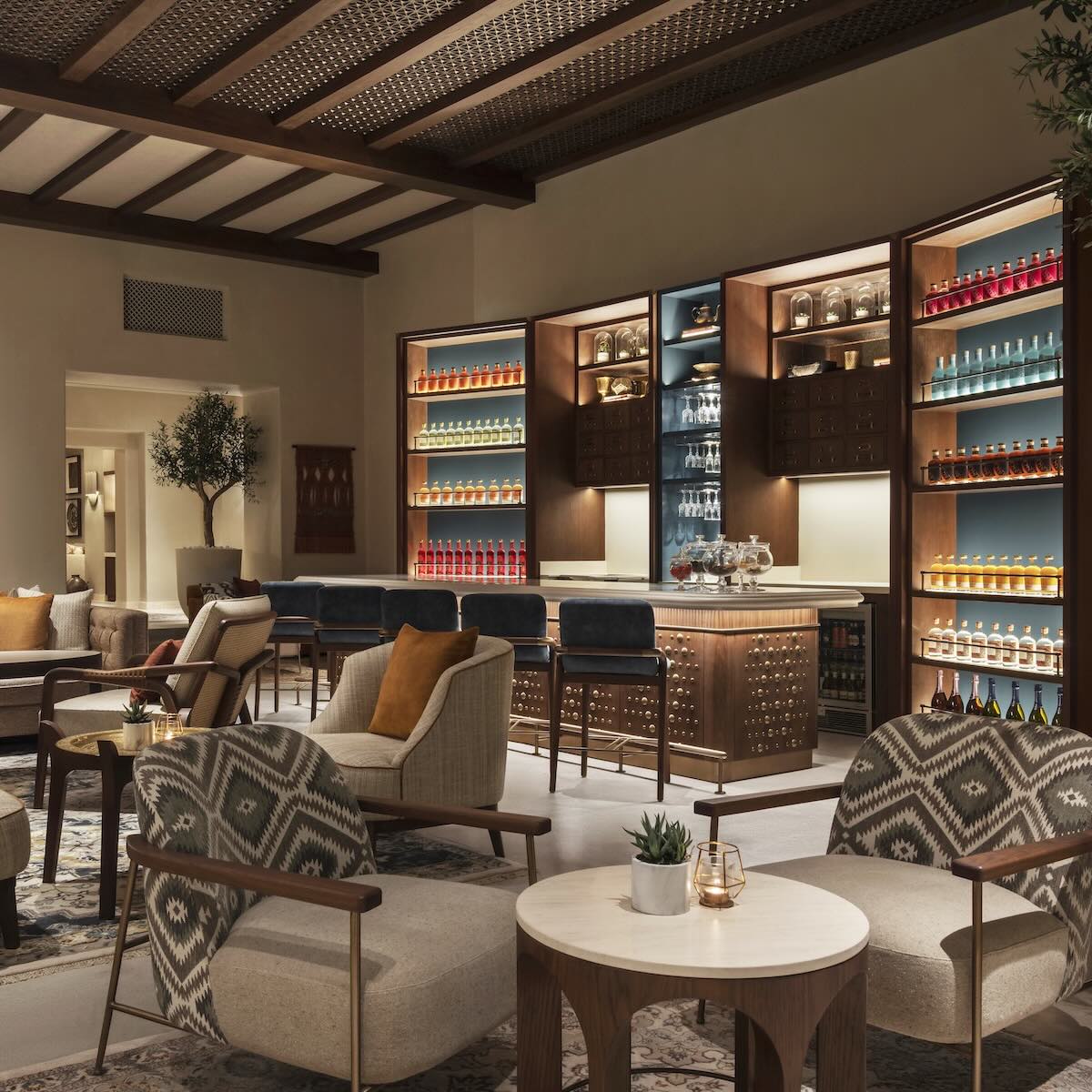
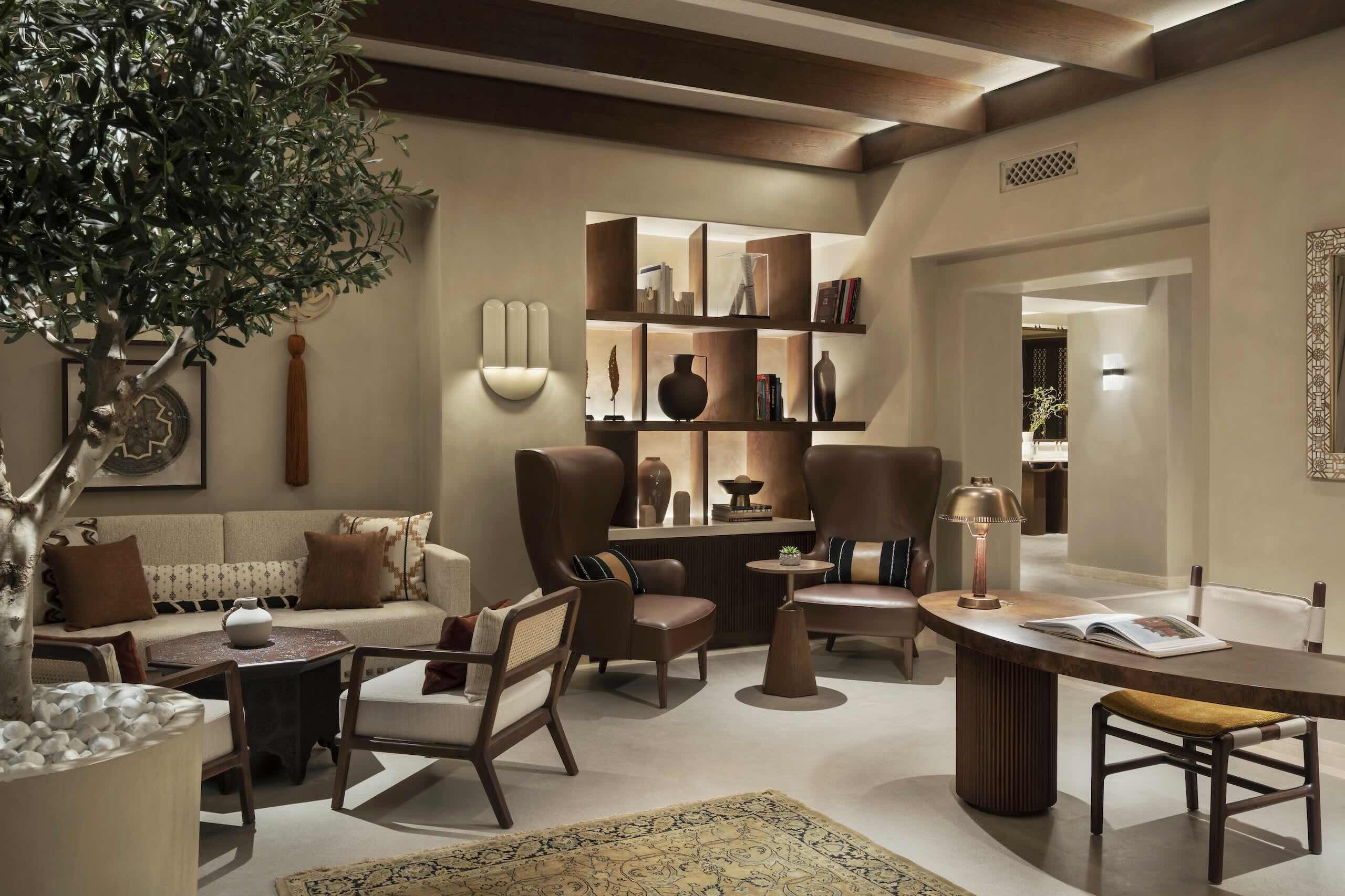
Narrating Arabian culture through a renaissance of architecture and form, the old bones of the fort-inspired Bab Al Shams were retained as the foundation of the transformation, but the matter—its 115 rooms and suites, restaurants, and shared spaces—is fully updated. Blending components of barasti palm-frond dwellings, adobe mud-brick construction, and Moorish influences, LW Design Group channelled elements from the Lost Princess narrative into the design language, infusing the existing character of Bab Al Shams with heightened glamour to meet modern-day sensibilities. Out with the dark wood furnishings, the dense web of walls that turned spaces into caves, the life-sized camel statues, the filigreed pendant lamps, the draped fabrics, the bathtub-shower combos set into the stonework, and the Arabesque clichés; in with the soft neutrals, the curved silhouettes, the organic shapes, the timbered ceilings, the large mirrors, and discreet, elegant lighting.
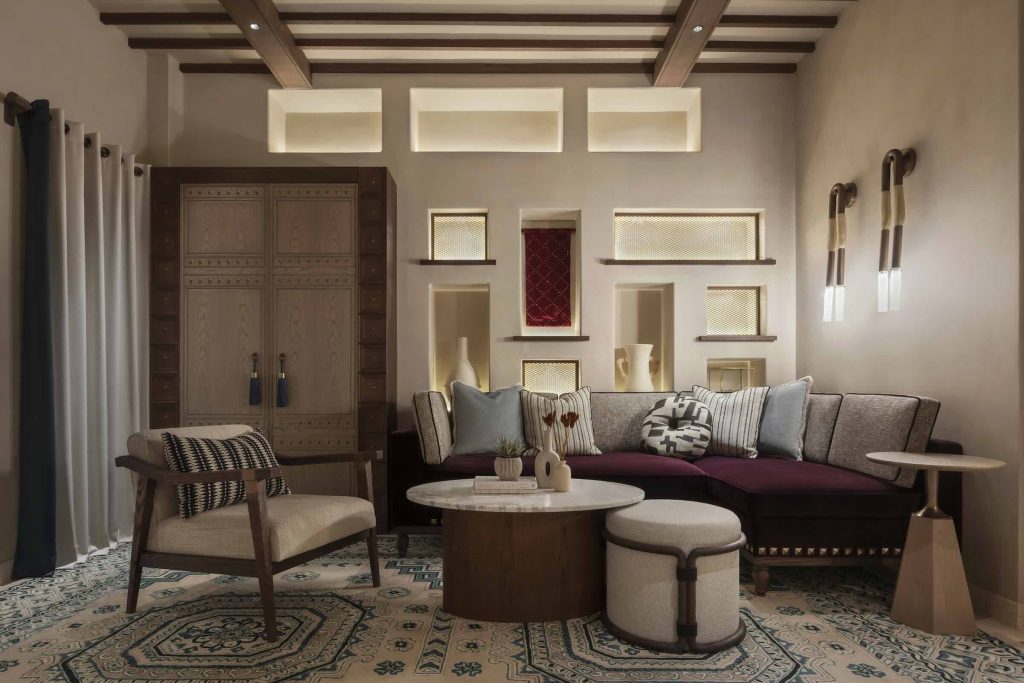
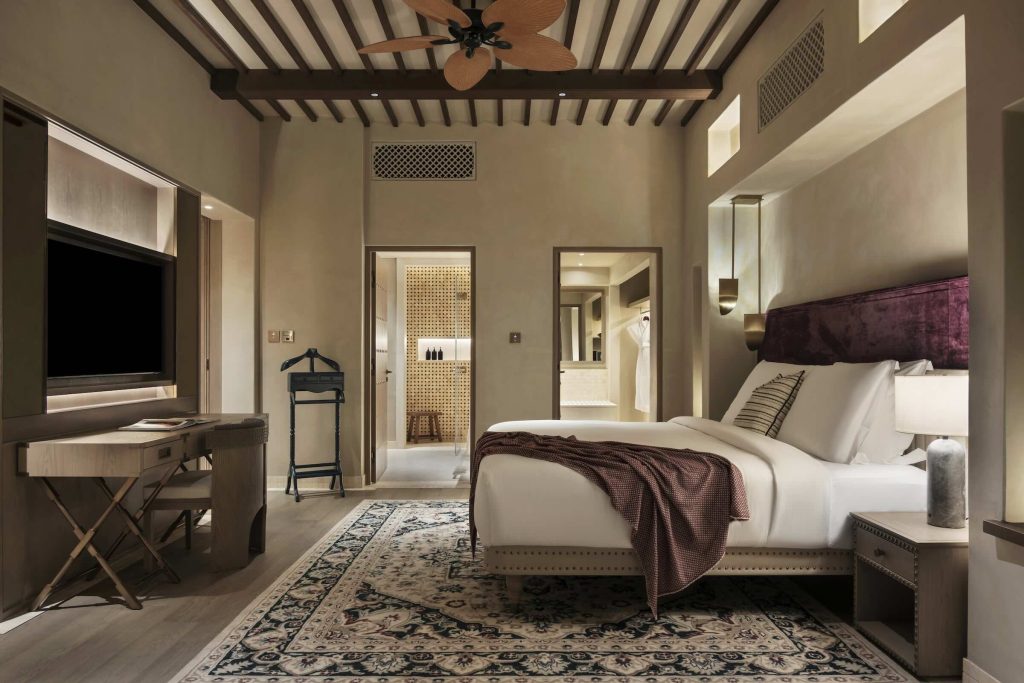
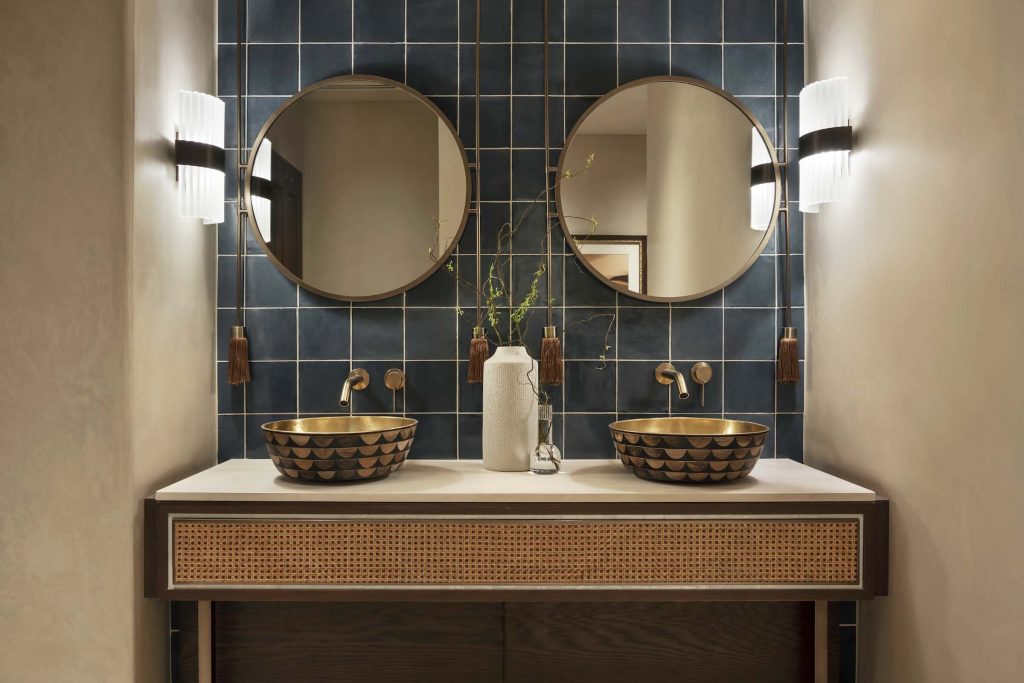
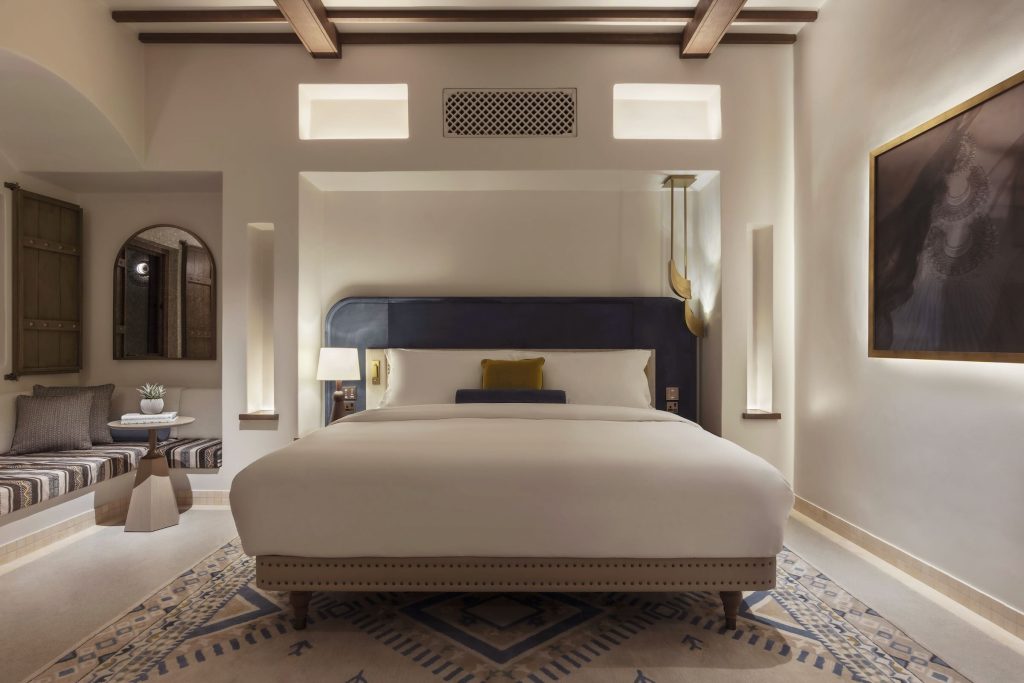
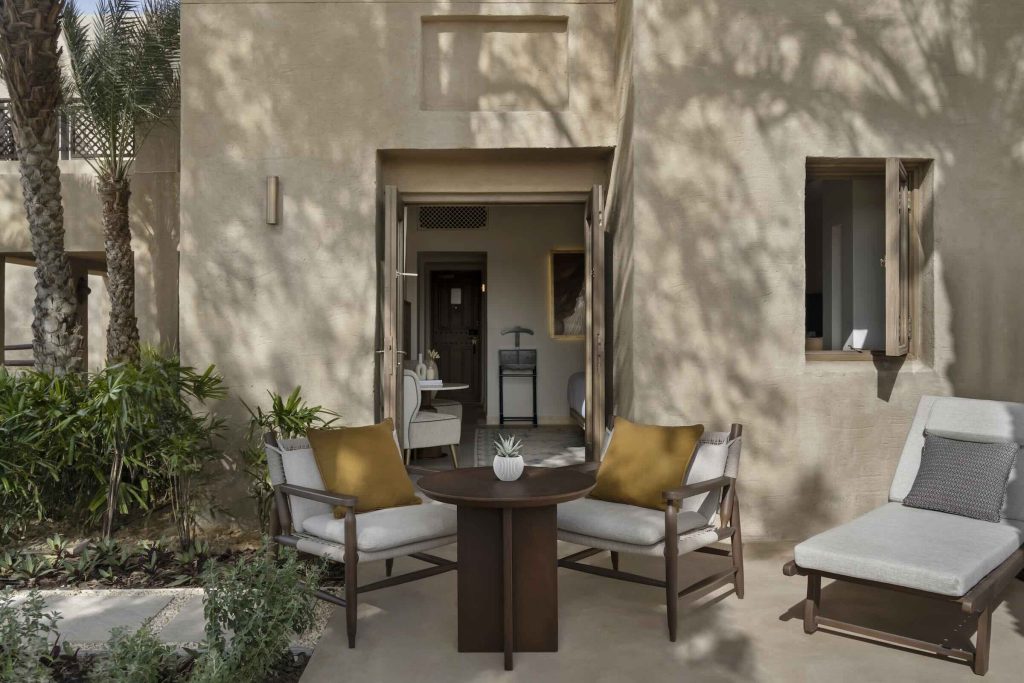
Décor no longer inundates—it complements the intentional calm of the decluttered space. Room amenities are no longer afterthoughts: the minibar is now housed in a leather-clad, travel-trunk-esque cabinet instead of resting in an alcove. Marble, mosaic, and mother-of-pearl elevate the bathrooms from a “have-to-be-in” space to a “want-to-be-in” setting. Bold burgundy, teal, and mustard add depth to the sand-toned palette, and the less-is-more philosophy is extended to each room or suite’s outdoor patio or balcony, creating a seamless interior-exterior transition that sidesteps the woes of small windows. In line with Bab Al Shams’s sustainability goals, LW Design Group also breathed new life into some of the most recognisable elements of the resort, including the reupholstered majlis window seats looking out over garden or desert, and relacquered coat hangers.
Contemporary art was a key addition to the interiors, bringing local and regional perspective, craftsmanship, and context into the refurbished space. Consultant Capsule Arts explored Emirati and Bedouin cultures through handcrafted metalwork, textiles, decorative objects, photography, and repurposed existing items, bridging now and then.
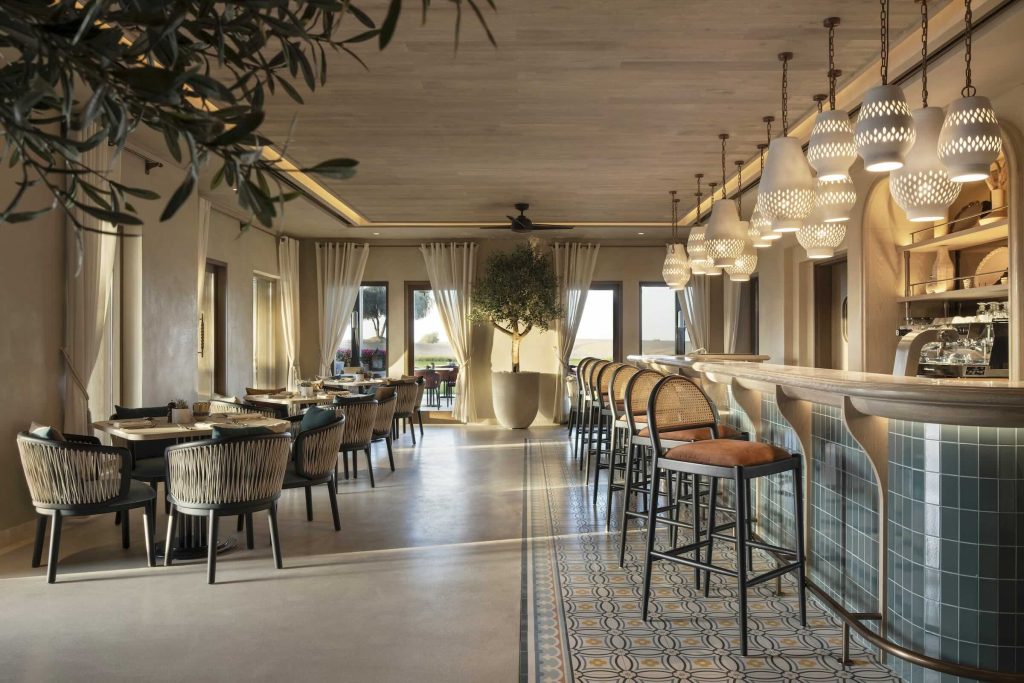
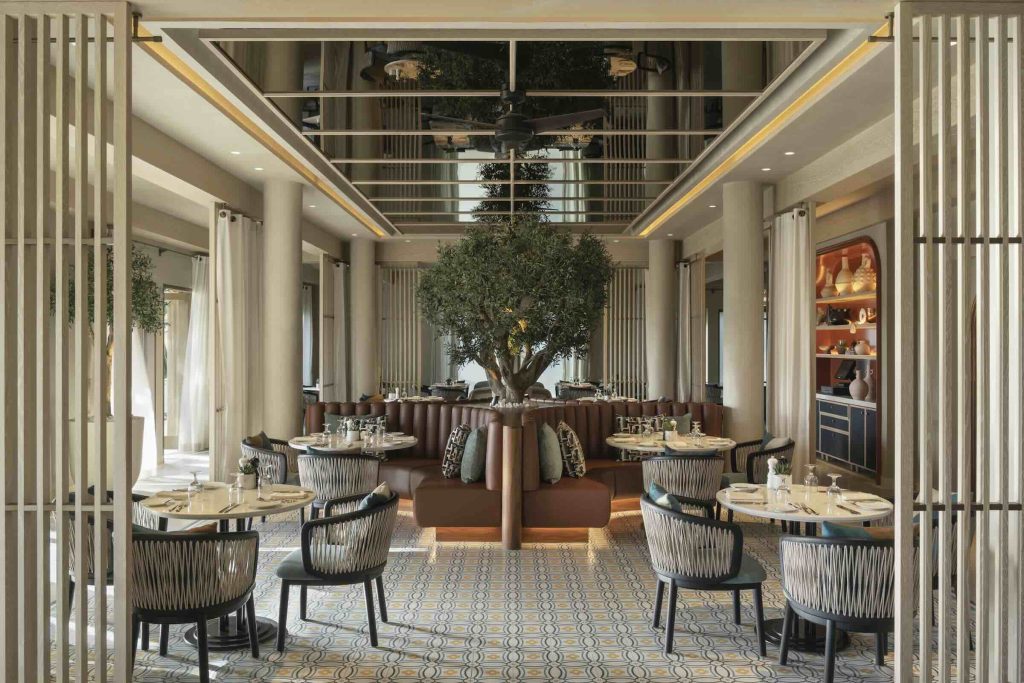
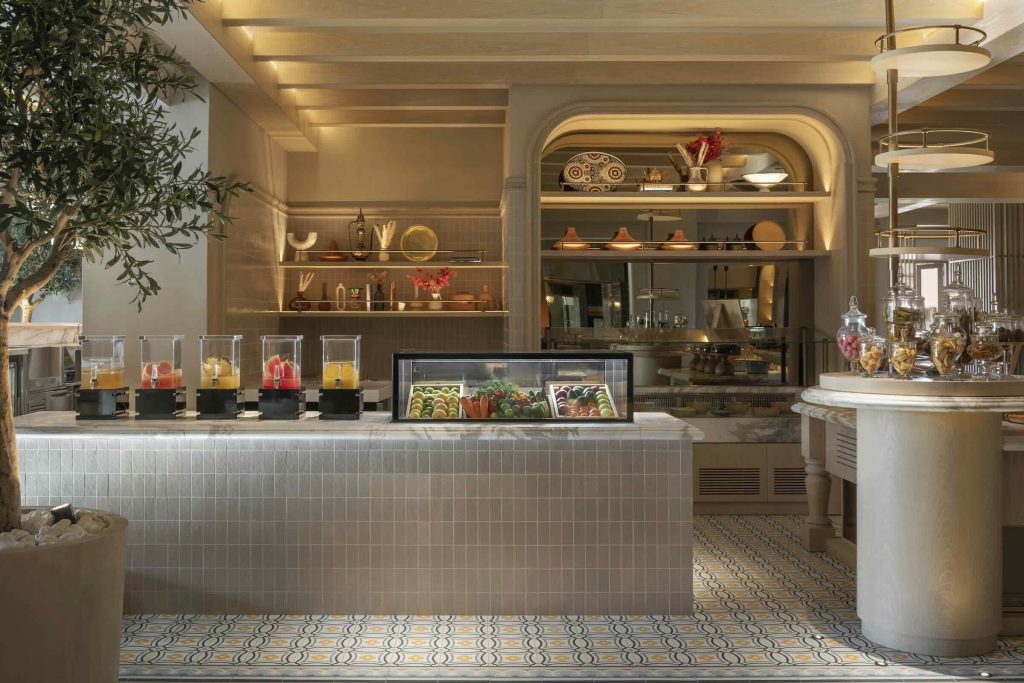
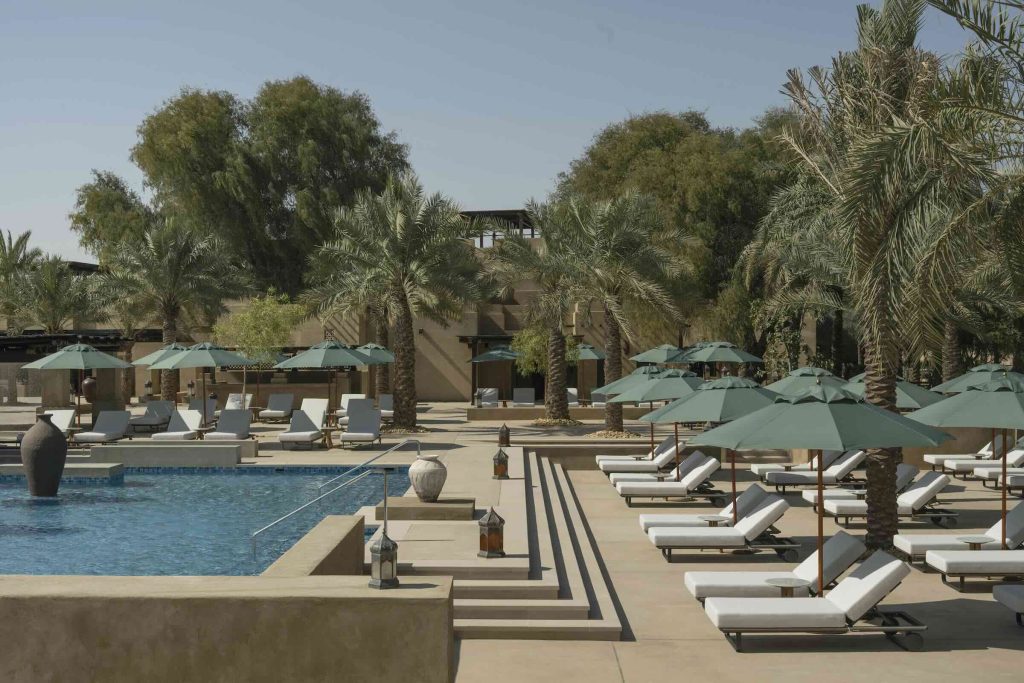
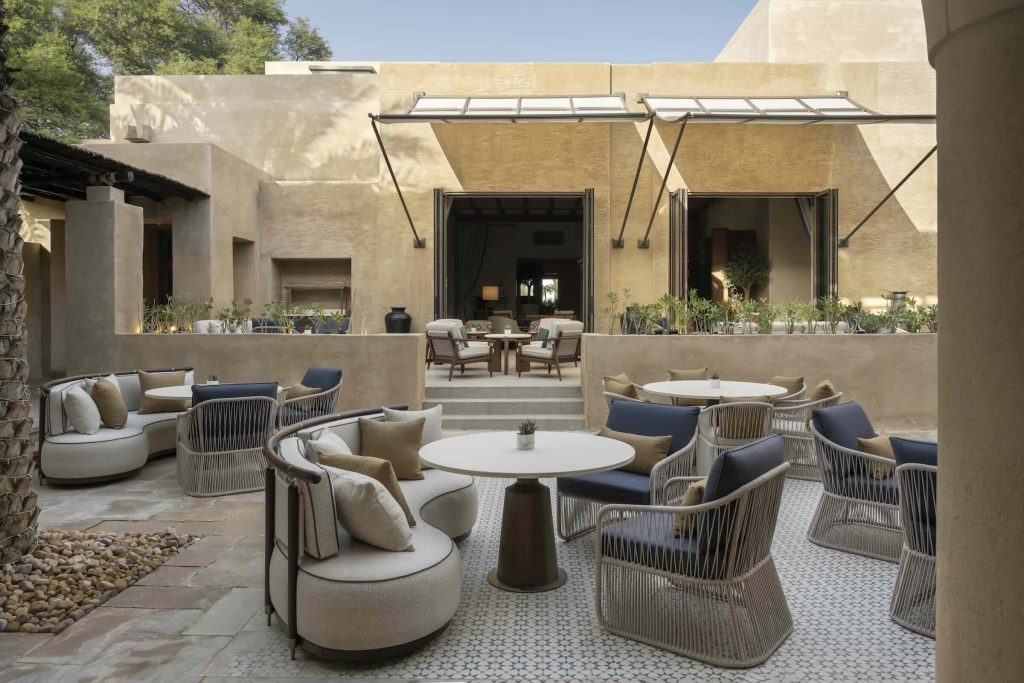
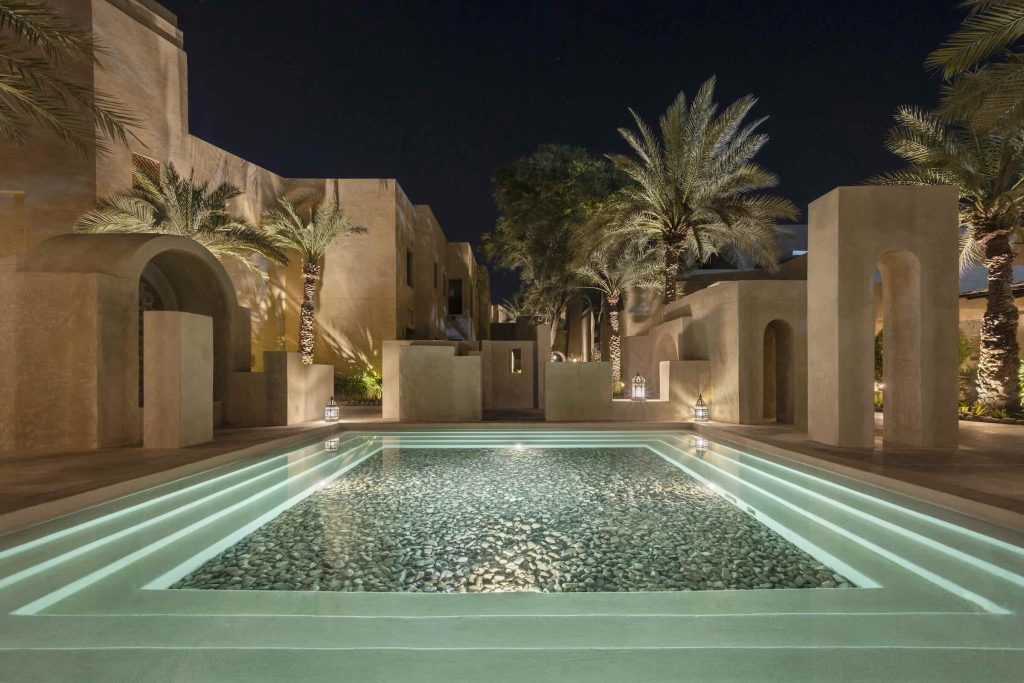
Meander through labyrinthine paths—between low walls, alongside burbling waterways, in the shade of towering palms and native ghaf trees—to step into the past, encircled by pared-back architecture that echoes traditional forts and desert villages. In this soulful environment, a new chapter of Bab Al Shams unfolds, tracing the footsteps of the Lost Princess through meticulous curation of statement pieces that express intrigue, adventure, and romance. A kaleidoscope of colour, pattern, and texture in the furniture, textiles, and décor of the lobby and restaurants provides dynamic contrast to the restrained interiors. Al Hadeerah, the theatrical open-air destination that blends live performances with Middle Eastern flavours, retains its entertainment angle, now in even more mesmerising garb.
All of this—and the Bab Al Shams transformation was no small remodel, mind—was accomplished in about 10 months’ time. LW Design Group raced against a challenging schedule to complete the project; the impressive final product belies such haste. “We wanted to let the past and present coexist,” Pooja Shah-Mulani, managing partner, creative of LW Design Group, shares about the refurbishment. “It was about honouring what was already there and revealing its beauty through a modern lens. Our aim was to achieve timelessness—a design language that feels both contemporary and rooted in its heritage.”
All images courtesy of LW Design Group/Bab Al Shams/Natelee Cocks.