


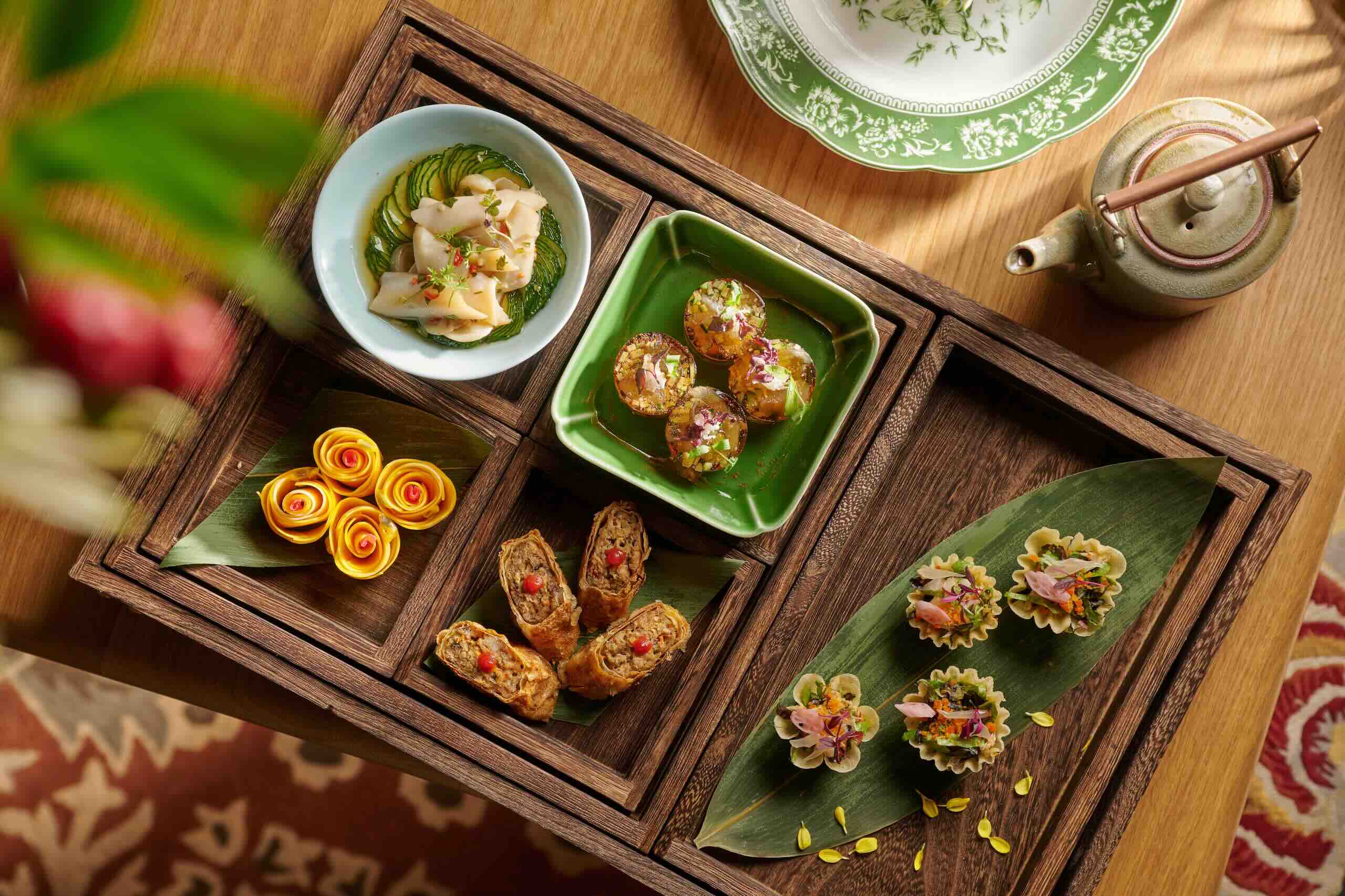
Chinese regional cooking styles are as manifold as they are complicated and distinct. When approaching this gastronomic beast, one must first become familiar with the “Big Eight”—Sichuan, Hunan, Cantonese, Fujian, Jiangsu, Zhejiang, Anhui, and Shandong—commonly known as the major Chinese regional cuisines. Even among the “Big Eight,” some cuisines are better known, and better represented, than others. Fujian cuisine, in particular, is experiencing a moment in the limelight: In December 2024, the first Michelin Guide dedicated to the Fujian province was unveiled, adding new dimensions to modern Chinese fine dining. Ming Pavilion at Island Shangri-La, Hong Kong is part of this movement, and the restaurant has staunchly continued its mission of shedding light on the refined aromas and traditions of Fujian cuisine.
All of this in no small part thanks to the guidance of head chef Jack Lam, whose deep understanding of the delicate flavours and refined traditions of Fujian cuisine drives the concept forward, carving out a rightful place for this intricate cooking style in today’s dining landscape, often dominated by more popular regional fare. Ming Pavilion marries culinary heritage with modern sophistication, preserving time-honoured techniques with contemporary nuance, inviting diners to discover the essence of Fujian’s seafood-focused treasures.
“Fujian cuisine, hailing from the coastal Fujian province, is defined by its emphasis on fresh seafood, such as fish, shrimp, and oysters, prepared with techniques like stir-fried or braising to preserve natural flavours and textures,” Lam explains. “Its distinctive sweet-sour flavour profile, often achieved with ingredients like red wine lees, sets it apart from other Chinese regional cuisines, reflecting the province’s maritime heritage and culinary finesse.”
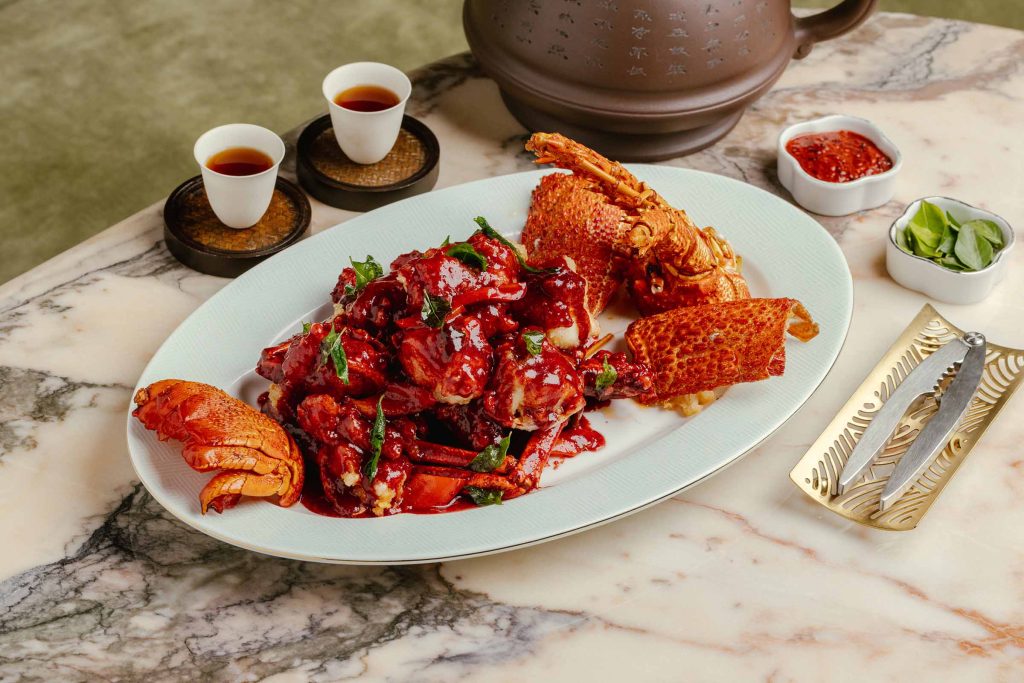
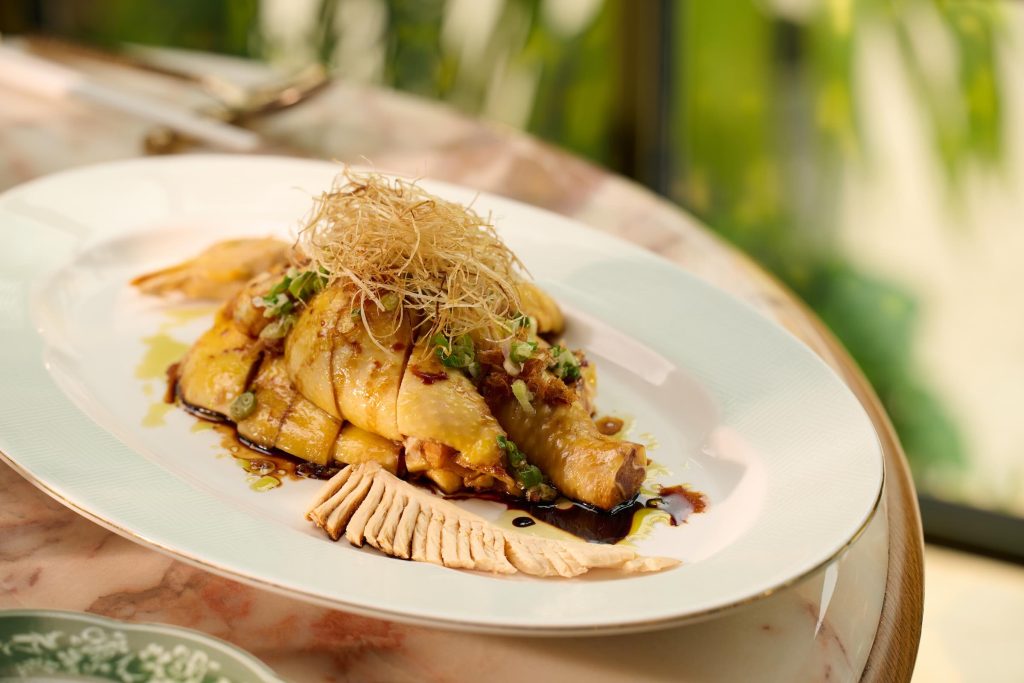
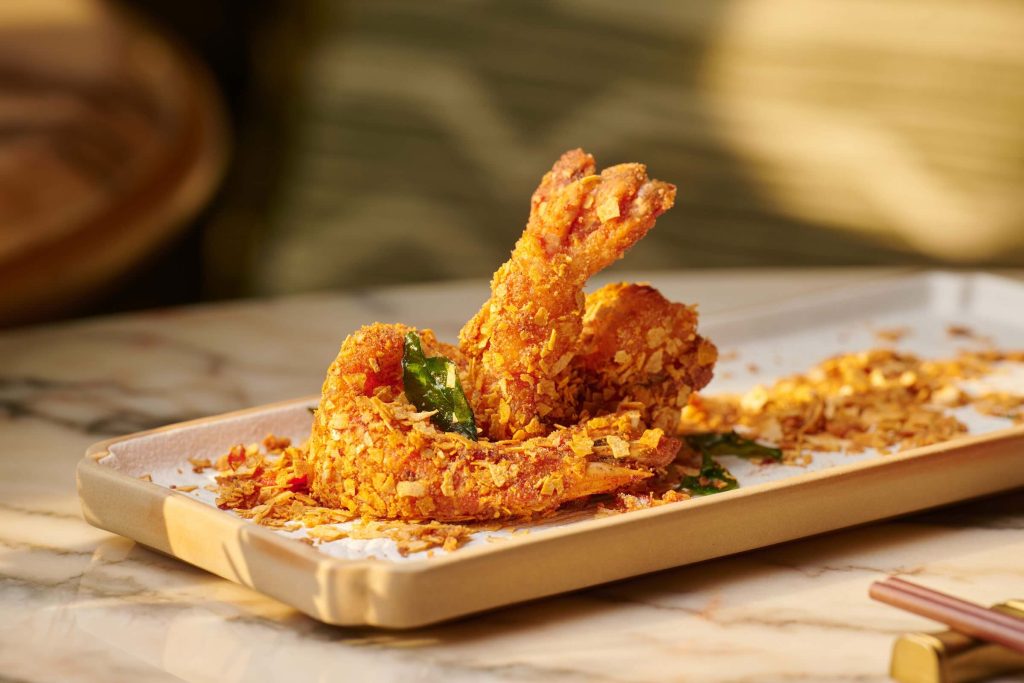
As traditional boundaries blur, Lam brings Fujian cuisine into the spotlight, focusing on the uncompromising aspect of freshness while enhancing visual appeal. Elevating rustic plates with vibrant garnishes and minimalist design, using elegant ceramics as the canvas on which to paint the best picture of the dish’ natural colours—Lam’s approach to adapting Fujian’s culinary art for a modern audience embraces contemporary presentation and ingredient innovation. Incorporating local produce such as three-yellow chicken and live sea whelk not only supports farmers in the area, but nurtures authenticity in flavour.
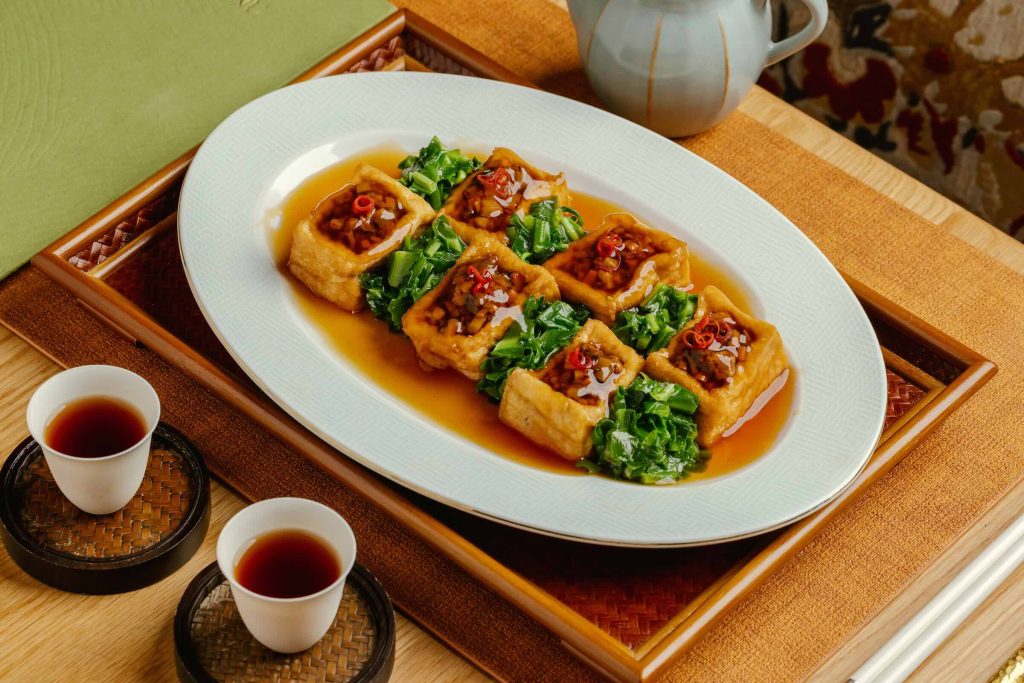
Ming Pavilion’s Fujian appetiser platter, comprising five bite-sized morsels—five-spice bean curd pork roll, drunken razor clam, Fujian-style “pie” with hot and sour mud crab meat, jellyfish terrine, and pickled pumpkin—is a concise introduction to this new chapter of Fujian cooking. Lam enriches the menu with dishes such as Wuyi Mountains smoked goose to infuse the dining experience with “bold, authentic Fujian character” and imports ingredients, such as those for the braised shan su vegetable in tofu box, directly from Fujian to ensure traditional flavours. “Freshness, locality, and authenticity” are the three key tenets of Lam’s sourcing ethos.
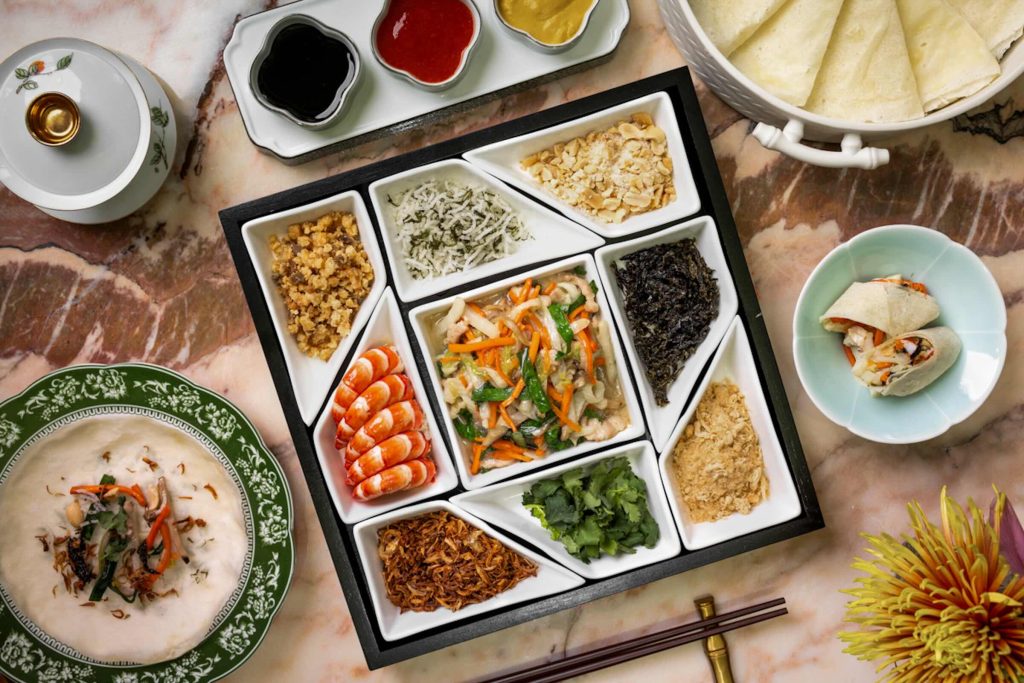
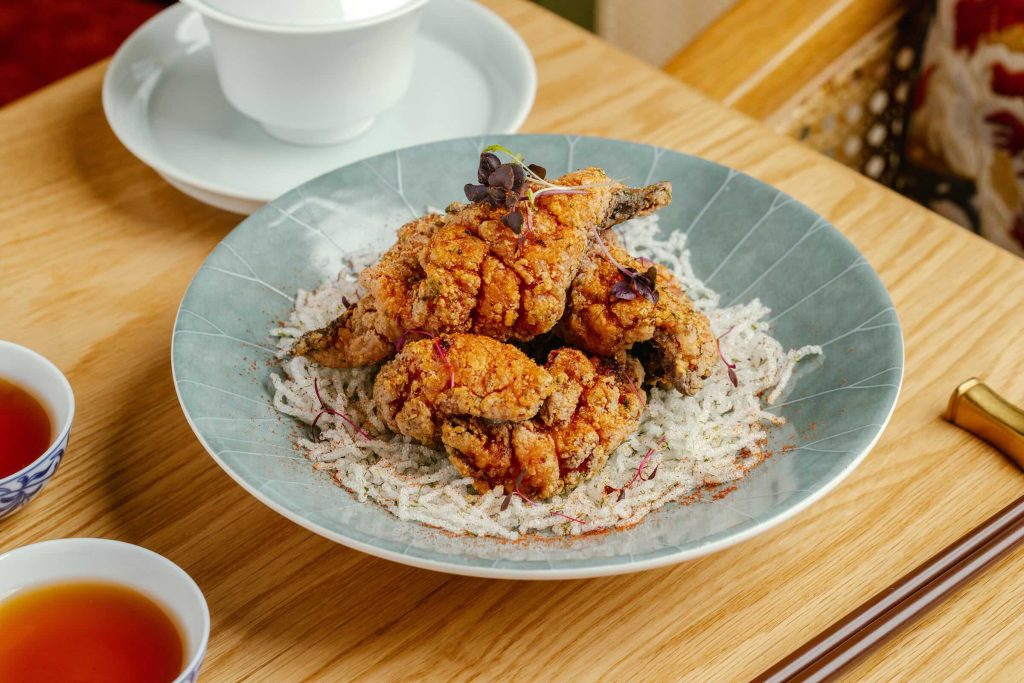
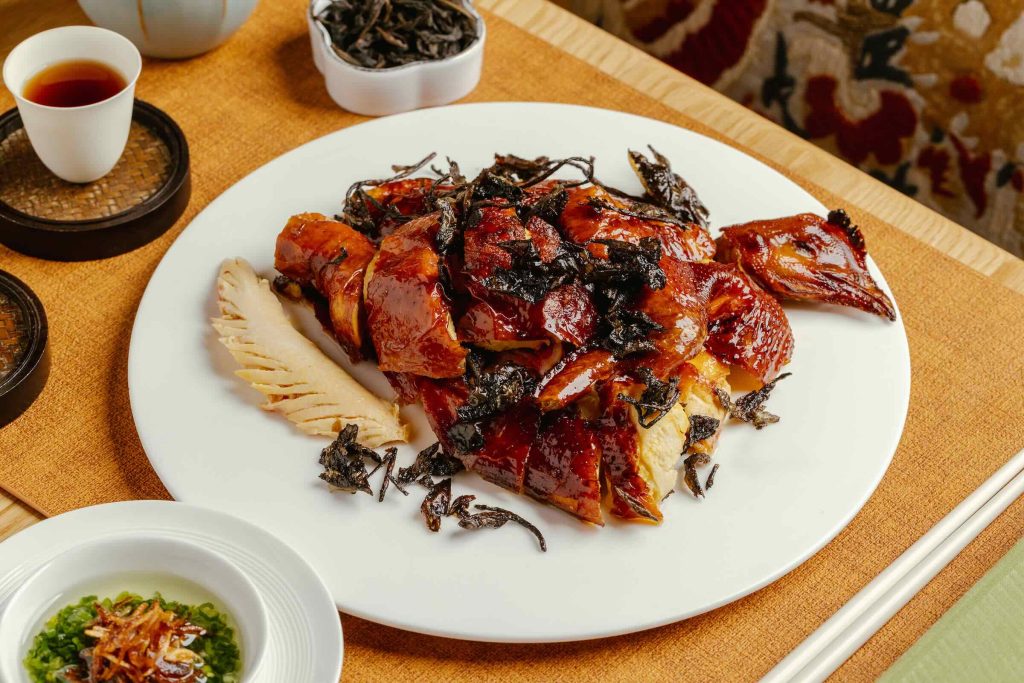
Popiah, the famed spring roll of Xiamen origin, is given the deconstructed treatment under Lam’s supervision; its assortment of ingredients, from cabbage and carrots to pork and shrimp, are laid bare on a puzzle-like tray of small plates, served with thin pancakes for self-assembly. Red wine lees are used liberally to elevate Australian lobster, live sea whelk, and cereal prawns, celebrating the local delicacies and fresh flavour traditions of Xiamen and Fuzhou. Xiamen-style ginger duck, tea-smoked crispy chicken, sweet-and-sour lychee pork, and braised pork hock with shiitake continue the rich narrative of soulful flavours, proving that Fujian’s mountain specialities are just as impactful as the ones derived from the ocean’s bounties.
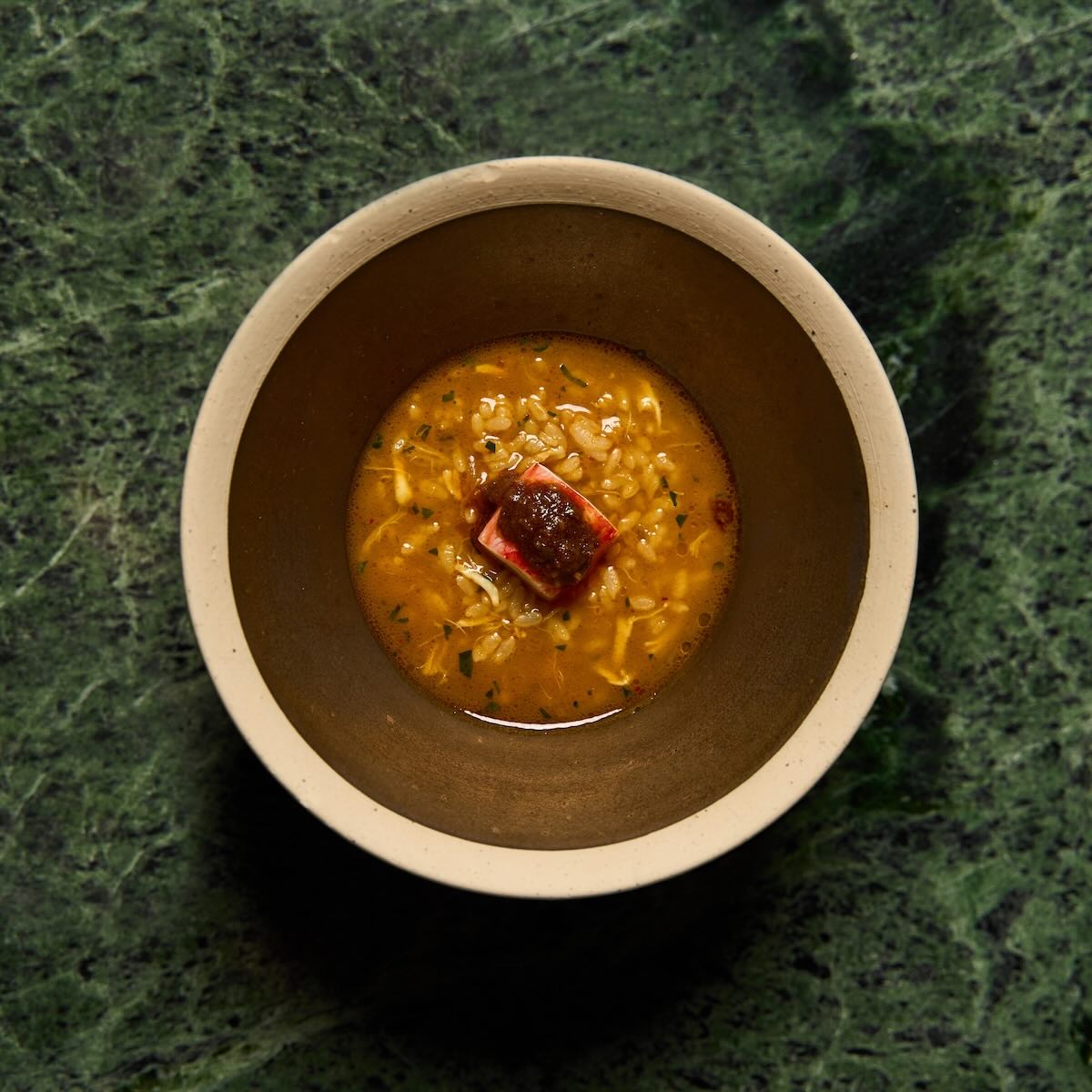
Among all of the creations on Ming Pavilion’s menu, Lam easily cites his favourite: the reimagined Buddha Jumps Over the Wall, a showcase that “captures the cuisine’s complexity,” he notes. Lam’s take on Fujian’s iconic soup demonstrates his skill; the labour-intensive dish, rich in umami, features an exquisite blend of abalone, sea cucumber, fish maw, and dried scallops simmered with chicken, pork ribs, and duck in a Shaoxing ceramic wine jar, resulting in a flavourful broth that lingers on the palate. (Delicious enough to convince a monk to break vows of vegetarianism, so the lore behind the name of this particular dish implies.) “I’m proud of it because it showcases Fujian’s mastery of balancing textures and flavours, creating a harmonious and unforgettable culinary experience,” the chef affirms.
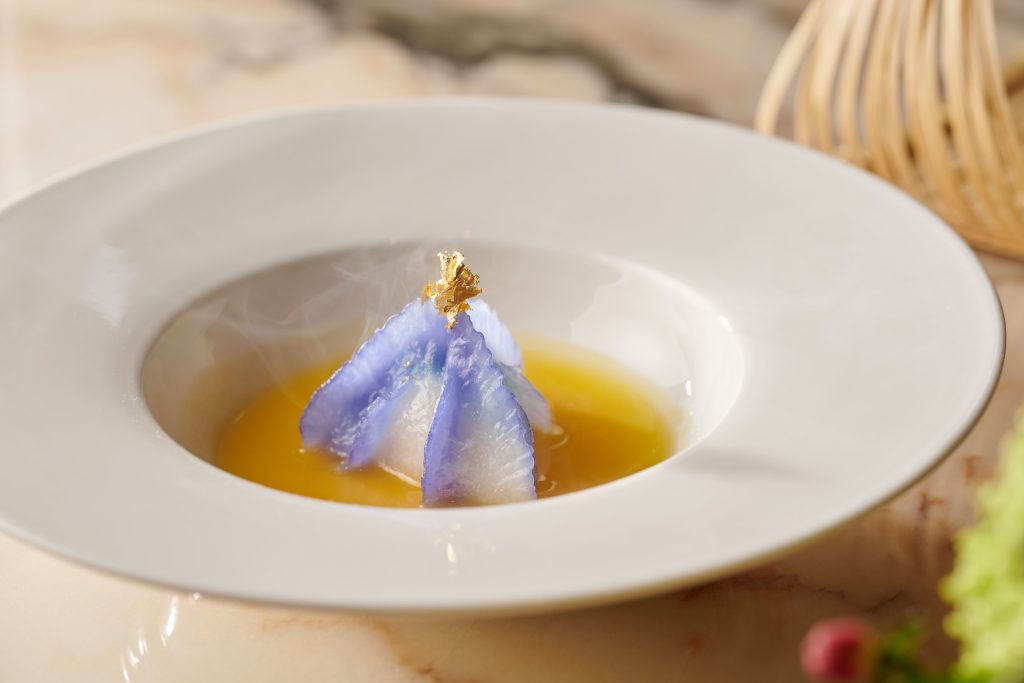
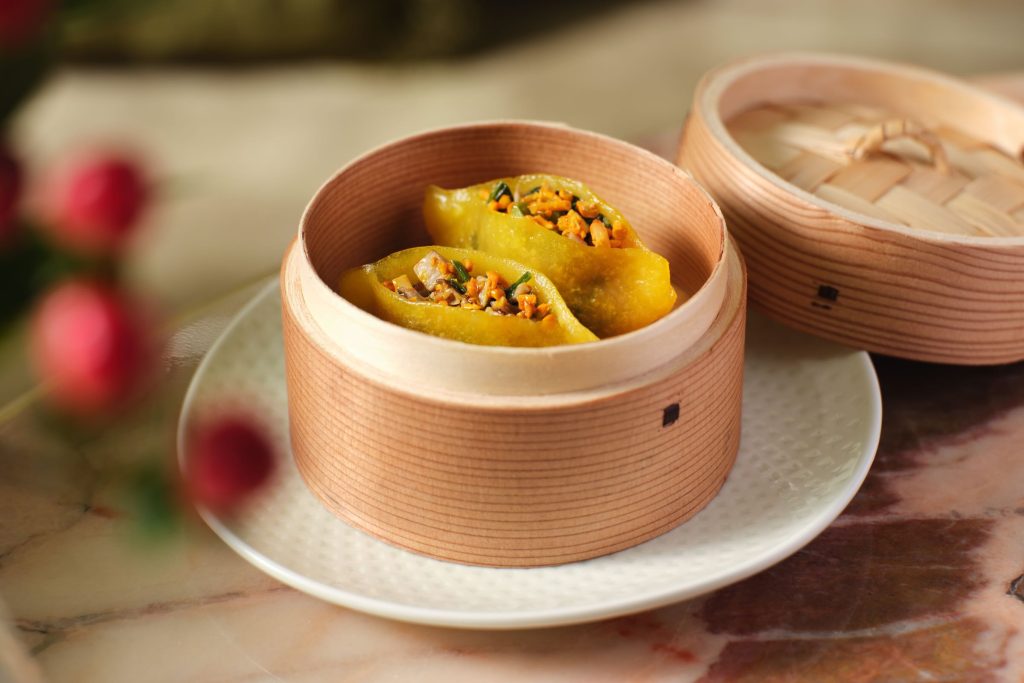
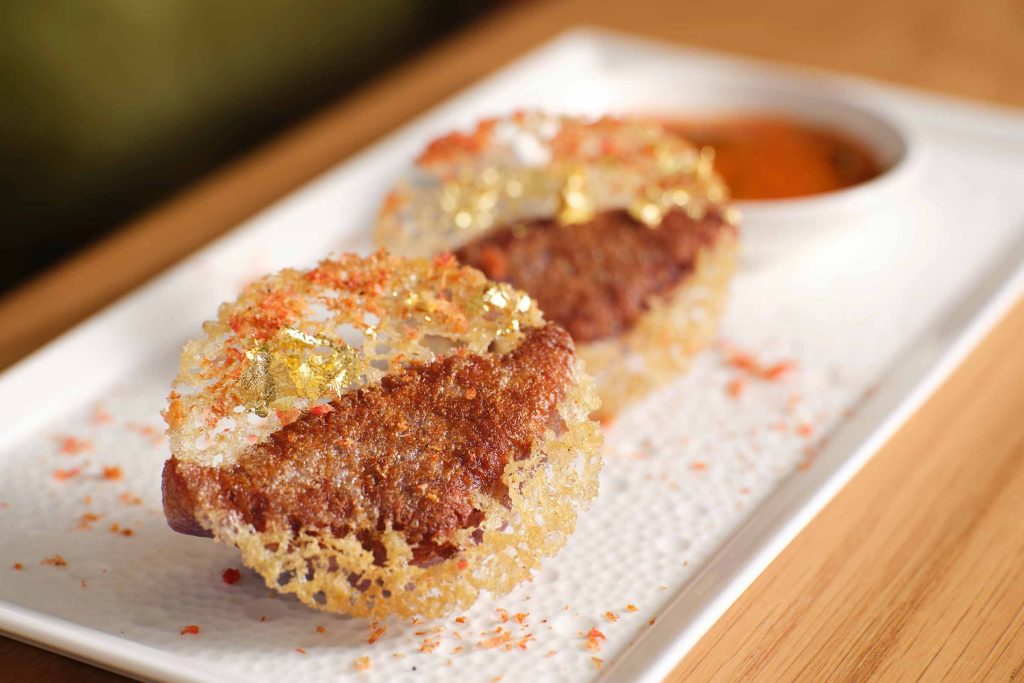
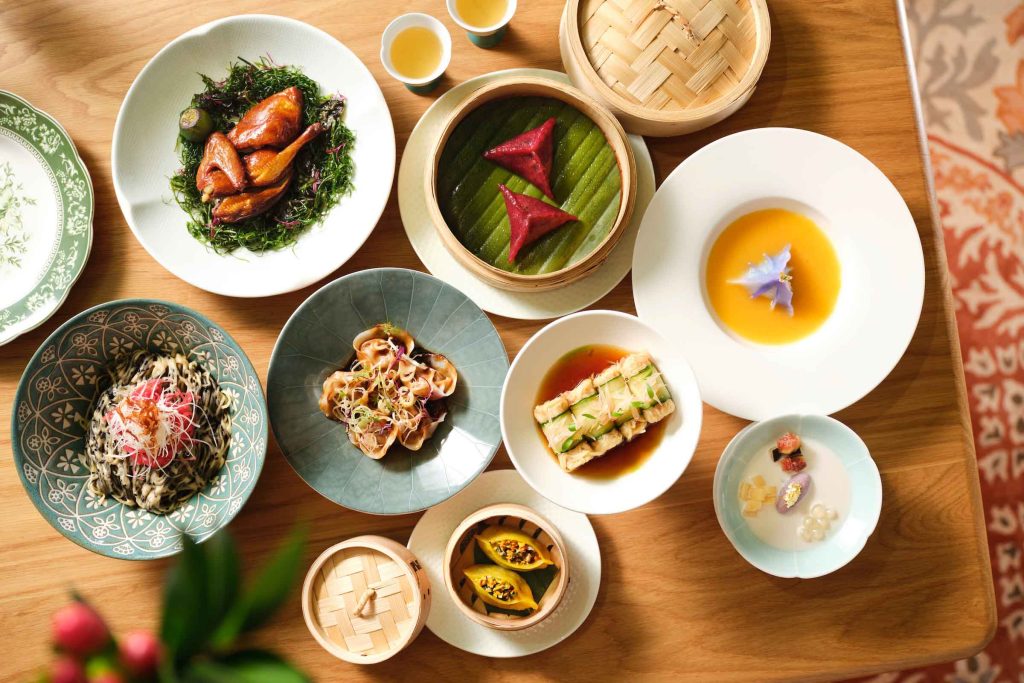
Lam also leads Ming Pavilion’s distinct take on dim sum, following the Fujian tradition, offering a departure from the bustle of Cantonese teahouses. Cantonese dim sum is vibrant and varied, Lam notes; the Sunday dim sum brunch emphasises “a more intimate, seafood-centric experience.” On the menu, steamed fresh prawn dumplings are perked up with a bright pickled spicy yellow capsicum sauce, pan-fried taro dumplings are carefully filled with minced pork and lobster, and oyster pancakes with seaweed and baby leek are delicately fried, opening a window into the Fujian’s nuanced gastronomic heritage. Dishes like Xiapu seaweed soup with pork dumpling and stir-fried sea whelk with shiso leaves balance richness and freshness.
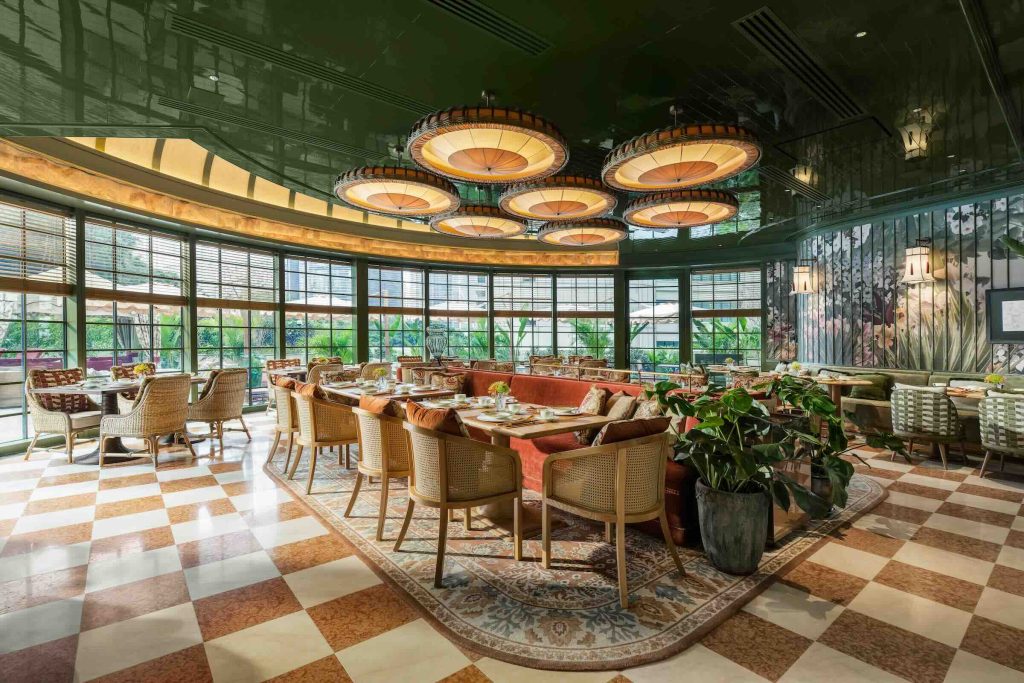
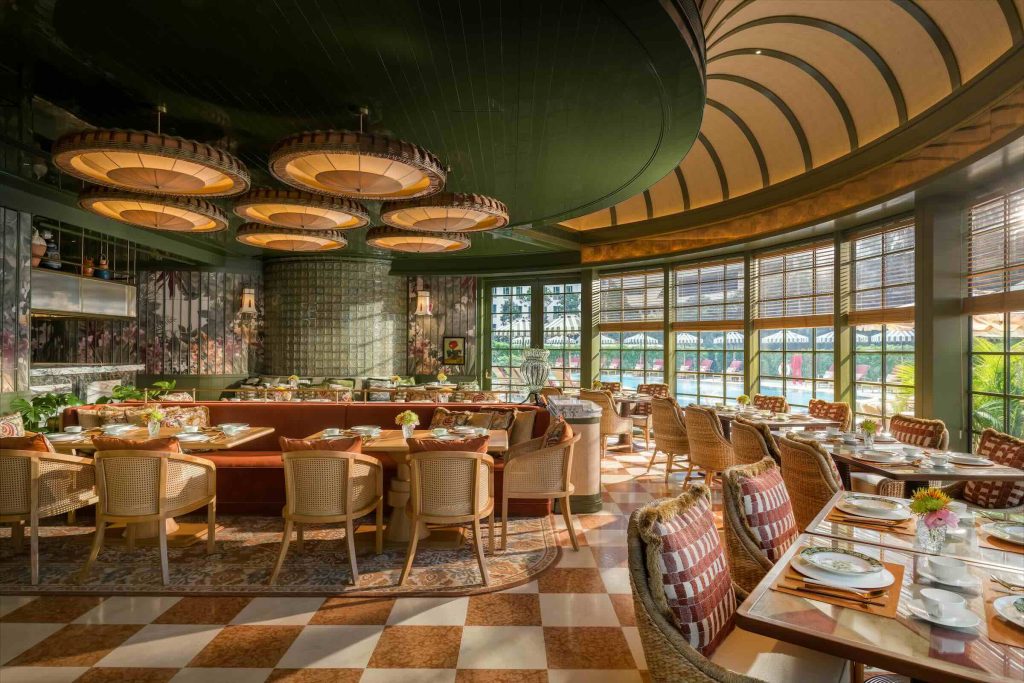
Fortifying Lam’s nouveau approach to Fujian cuisine, interior designer Lázaro Rosa-Violán deviates from the norm for Ming Pavilion’s appearance, eschewing chinoiserie and the archetypal mood board of auspicious red hues for tropical greenhouse vibes and a jungle-green colour palette. Decidedly Western in silhouette and material choices, subtle Chinese influences and nods to Hong Kong’s native flora are woven into the elegant space—note the bamboo-shaped ribbing between narrow panels of custom wallpaper, for one. Marble and tilework add visual rhythm and depth, blending modern touches with a narrative of heritage.
8/F, Island Shangri-La, Hong Kong, Pacific Place, Supreme Court Road, Admiralty, Hong Kong
Tel: (+852) 2820 8580
All images courtesy of Ming Pavilion.